








Introduction:Kenyan coffee is renowned for its vibrant berry acidity and clean taste, making it a favorite among many coffee enthusiasts. This article delves into the unique characteristics of Kenyan coffee-growing regions, its rigorous grading system, and the red volcanic soil and SL28/SL34 varieties that create its distinctive flavors. It also explains the classic K72 washed processing method in detail. Additionally, practical pour-over parameters and SOE espresso extraction tips are provided to help you brew premium Kenyan coffee with tomato and berry aromas at home.
Kenyan coffee wins the hearts of many coffee lovers with its intense berry acidity and clean, bright layers. This article will start with the historical background of Kenyan coffee, the distribution of its main producing regions, and its strict grading system, then further explore the origins of its iconic acidity — including mineral-rich red volcanic soils, the classic SL28 and SL34 varieties, and the distinctive K72 washed processing method. The latter half of the article will also offer practical pour-over suggestions, including filter choice, water temperature control, grind size, and precise three-stage pouring techniques, and will extend to how to make SOE espresso with Kenyan beans to further craft standout SOE Americanos or lattes.

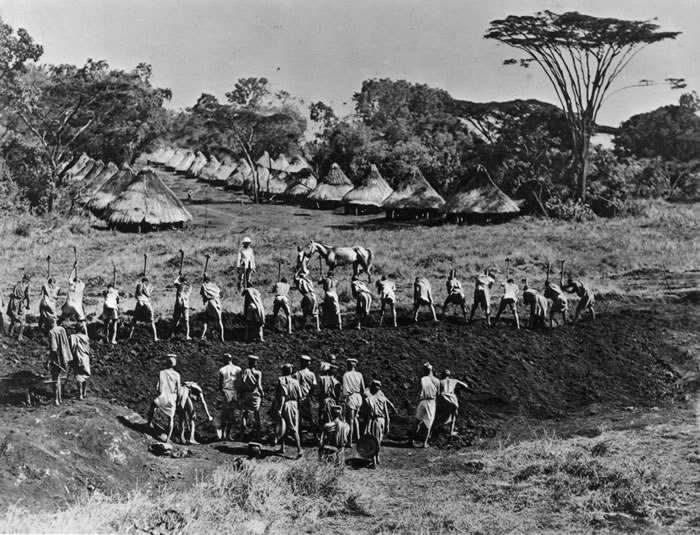
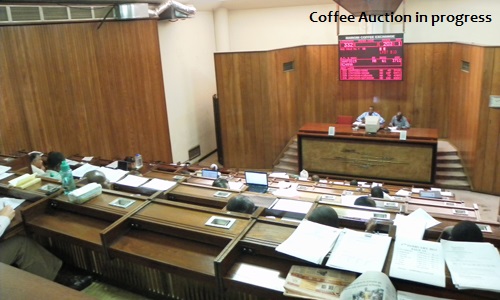
Although Kenya neighbors Ethiopia, the birthplace of coffee, its coffee cultivation history is relatively short. It is widely believed that coffee was introduced by French or British missionaries in the late 19th century, with one account suggesting it was brought by French Holy Ghost Fathers from Réunion Island (also known as Bourbon Island) in 1893, and another claiming it came from Ethiopia. However, it is certain that Kenya became a British colony in 1895, and the British led local agricultural development, including coffee cultivation. In 1933, the Kenya Coffee Board was established, and in 1934, the auction system still in use today was initiated. It wasn’t until the 1960s that Kenya gradually regained control over coffee cultivation and processing. Although Kenyan coffee production once peaked at 130,000 tons annually in the 1980s, recent output has declined to around 40,000 tons, and the local government is actively promoting revitalization plans.
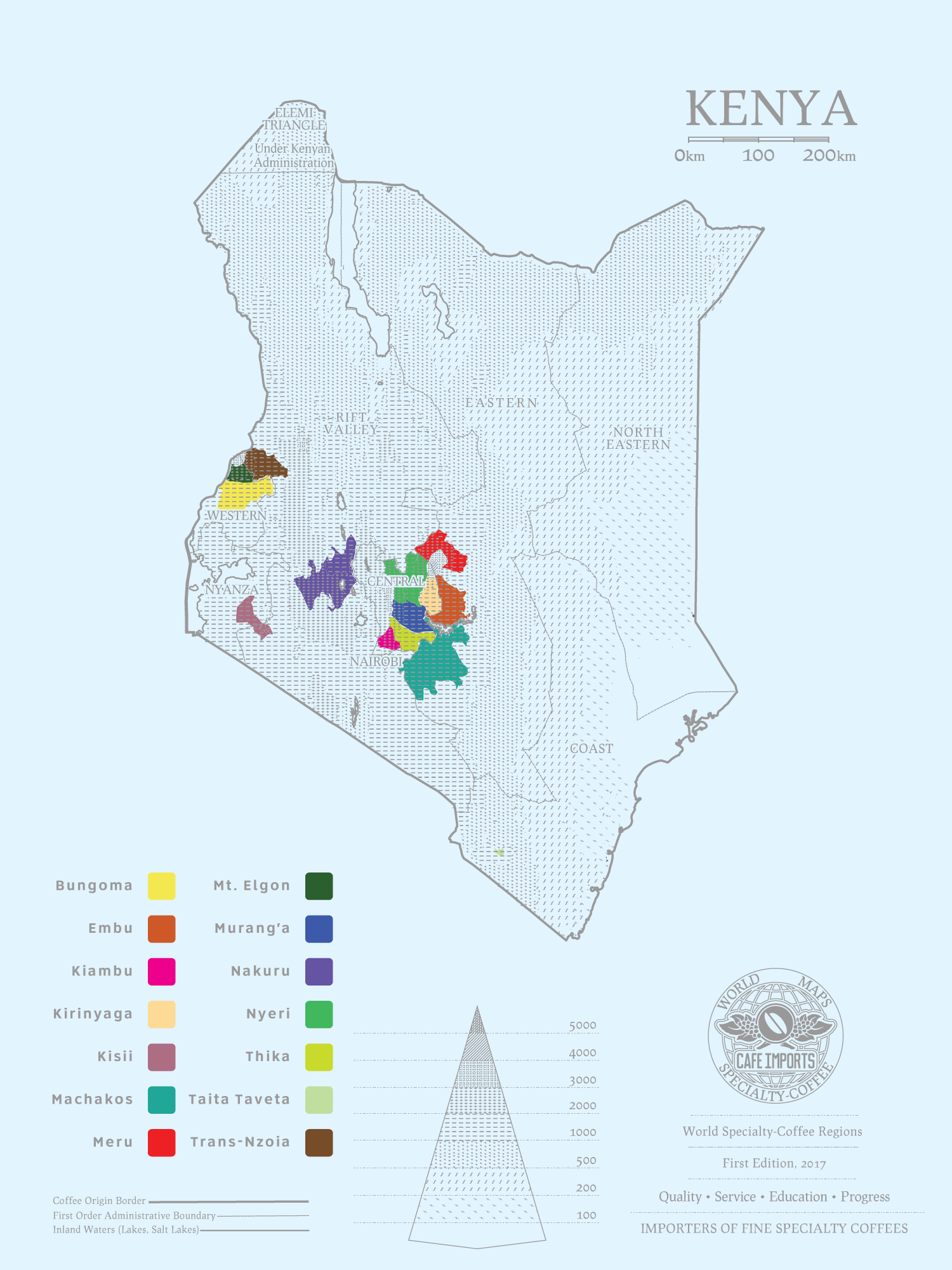
High-quality Kenyan coffee mainly comes from the central region, particularly from 14 well-known growing areas such as Kiambu, Muranga, Nyeri, Kirinyaga, Embu, Machakos, Kisii, and Elgon. For example, coffee from the Nyeri region often features bright blackberry notes along with citrus and floral tones, coupled with a rich body; Kirinyaga showcases delicate fruit acidity and moderate sweetness; while Kiambu and Muranga are known for their full body and bright acidity.
When purchasing Kenyan coffee, the common 'AA' grade label often piques curiosity about the grading logic behind it. In fact, Kenyan coffee is divided into eight grades based on bean size: E, PB, AA, AB, C, TT, T, MH/ML. Among them,AA is the most common high-grade level, with bean sizes of 17/18 mesh, considered large beans;PB stands for peaberry, containing only a single round seed, usually with more concentrated flavors; E grade refers to elephant beans, which are the largest in size but rare in production; AB grade is slightly smaller, with a size of 16/17 mesh; Grades C and below gradually decrease in size and quality, with T and MH/ML mostly being lower-quality natural processed beans. It’s important to note,coffee bean grades are determined before roasting based on green bean size, and cannot be upgraded through screening after roasting.
The reason Kenyan coffee possesses such bright and clean acidity is inseparable from its growing environment, varieties, and processing methods. Most Kenyan coffee-growing areas are located at high altitudes, with soils being red volcanic earth rich in phosphates, providing unique mineral nutrients for the coffee. In addition, the main varieties grown locally, SL28 and SL34, are mutations of the Bourbon variety. These two varieties naturally possess prominent berry and citrus acidity, which are key to shaping the flavor profile of Kenyan coffee. Meanwhile, Kenya’s uniqueK72 washed processing methodis also a crucial factor in delivering the coffee’s clarity and layered flavors.
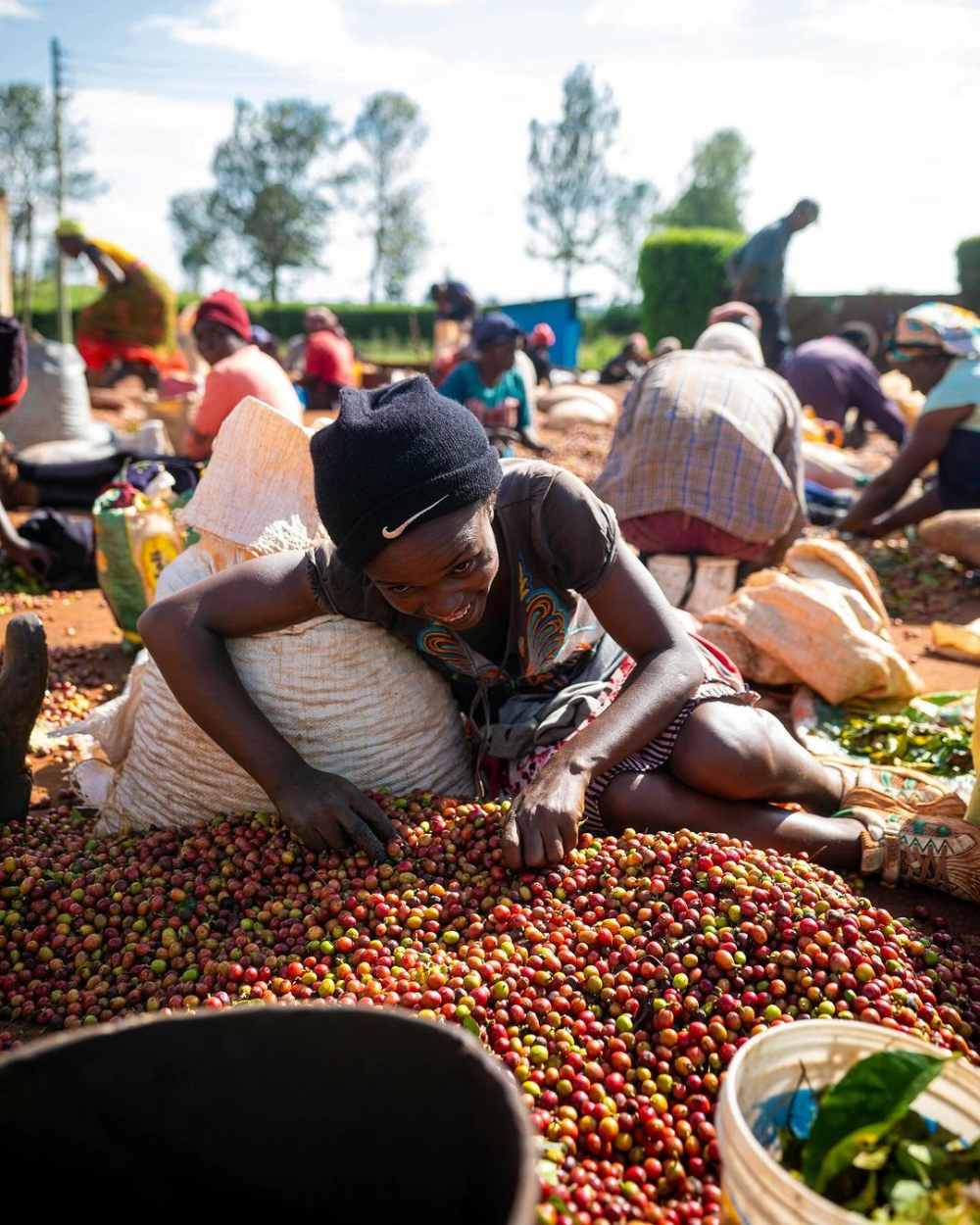
The K72 washed process consists of multiple stages: first, the coffee cherries are depulped, and the mucilage-covered parchment beans undergo the first stage of dry fermentation, during which water is added and drained every 6–8 hours for approximately 24 hours; then comes the second stage, where the fermentation tank is not filled with water. After fermenting for 12–24 hours, most of the mucilage is removed through manual stirring and washing; this is followed by a second fermentation with more water added, soaking for 12–24 hours to fully break down residual sugars and mucilage. Finally, the beans are moved to drying beds. This complex process results in the clean and bright flavors characteristic of Kenyan coffee.
When actually brewing Kenyan coffee using pour-over, it is recommended to use a medium-fine grind, such as EK43s #10 (approximately 80% passing rate of a Chinese No. 20 sieve), with water temperature controlled between 90–93°C. Using 15 grams of coffee powder as an example, a 1:15 coffee-to-water ratio is advised, with a total water volume of about 225 grams. A three-stage pouring method is recommended: start with 30 grams of water for a 30-second bloom, then pour in a circular motion up to 125 grams, wait for the water level to drop slightly, and continue pouring up to 225 grams, with a total extraction time of about 2 minutes. These parameters can fully highlight the berry, citrus, and delicate sweetness of Kenyan coffee.
In addition to pour-over, Kenyan coffee is also highly suitable as the base for SOE (Single Origin Espresso). If you want to try SOE extraction at home, it is recommended to use a double-shot basket with about 20 grams of coffee powder, set the extraction ratio to 1:2 (i.e., extracting 40 grams of coffee liquid), and control the extraction time between 28–30 seconds to achieve a balanced and rich espresso. Using freshly roasted coffee beans (ideally within 5 days) is especially important to ensure full flavor release.
The resulting Kenyan SOE espresso boasts distinct berry, tomato, and cookie aromas, with beautiful golden crema. For a refreshing taste, you can mix it with hot water at a 1:4 ratio to make an SOE Americano; if you prefer a milk-forward drink, add fresh milk at a 1:6 ratio to create a Kenyan SOE latte with a balanced sweet and sour profile.
The above content is compiled by CoffeeHunters, a coffee news website.


