







Introduction:Indonesian coffee is renowned for Sumatra’s Mandheling, but its diverse growing regions and unique processing methods are even more worthy of in-depth exploration. This article will take you through the characteristics of key regions such as Sumatra, Java, and Sulawesi, analyze how the wet-hulling process shapes its bold flavors, and introduce the traits of common varieties like S795 and Tim Tim. From altitude and processing to roasting recommendations, it helps you master the essential knowledge for selecting and brewing Indonesian beans.
When it comes to Indonesian coffee, many people first think of Sumatra’s “Mandheling.” However, the charm of Indonesian coffee goes far beyond that. From the highland lakes of Sumatra to the volcanic soils of Java, each region, with its unique geographical environment and traditional processing techniques, produces coffee beans with vastly different flavors. Among them, the wet-hulling process is an iconic feature of Indonesian coffee, giving it intense herbal and spicy notes.
Indonesia’s major coffee-growing regions are concentrated on the islands of Sumatra, Java, and Sulawesi. Sumatra’s “Mandheling” is the most well-known, particularly the Typica variants grown in the highland areas around Lake Toba, represented by the two major regions of Lintong and Lake Tawar.Lake Toba is located north of Medan, at an average altitude of about 1100–1600 meters, and is the world’s largest volcanic lake. Its high-altitude surroundings provide ideal growing conditions for coffee. Lintong, the most famous producing area in the Lake Toba region, often produces coffee with rich, full-bodied nutty and chocolatey flavors.
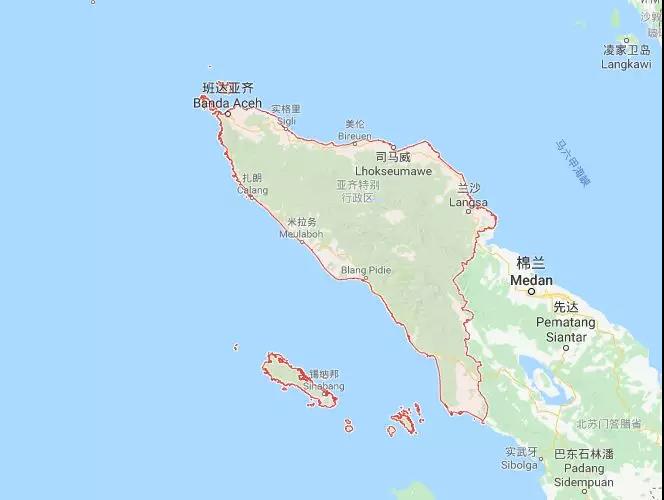
Northern Sumatra’s Aceh Province is known for the Gayo Mountain region. This area sits at an altitude of 1110 to 1600 meters, and its coffee is mostly grown by smallholders under shade trees using the wet hulling method.Gayo coffee, which strictly avoids chemical fertilizers and practices organic farming, is regarded as a representative of green coffee. Its flavor profile is deep and vibrant, with unique earthy and herbal notes. Notably, the Aceh region, due to historical factors, has received less tourist attention, thus preserving a more authentic coffee culture.
Indonesia’s unique “wet-hulling process” (Giling Basah) is key to shaping the Mandheling flavor. This method differs from the common washed process:The first stage involves removing the fruit skin and pulp and fermenting for three hours. Once the moisture content drops to 30–50%, part of the parchment layer is removed; the second stage continues drying until the moisture level reaches 12–13%.Because the outer protective layer is removed early, the coffee beans are more prone to absorbing moisture and microbes from the environment during drying, resulting in distinctive woody, spicy, and herbal characteristics. This process gives Indonesian coffee a bold personality, making it especially suitable for drinkers who prefer intense flavors.
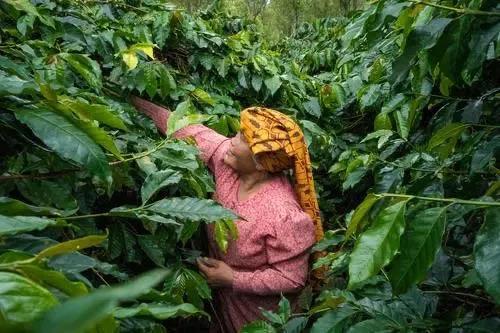
In addition to regions and processing, Indonesia also cultivates various coffee varieties adapted to the local environment. For example,S795 is a hybrid variety introduced from India in the 1970s, combining genes from Kent and Liberica, offering sweet notes reminiscent of maple syrup and brown sugar. It is commonly found in Bali and Toraja. Tim Tim is a natural hybrid of Arabica and Robusta, originating from East Timor. It is highly disease-resistant and has a full-bodied flavor, though cupping often reveals Robusta-like characteristics. USDA 762 is a variety introduced from Ethiopia in the 1950s, originally favored for its resistance to leaf rust, but today it is mostly grown in limited quantities at high altitudes.
Others, such as Kartika (a dwarf Catimor) and Andungsari, are locally improved varieties in Indonesia.Kartika has high yield potential but is susceptible to disease, while Andungsari performs best at altitudes above 1250 meters, offering excellent cup quality and a high yield of up to 2.5 tons per hectare. The breeding of these varieties reflects Indonesian farmers’ emphasis on environmental adaptability and adds diversity to the global coffee gene pool.
For coffee enthusiasts, when selecting Indonesian beans, pay attention to the processing method and regional information.Mandheling processed via wet hulling is recommended to be roasted to a medium-dark level (such as Lintong everyday beans or PWN Golden Mandheling),which can highlight its rich foundational flavors while enhancing aromatic layers through moderate caramelization. Whether using pour over, French press, or espresso machines, the key lies in controlling water temperature and grind size to balance its bold character with its complex aroma profile.
The above content is compiled by CoffeeHunters, a coffee news website.


