







Introduction:To savor bright acidity and floral-fruity aromas in pour over coffee, roast level and bean variety are key. This article delves into how light to medium roasts influence acidity structure and aroma expression, and features 5 representative pour over beans—from Ethiopian washed to Colombian specialty processes—to help you understand each bean’s unique flavor profile, including citrus, berries, honey pomelo, etc., guiding you to find your ideal match based on taste preference.
The subtle differences in coffee roast levels often determine the final flavor direction. Just a few minutes of difference in roast time or around 10°C in temperature adjustment can result in vastly different flavor profiles from the same coffee bean. At the light roast stage, organic acids in the beans are preserved more intact, allowing the cup to showcase livelier acidity, clearer layers, and richer aromatic expression. Medium roast, on the other hand, achieves a balance between acidity and sweetness through more complete caramelization reactions, offering an overall rounder flavor while retaining a certain degree of aromatic complexity.
If you particularly love floral and fruity aromas—such as citrus, berries, honey, or floral notes—we recommend prioritizinglight to medium roastedpour over beans. Matching them with corresponding flavor descriptions will help you select the coffee that meets your expectations more accurately. Below, we explore the unique processing methods and regional flavor characteristics through five representative pour over beans.
From light roast to medium roast, although it's just a short difference in roast time, its impact on shaping coffee flavors is significant. Light roast is usually achieved during the "middle to end of first crack," when the organic acids inside the beans haven't been extensively broken down, so after brewing, you can clearly perceive bright acidity—like citrus or lemon notes—with relatively low bitterness, and the aroma exhibits complex floral, fruity, and even herbal notes. In contrast, medium roast is completed during the "end of first crack to just before second crack" phase, where caramelization reactions are more thorough. Although acidity takes a backseat, sweetness becomes more prominent, delivering a rounder mouthfeel and deeper layers of aroma.
Based on the above characteristics, if you want to experience the floral and fruity notes in coffee, prioritizelight to medium roast, and further choose varieties that suit your taste based on the aroma characteristics in the flavor wheel or product description. This approach will lead to a more satisfying tasting experience.

When selecting coffees with floral and fruity flavors, besides paying attention to roast level, choosing reputable roasters and clear origin information is also crucial. Below are five pour over coffee beans with distinct flavor characteristics, showcasing various combinations of fruit acidity and aroma, helping you make more precise choices based on personal preference.
1. Bright Citrus Acidity + White Floral Notes —— Guodingding
Originating from Ethiopia, Guodingding Cooperative is produced by a collaboration of over 300 smallholder farmers and is known for its washed process, hailed as “the last pure land of Yirgacheffe.” This bean continues traditional washed techniques—not only avoiding heavy bitterness—but also delivering refreshing citrus and lemon acidity paired with delicate jasmine floral notes. It’s perfect for coffee lovers who enjoy fresh fruit tones. Its brewed profile is especially bright, making it a top choice for many pour over beginners or those who favor white floral aromas.
2. Rich Berry Aroma + Cherry Tomato Acidity —— Kenyan Little Tomatoes
Using two classic varieties, SL28 and SL34, both have undergone multiple screenings and cultivation, carrying strong native Bourbon genetics and rich acidity. Paired with the local K72 washed process, the acidity is both bold and layered. The most standout feature of this Kenyan bean is its pronounced berry and cherry tomato flavors, making it especially suitable for iced pour over or cold brew, with a vivid sweet-tart contrast—a classic choice for acid lovers.
3. Raisin + Fruit Gummy —— Strawberry Candy
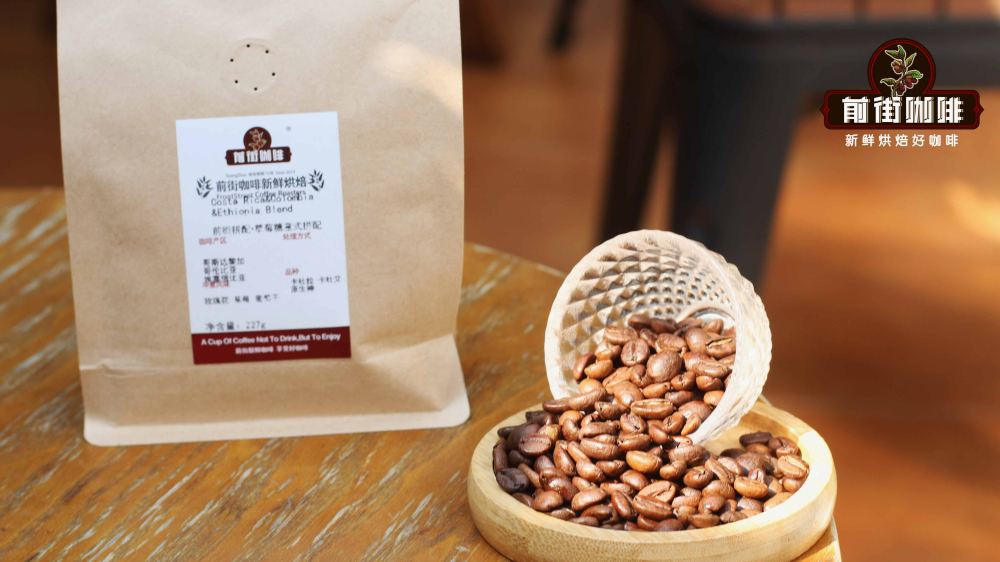
This bean blends Costa Rica’s honey process with Panama Geisha’s washed technique, sourced from two renowned producing regions in Central and South America. To fully showcase its sweetness and fruit aroma potential, amedium roastis used, resulting in a brew with soft orange and honey notes, along with a round sweetness. It’s suitable for various extraction methods such as cold brew, pour over, or espresso—offering a smooth mouthfeel with clear layers.
4. Passionfruit Acidity + Blueberry Sweetness —— Colombia Big Belly Button
From the Boundary Line Estate in Huila, Colombia, this bean uses a “double anaerobic natural” process, allowing the aromatic compounds in the fruit pulp to be fully released. When brewed, it often presents intense tropical fruit flavors like passionfruit, grape, and blueberry, especially appealing to those who love juicy, bold-flavored coffees. This bean has gained attention in international competitions and is one of the classic representatives of fruity pour over coffees.
5. Citrus Acidity + Honey Pomelo Tea —— Flower Butterfly
Composed of three varieties—Geisha, Caturra, and Catuai—from Panama’s Boquete region, with Geisha making up 70% of the blend, it establishes a clear citrus and pomelo character. Through refined washed processing, it offers a clean tea-like feel and delicate floral notes. Upon tasting, it resembles a citrus-infused pomelo tea—refreshing yet profound—making it an excellent choice for those who enjoy a balance of citrus tones and tea-like mouthfeel.

The above content is compiled by CoffeeHunters, a coffee news website.


