







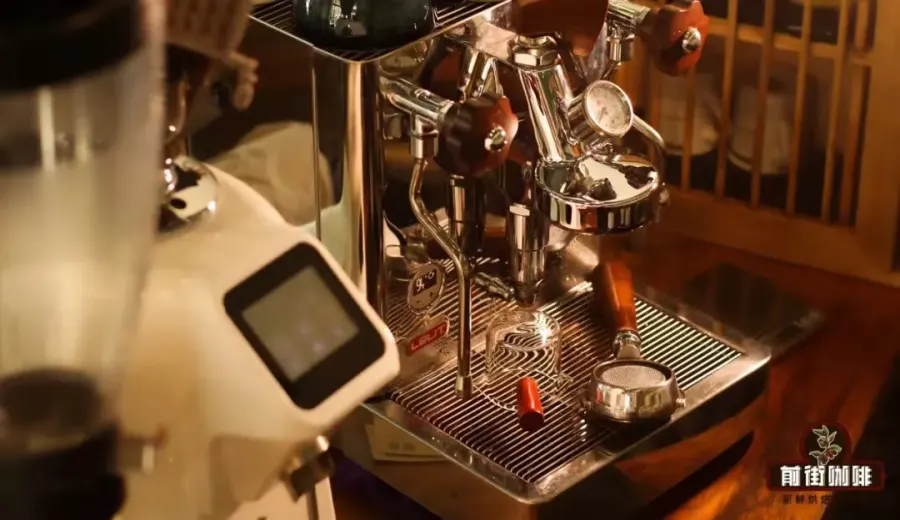
Introduction:Want to replicate that rich and smooth espresso from your favorite café at home? The key lies in mastering the correct extraction process and fine-tuning the details. This article will delve into the extraction principles of espresso, optimal parameter ranges, grind size and time control techniques, along with step-by-step visual instructions to help you consistently brew a professional-grade shot with a thick crema and balanced flavors.
Espresso is beloved by coffee enthusiasts worldwide for its intense and bold flavor profile. However, many who try brewing it at home often encounter issues such as uneven extraction, poor flavor, or even burnt and bitter notes. In reality, a standard espresso is not simply made by pouring hot water over coffee grounds and boiling it. Instead, it requires a professional espresso machine to force nearly 94°C hot water through an extremely fine grind of coffee under high temperature and high pressure — around 9–10 bar — to extract that honey-like, thick-bodied coffee liquid.
During the extraction process, the initial coffee that flows out is dark reddish-brown in color, dense and smooth in texture. As time progresses, the liquid gradually turns golden and may eventually appear light golden yellow — this is also one of the visual indicators used to judge whether the extraction is complete.
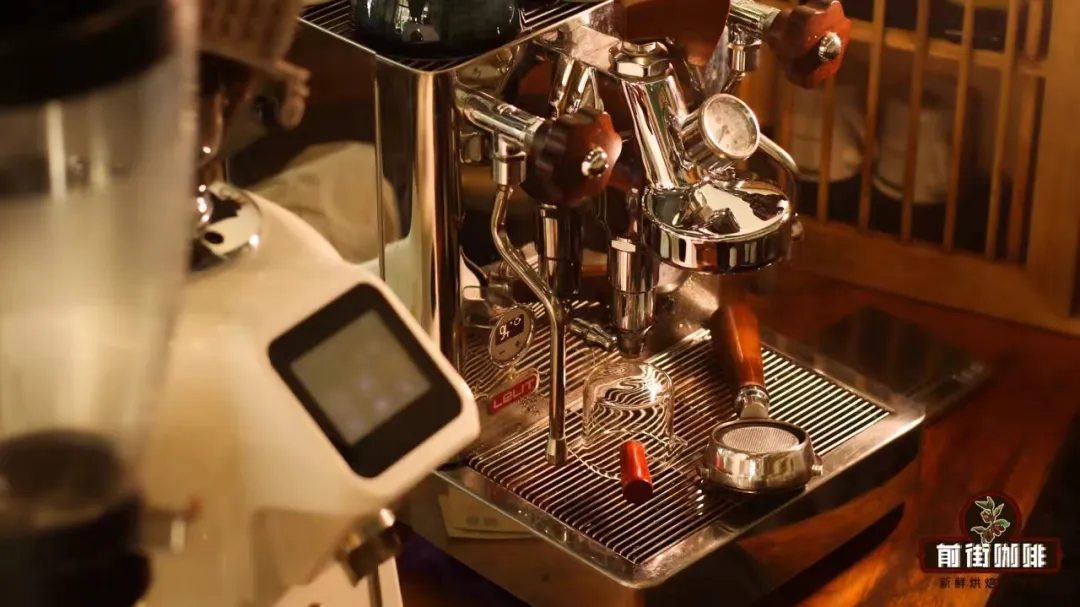
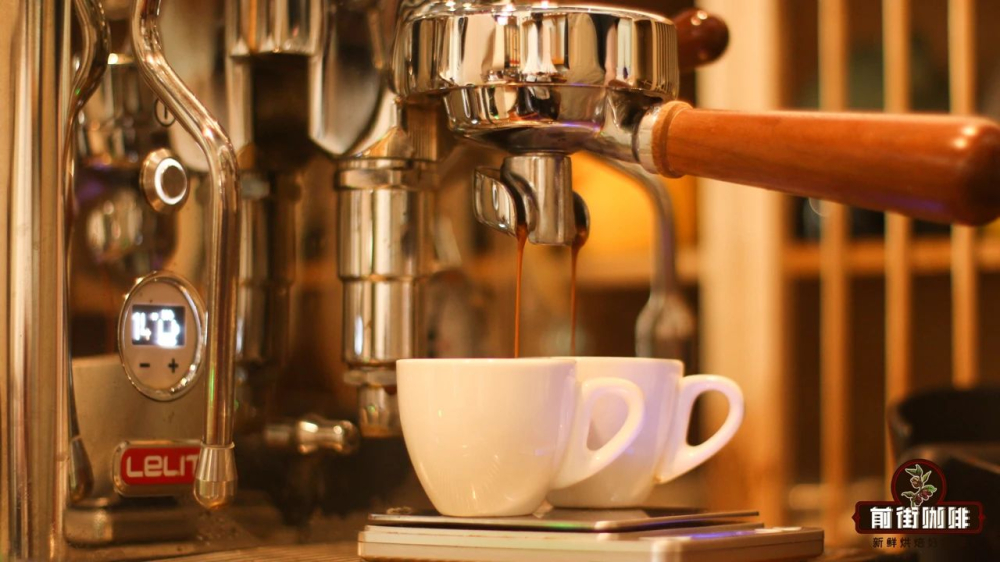
To determine whether an espresso has been extracted properly, evaluation is mainly based on flow rate and flavor. Generally speaking, an ideal extraction time is between 25–30 seconds. When using a double-shot portafilter, it is recommended to use 20 grams of coffee grounds with a 1:2 coffee-to-water ratio (i.e., extracting 40 grams of espresso), under 9 bar pressure and approximately 94°C water temperature. If using a single-shot portafilter, you can use 10 grams of coffee grounds and follow the same 1:2 ratio to extract 20 grams of espresso. However, please note that the performance of each espresso machine and grinder may vary slightly — the above are just reference starting points, and final adjustments should be made based on the actual flavor of the brewed espresso.
If you find that the extraction is too fast, the flow of coffee is overly smooth, or the flavor is weak and lacks complexity, consider grinding the coffee finer or slightly increasing the amount of coffee used. Conversely, if the extraction takes too long, the flow is slow, or the coffee tastes burnt, over-extracted, or overly bitter, it is advisable to adjust the grind to be slightly coarser or reduce the amount of coffee used until you find the optimal balance for your specific setup.
As for which type of coffee beans to use for making espresso, beginners are advised to start with blends specifically designed for espresso. Espresso blends are typically composed of beans from different origins mixed in specific proportions. Not only do they offer stable flavors, but they also tend to provide better value. Moreover, blending multiple types of beans can effectively reduce potential defects or off-flavors that might arise from single-origin beans under high-intensity extraction.
If you prefer an espresso with rich layers of flavor, bright fruity and floral notes, you might opt for a blend that combines beans from Costa Rica, Colombia, and Ethiopia. Such blends often exhibit aromas of rose, citrus, grapes, and dried blueberries, and when paired with milk, can even present sweet tones reminiscent of strawberry taffy — making them perfect for beginners to explore. On the other hand, if you’re aiming for a richer, fuller-bodied taste with lower acidity and more intense aroma, you could choose a medium to dark roasted blend, such as one made with Colombian Huila and Brazilian Cerrado Arabica beans. These beans often exude strong roasted nut aromas, coupled with the deep richness of dark chocolate and caramel sweetness, along with a pronounced, lingering aftertaste.
Next, let’s take a look at the actual steps for brewing espresso. First, turn on the espresso machine and allow it to preheat to its stable working temperature. While it’s heating up, you can prepare freshly roasted coffee beans and grind them into an extremely fine powder using a professional grinder — the texture should be similar to that of fine sugar or flour. Depending on the capacity of your portafilter basket, add the appropriate amount of coffee grounds into the portafilter.
When filling the portafilter, it is recommended to use your finger or the flat side of a dosing spoon to evenly distribute the coffee grounds inside the basket, avoiding any areas that are too compact or have air pockets. Then, use the tamper that comes with your espresso machine (or a clean, flat tool) to apply firm, vertical pressure to compress the coffee grounds. Ensure that the coffee bed is tightly packed and the surface is level — this step is crucial for stabilizing the flow rate during extraction.
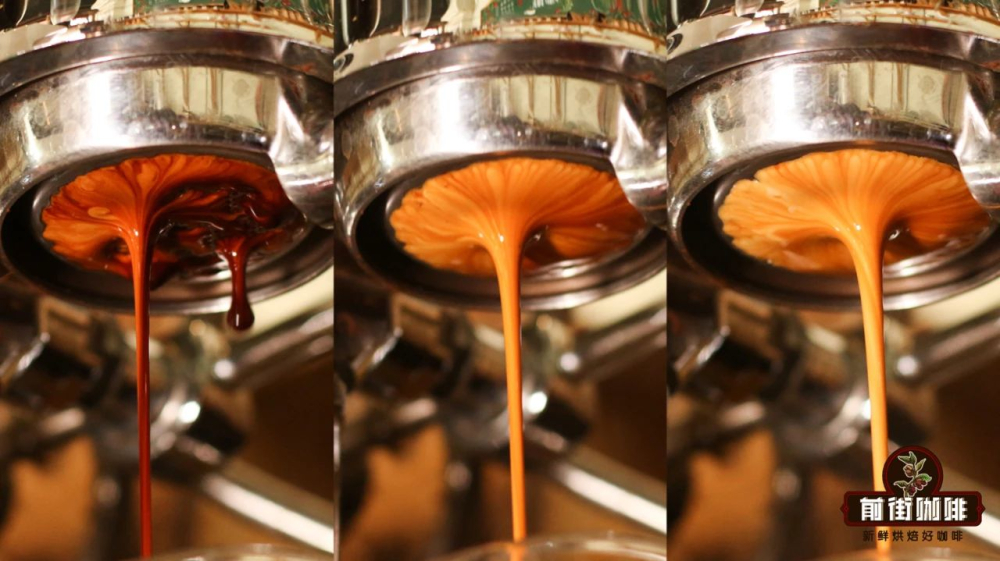
Finally, securely attach the tamp-packed portafilter to the espresso machine’s group head, making sure the connection is fully sealed. Start the extraction process and observe the color and flow rate of the coffee as it streams out. When the espresso exhibits the desired thickness and color, and the full extraction is completed within 25–30 seconds, it means you’ve successfully brewed a professional-quality shot of espresso. By mastering these basic principles and techniques, you can also enjoy a richly creased, well-balanced espresso at home with consistency.
The above content is compiled by CoffeeHunters, a coffee news website.


