







Introduction:Panama Geisha from Hacienda La Esmeralda’s Red Label is world-renowned for its delicate floral notes and bright fruity juiciness, making it a dream coffee for many enthusiasts. This article not only takes you through the legendary journey of Geisha from Ethiopia to Panama, but also delves into the definition and origin of the Red Label grade. We also provide two practical brewing methods — Hario V60 pour over and French press — with detailed key parameters such as water temperature, brew ratio, and grind size, helping you easily brew a top-tier Geisha with distinct layers and clean flavors at home.
Geisha coffee is beloved by coffee aficionados worldwide for its unique white floral aroma, rich berry acidity, and smooth honey sweetness. Among these, the Red Label Geisha from Panama’s Hacienda La Esmeralda is the most prestigious, often serving as an entry point and collection goal for specialty coffee lovers. This article will guide you through the origins and evolution of the Geisha variety, focusing on the definition and characteristics of the Esmeralda Red Label grade. We also offer two suitable home-brewing methods — V60 pour over and French press — to help you fully reproduce the exceptional flavors of this premium coffee.
When it comes to “what is the most expensive coffee?”, most coffee enthusiasts would almost certainly say Geisha. Once known for its bold body, Blue Mountain coffee has gradually been overshadowed by the fruity and floral profile of Geisha, which has become the focal point of the specialty coffee market. However, many first-time Geisha drinkers often only know the name, lacking a solid understanding of the variety’s background, regional grading, or even roasting and brewing methods. For example, they may rush to order anything labeled “Red Label” on a menu, but in reality, they might not be getting genuine Red Label Geisha from Hacienda La Esmeralda, leading to a significant gap between expectations and actual experience.
The Geisha variety can be traced back to 1931, when a British diplomat discovered it in the Gesha forest area of Ethiopia and recorded it for the first time in official documents. Later, Geisha seeds were sent to Kenya and Tanzania for research, and eventually archived at CATIE Agricultural Research Center in Costa Rica, where it was cataloged as T2722. Due to its good resistance to common coffee leaf rust, many Central and South American farmers began to cultivate it. Among them, Don Pachi Estate in Panama was one of the first to experiment with planting in the 1960s. However, due to early chaotic planting records, many farmers had no idea they were growing Geisha, only noticing that certain low-altitude plots produced unexpectedly tastier coffee than higher-altitude ones.
It wasn’t until 2004 that Hacienda La Esmeralda (then still called by its original name) entered a washed Geisha lot from the Mario plot into the Best of Panama (BOP) competition. Unexpectedly, it defeated numerous strong competitors to win the championship, not only setting a new record for the highest green bean auction price that year but also causing the Geisha variety to skyrocket in popularity overnight. It was later confirmed that this winning lot was actually from the previously misplanted and overlooked Geisha variety.
Initially, Hacienda La Esmeralda introduced several coffee varieties from CATIE for trial planting. After repeated comparisons and cuppings, they found that Geisha’s flavor profile was vastly different from traditional Central American coffees — it exhibited unprecedented white floral notes, rich tropical fruit tones, and extremely high acidity clarity, completely redefining people’s perception of coffee flavors at the time. Soon after, farms across Panama followed suit in planting Geisha, even attracting growers from other Central and South American regions and as far as Ethiopia to explore its origins. Some even established a “Gesha Village” estate near the Gesha forest. However, scientific analysis has confirmed that the Geisha in these regions actually shows significant genetic differences from Panama’s variety, resulting in differing flavor expressions.
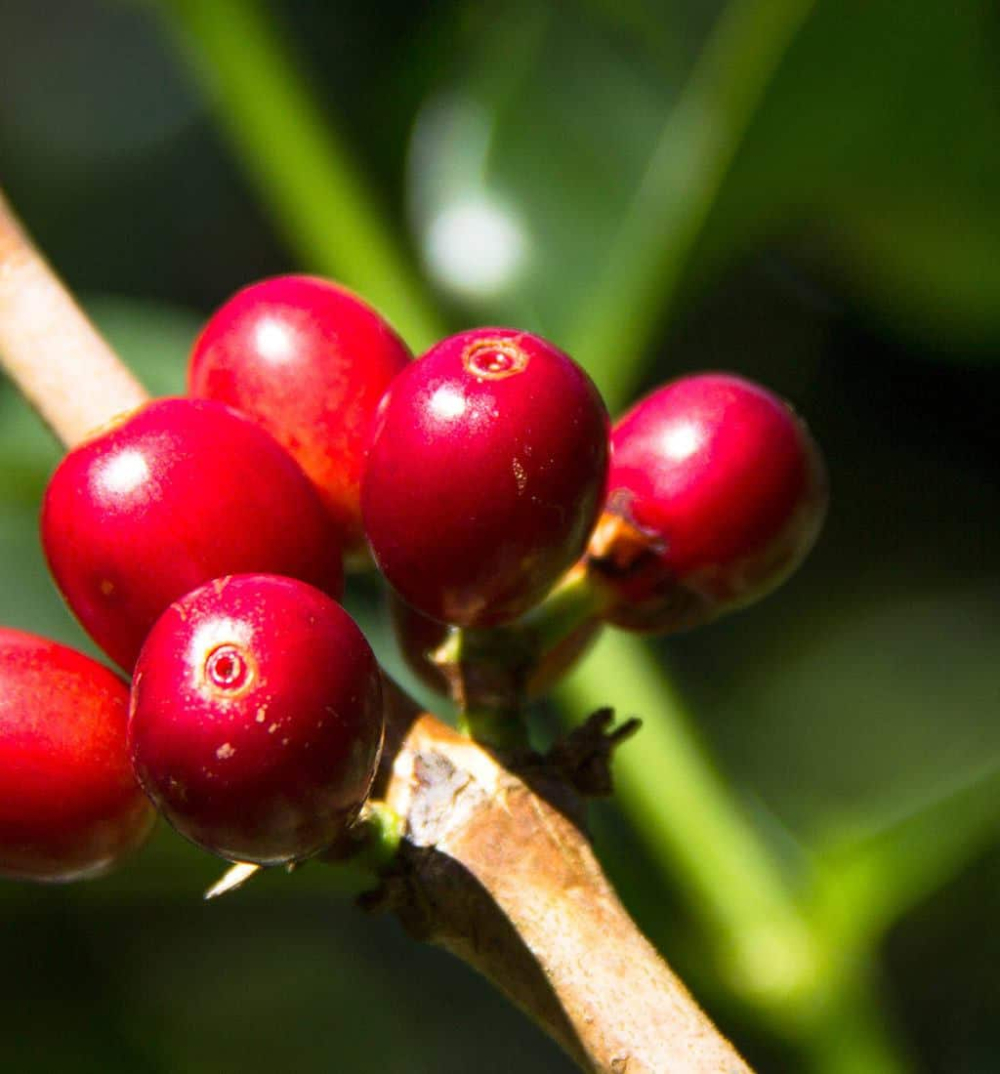
Currently, Geisha is grown in multiple regions around the world, including Colombia, Costa Rica, El Salvador, and even Yunnan in China and Taiwan. However, according to the experience of most professional cuppers and roasters, Geisha from Panama — especially those cultivated in the high-altitude environment of the Boquete region — generally demonstrate superior flavor complexity, clarity, and aromatic performance. This is largely thanks to Boquete’s location at the foothills of the Volcán Barú, nearly 3,500 meters above sea level, where volcanic soils rich in minerals, along with moist air currents from both the Pacific and Atlantic Oceans, provide ideal growing conditions that yield unique fruity aromas and a balanced sweet-and-acid profile.
This estate was among the first to discover and promote the flavors of Geisha, and its Red Label, Green Label, and Blue Label grading system were once important market benchmarks. However, in 2021, to enhance brand consistency, the estate phased out the Blue Label, leaving only the Red Label and Green Label in circulation today. The Red Label Geisha is positioned as the highest tier, selecting only Geisha beans grown at altitudes above 1,600 meters with cupping scores exceeding 90, mostly sourced from prime “Golden Plots.” A certain coffee brand previously imported Red Label Geisha from this estate, using beans from the same plots as the 2004 BOP-winning lot, and employed a slow natural sun-drying process, allowing the sugars in the coffee fruit pulp to more fully penetrate the seeds, resulting in richer aroma and sweetness.
In terms of roasting, to fully showcase Geisha’s fruity and juicy character, this coffee brand typically uses a medium-light roast to preserve more of its innate flavors. For brewing recommendations, when using a Hario V60 pour over, the suggested brew ratio is 1:16, with water temperature controlled at 90°C and grind size around 80% passing through a Chinese No. 20 sieve. The specific steps are as follows: start with a 30-second bloom using 30 grams of hot water, then pour in a thin stream in circular motions from the center outward until reaching 140 grams, wait briefly as the water level drops, then continue pouring up to 240 grams, with total brew time around 2 minutes. Note that even freshly roasted beans usually have a 4–7 day rest period upon arrival, but it’s still recommended to bloom them to allow CO₂ to escape, ensuring stable extraction afterward.
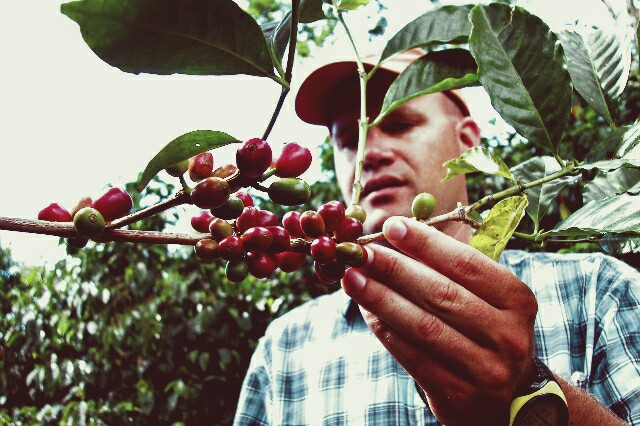
If you prefer using a French press, adjust the grind size to about 75% passing through a No. 20 sieve, set the brew ratio to 1:15, increase water temperature to 93°C, and let it steep for 4 minutes. The process involves preheating the French press and discarding excess water, then adding 15 grams of coffee grounds and pouring in 225 grams of hot water. Cover with the lid but do not press down. After the steeping time is complete, gently press the filter down to about one-quarter of the way, then pour out the coffee and enjoy. This method fully highlights Geisha’s richness and fruity aroma while maintaining moderate sweetness and a smooth mouthfeel.
Overall, Panama Esmeralda Geisha not only possesses a unique terroir expression, but its aroma, sweet-acid balance, and layered complexity are also hard to replicate in other regions. By mastering the right bean information, roasting style, and brewing parameters, you too can easily brew a café-quality cup of premium Geisha at home, experiencing that unforgettable and exquisite interplay of fruity and floral notes.
The above content is compiled by CoffeeHunters, a coffee news website.


