







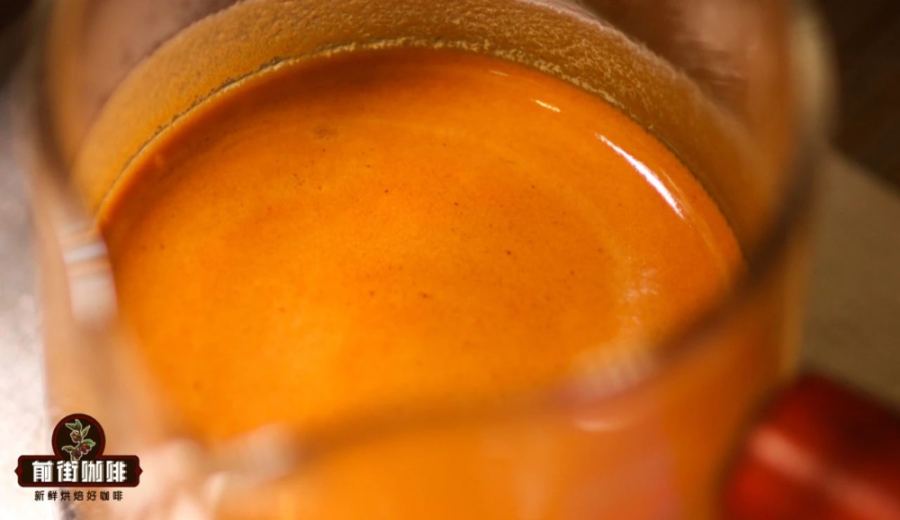
Introduction:The crema on the surface of an espresso not only affects its appearance but is also a crucial source of flavor and mouthfeel. To extract golden-hued, tiger-striped crema with a thickness of about 1–2 centimeters at home—emanating roasted aromas and chocolatey notes—you need to master four key elements: bean freshness, roast level, bean variety, and extraction pressure. This article will delve into these critical influencing factors and offer practical tips to help you elevate the quality and flavor complexity of your home-brewed espresso.
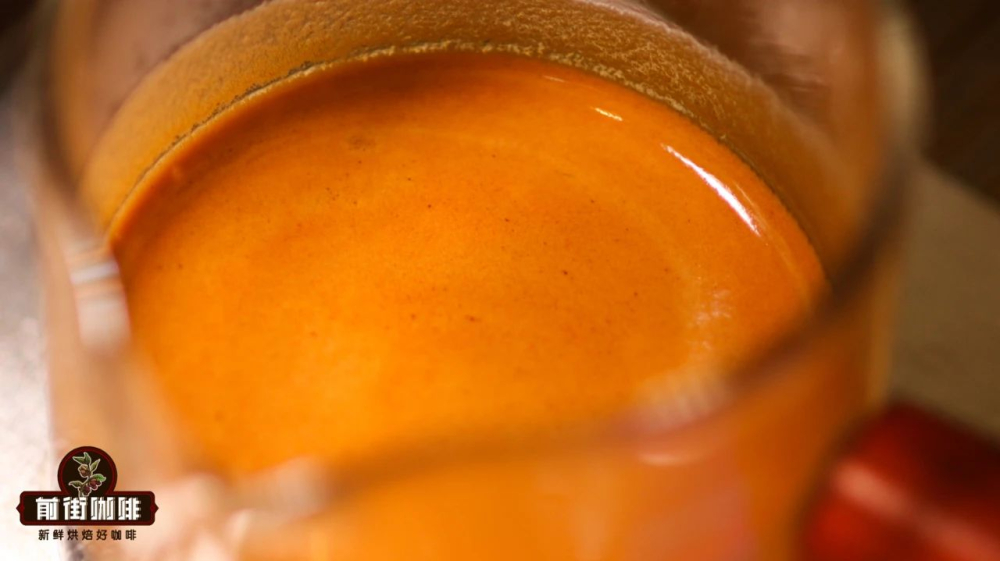
The crema layer of an espresso is the ideal indicator many coffee enthusiasts look for. That golden, delicate, and tiger-striped foam is not just a visual delight—it carries most of the aroma and flavor of the espresso. Successfully extracting crema with a thickness of about 1–2 centimeters, rich color, and clear texture means your extraction conditions are already quite close to professional standards. However, achieving such results consistently requires attention to multiple aspects, including the freshness of the coffee beans, roast level, bean variety, and pressure control during extraction.
1. The Freshness of Coffee Beans Is the Foundation of Crema Formation
Crema is formed by the natural oils in coffee beans encapsulating carbon dioxide gas. Therefore, the fresher the beans, the more carbon dioxide they contain, and the richer and more enduring the crema they can produce. The most intuitive way to judge bean freshness is to see whether it can yield thick crema. When purchasing, it’s recommended to choose beans from professional roasters that clearly indicate the roast date (rather than the expiration date), and to avoid pre-ground coffee as much as possible, since grinding greatly increases the surface area exposed to air, causing volatile aromatic compounds and gases to dissipate rapidly, which significantly impacts crema performance and overall flavor.
2. Dark Roast Beans Help Enhance Crema Performance
The degree of roasting greatly influences the flavor profile and crema-producing ability of coffee. Generally speaking, medium-dark to dark roast beans have a looser internal structure, allowing more gases to be released, and undergo rich caramelization reactions during roasting, producing complex aromas such as caramel, chocolate, cream, and nuts. These characteristics all contribute to forming a dense crema layer during extraction. For those new to espresso, it’s recommended to start with medium-dark roast blends described as having hazelnut, cocoa, caramel, or buttery flavor notes—these beans are usually easier to extract with ideal crema and mouthfeel.
3. Coffee Variety Also Affects Crema Production
Differences in the physical and chemical properties between coffee varieties are also reflected in crema output. Generally, Robusta beans, due to their higher content of coffee oils and antioxidants, are more likely to form rich and thick crema compared to Arabica beans. Although Robusta is often considered to have a stronger flavor, sometimes even grassy or bitter notes, when used in appropriate proportions, it can actually enhance the richness and stability of espresso crema. Some professional blends include a small amount of Robusta to boost overall body and crema longevity, especially noticeable when making milk-based coffee drinks.
4. Extraction Pressure Is the Key Mechanism Determining Crema Thickness
In addition to the beans themselves, the pressure applied during extraction is another important variable affecting crema formation. Ideal espresso extraction typically occurs under 9 bars of pressure, which is the standard pressure provided by most professional espresso machines and effectively pushes out the gases and oils in the coffee to form a golden, fine crema. If using home devices like a moka pot, the pressure is only about 1.5 bars. While this can produce some degree of crema compared to pour over or drip methods, the thickness and richness still can’t match high-pressure extraction. Even so, if paired with freshly roasted beans suitable for high-pressure extraction, a moka pot can still produce espresso with a crema layer, making it suitable for daily home use.

In summary, to brew an espresso with an ideal crema layer at home, you need to comprehensively consider four aspects: bean freshness, roast level, bean variety, and the pressure conditions of your extraction equipment. Each factor influences the final crema performance and overall flavor. Through continuous experimentation and adjustment, you too can gradually master your own perfect extraction recipe.
The above content is compiled by CoffeeHunters, a coffee news website.


