







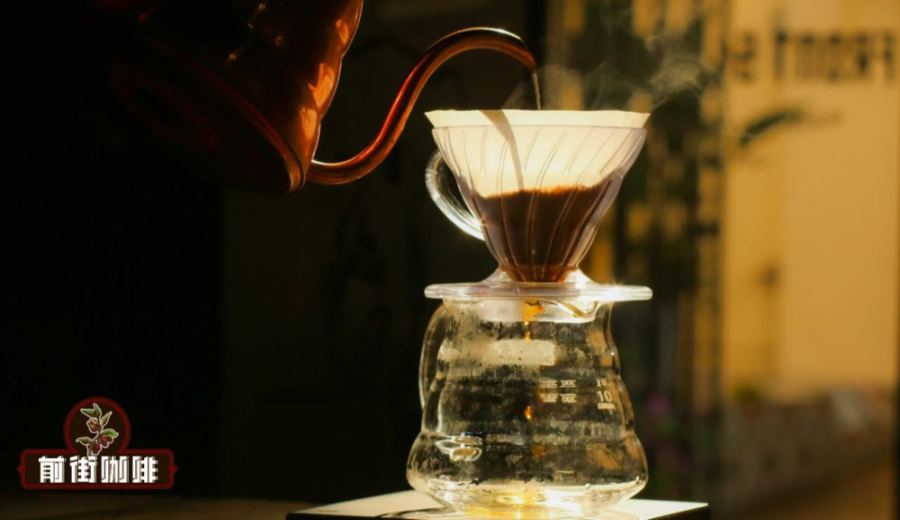
Introduction:Want to discern delicate floral notes from a lightly roasted coffee? This article takes you deep into the source of coffee’s floral aromas, analyzing how variety, origin, and roast level influence aroma expression. We also carefully select 6 representative light-to-medium roast beans, guiding you step-by-step through the dry aroma, wet aroma, and aftertaste when brewing with pour over or cold brew, to help you master the key steps in capturing coffee’s floral nuances and further enhance your flavor recognition skills.
Many people drink coffee just for the caffeine boost, but in fact, it’s the layered aromas that truly immerse you in the experience. Especially the “floral” notes—one of the most captivating aromatic profiles in specialty coffee—commonly found in light to medium roasted beans. These not only offer a fresh and elegant character but also provide a sensory experience akin to being in a garden.
To appreciate the floral notes in coffee, it’s not just about intuition—you also need to understand the factors that shape aroma expression. From variety, origin, processing method to roast level, every step influences the final cup profile. Especially the roast level: the lighter the roast, the more it preserves the bean’s inherent flavors, allowing delicate floral notes to shine through. The body is lighter and the acidity brighter, making it ideal for coffee lovers who prefer a refreshing taste.
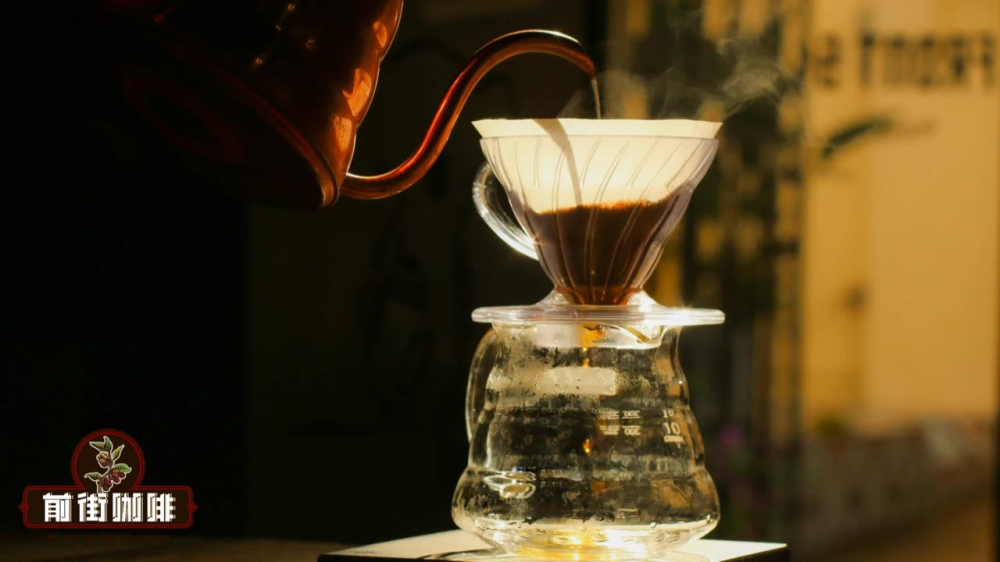
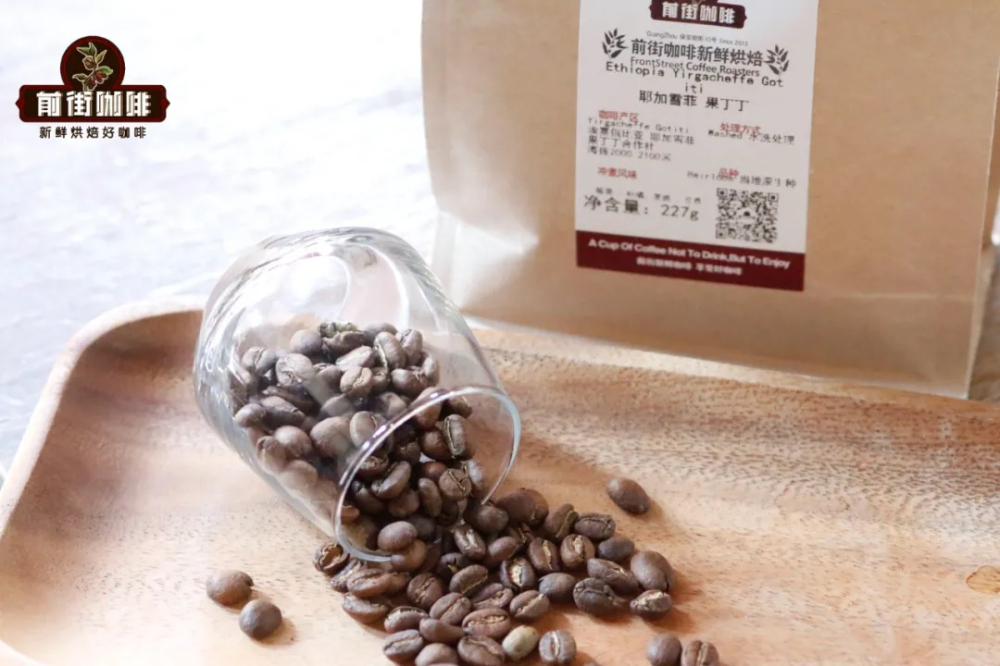
So which coffee beans are prone to exhibiting floral traits? Take several well-regarded light-to-medium roast coffees on the market as examples—they’re suitable not only for pour over and drip bags, but some even reveal unique floral notes in cold brew and ice drip. For instance, Guodingding from Ethiopia often carries white floral and citrus tones paired with tea-like layers, especially enchanting when brewed with pour over; during cold brew, the tea notes become even more pronounced, making it suitable for those who enjoy a clean taste.
Ethiopia’s Huigui beans are also a classic. Their aroma combines orange blossom, strawberry, and citrus, along with some guava and mango fruitiness, even offering a light creamy texture. They suit various brewing methods, whether hot or cold, showcasing rich complexity.
The Geisha from Bouquete, meanwhile, is famed for its jasmine aroma, paired with honey sweetness and citrus notes. Whether hot or iced, you can sense floral notes blossoming like a garden—sweet yet fresh—a top choice for many floral aroma enthusiasts.
Rwanda Red Bourbon exhibits relatively subtle floral notes, complemented by berries and citrus, with caramel and nutty undertones. It’s suitable for pour over, drip bags, ice drip, and cold brew, performing steadily and delicately. Ideal for those who want to slowly savor the evolution of floral notes.
Kafa Forest is a particularly great pour over option. Its orange blossom and white floral notes are especially prominent, complemented by citrus and melon seed aromas. When hot brewed, its soft fragrance is clearly perceptible, making it suitable for users wanting to focus on experiencing floral details.
Finally, Kenya Little Tomato is an exuberantly aromatic bean, interweaving cherry tomato, Asian pear, and black plum fruit notes, along with dark plum and brown sugar sweetness. Both pour over and cold brew showcase an elegant floral tone akin to honeysuckle, with rich juiciness—perfect for those who enjoy a blend of fruit and floral aromas.
How can you correctly appreciate the floral notes in coffee? In reality, it requires engaging multiple sensory dimensions. First,Smell the Dry Aromais the most direct starting point. Freshly ground coffee powder releases the most noticeable volatile aromatic compounds. For example, the rose aroma of Huigui often hits you right at this moment.
Next isSmell the Wet Aroma—that is, during the bloom phase when water is poured and the coffee steams. The hot water activates the release of a multitude of aromatic molecules from the grounds. Getting close to the cup rim at this stage allows you to sense overlapping layers of aroma, and it’s also when floral notes are most three-dimensional.
When the coffee cools down to around40°C, you enter theSmell the After-Aromaphase. At this point, some delicate and refined floral notes may become even more apparent, especially the lingering long-lasting aromas in the aftertaste, which are often key indicators of the depth of floral character.
Finally, don’t forget toTaste Directly. It’s recommended to use the “slurping method,” quickly drawing the coffee liquid into your mouth to distribute it evenly and perceive aromas through the retronasal passage. This effectively heightens your sensitivity to floral notes, helping you more fully capture the floral “language” in the cup.
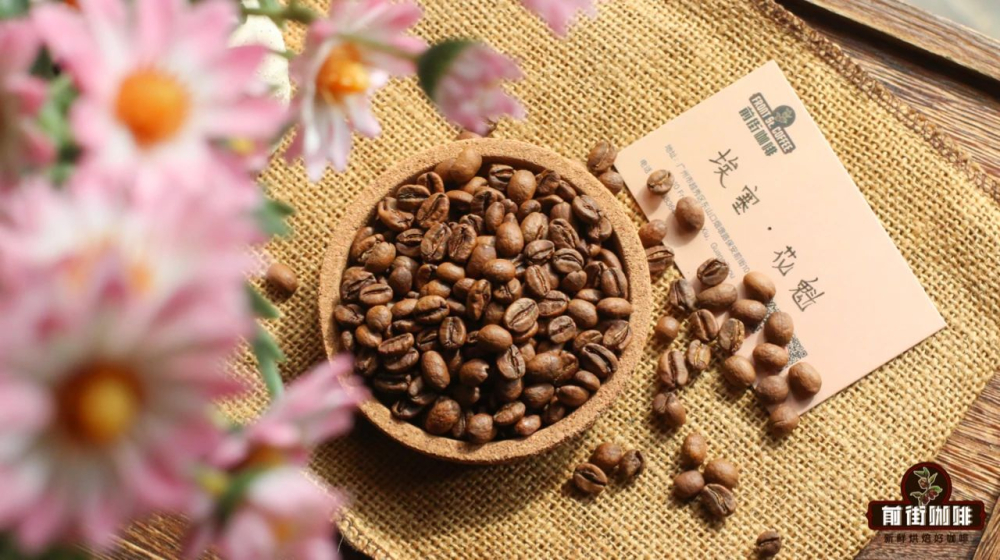
In summary, from bean selection and brewing to drinking, every step affects whether you can ultimately perceive the floral notes in coffee. As long as you choose the right beans, use a suitable brewing method, and carefully observe the changes across each aroma stage, you too can discover beautiful floral aromas, like a spring garden, in your everyday cup of coffee.

The above content is compiled by CoffeeHunters, a coffee news website.


