







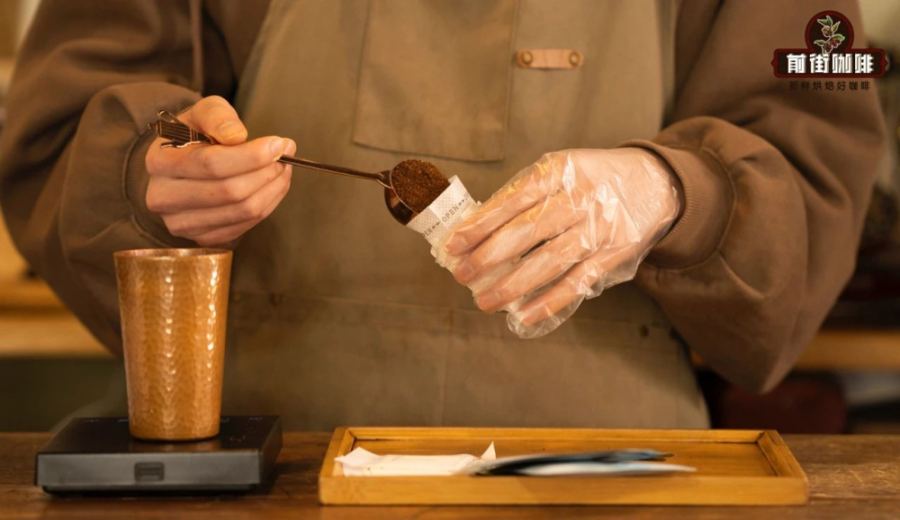
Introduction:To brew a rich and balanced American-style black coffee using pour-over coffee bags at home, the key lies in understanding roast profiles, freshness, and proper pouring techniques. This article delves into the flavor profile of medium-dark roasts, introduces you to the unique characteristics of three classic beans — Indonesian Mandheling, Brazilian Cerrado, and Yunnan Small Beans — and provides a practical four-stage pouring method. Learn how to achieve professional-grade taste with simple tools, even as a beginner.
Pour-over coffee bags offer a convenient way for modern coffee lovers to enjoy hand-brewed flavors. But to brew a clear, layered American black coffee without bitterness or astringency, freshness, bean variety, and brewing technique are all closely interconnected. Especially for medium-dark roasts, achieving balance between body and acidity is a focus for many coffee enthusiasts. Starting with shelf life, this article will explore how roast levels influence flavor, detail the unique traits of three popular medium-dark roast pour-over bags, and finally guide you through a practical multi-stage pouring technique so you can consistently brew professional-quality coffee at home.
First, it's crucial to determine whether your pour-over coffee bag is within its optimal drinking window. Generally, coffee beans are most flavorful within 40 to 50 days after roasting. However, since pour-over bags are pre-ground, their increased surface area leads to faster aroma loss. It's recommended to consume them within 20 to 25 days after grinding to experience the fullest flavor. Notably, freshly roasted coffee powder oxidizes very quickly after grinding, so it’s best to choose products ground within five days of roasting and minimize the time from delivery to brewing to get the best flavor.
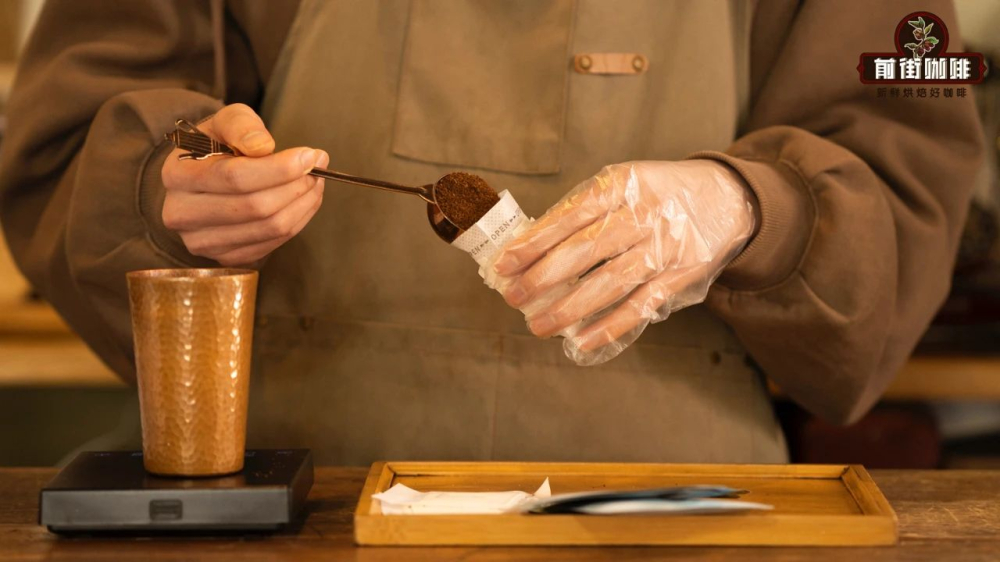
When choosing a pour-over coffee bag that suits your taste, it’s important to understand how different roast levels affect flavor. The longer the roasting time, the more the sugars in the beans caramelize, acidity gradually decreases, and in its place comes a richer bitterness, sweetness, and body. If you prefer low-acid or acid-free bold coffee, medium-dark to dark roasts are more suitable. Conversely, if you enjoy bright fruit acidity and a refreshing taste, light roasts are the better choice.
For those who dislike acidity and seek a bold, full-bodied taste, we recommend the medium-dark roasted Indonesian Mandheling pour-over coffee bag. This coffee typically uses the wet-hulled processing method and is of high-quality G1 grade, featuring distinct notes of spice, herbs, and nuts, along with a lingering dark chocolate aftertaste. It has a rich body and a long-lasting finish, making it especially suitable for those who prefer a heavy-bodied flavor. Note that this coffee has almost no noticeable acidity, making it ideal for men or those who prefer a strong taste.
If you want a bold base with a touch of mild acidity and added complexity, the medium-dark roasted Brazilian Cerrado pour-over coffee bag is an excellent choice. This coffee is often processed using the honey method, offering a flavor profile that includes aromas of nuts, creamy chocolate, and caramel. With low acidity and a balanced taste, it suits those seeking a coffee that is neither too bitter nor too acidic but rich in aroma. Its flavor layers are distinct, making it suitable for everyday drinking or pairing with light meals.
For those who prefer a softer taste and don’t want their coffee to be overly strong, acidic, or harsh, the medium-roasted Yunnan Small Beans pour-over coffee bag is a great compromise. Sourced from Baoshan in China’s Yunnan Province, this coffee is mostly washed-processed and delivers a clean cup with flavors of nuts, brown sugar, chocolate, and plum. It has gentle acidity and a refreshing aftertaste, making it ideal for users who enjoy delicate flavors and balanced profiles. Its regional characteristics are pronounced, showcasing the smooth texture unique to the Yunnan growing region.
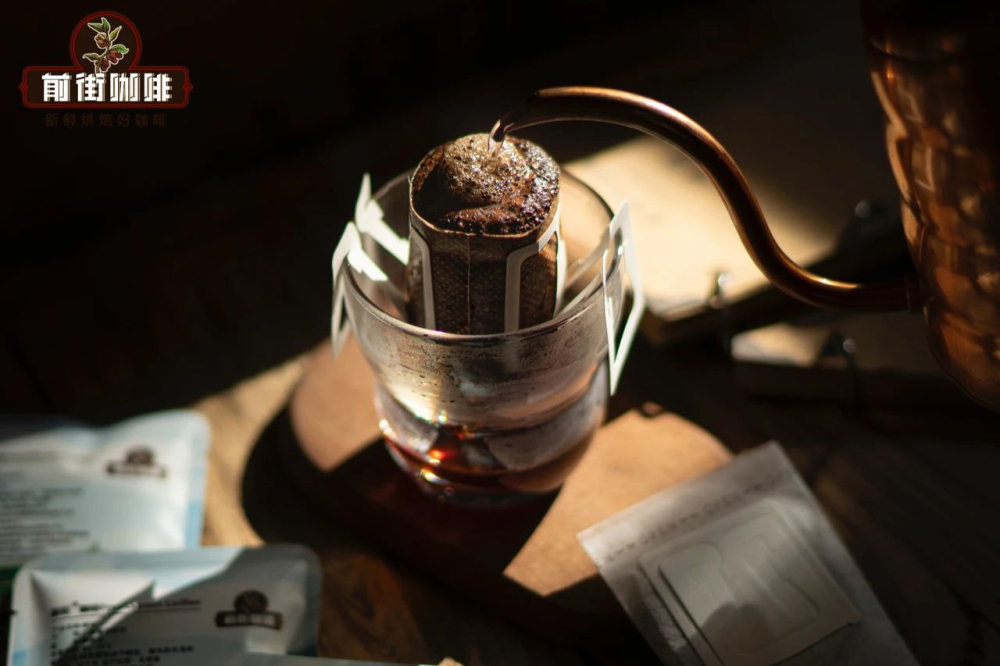
To prepare a medium-dark roasted pour-over coffee bag, you only need hot water, a kettle, and a medium-height glass or mug. First, tear open the pour-over bag and hang it over the cup, ensuring the filter pouch is stable and doesn’t shake. For the first pour, add hot water up to halfway — about 75ml — into the pouch and let it bloom for 15 seconds. This step helps release the aromas and volatile compounds from the coffee grounds.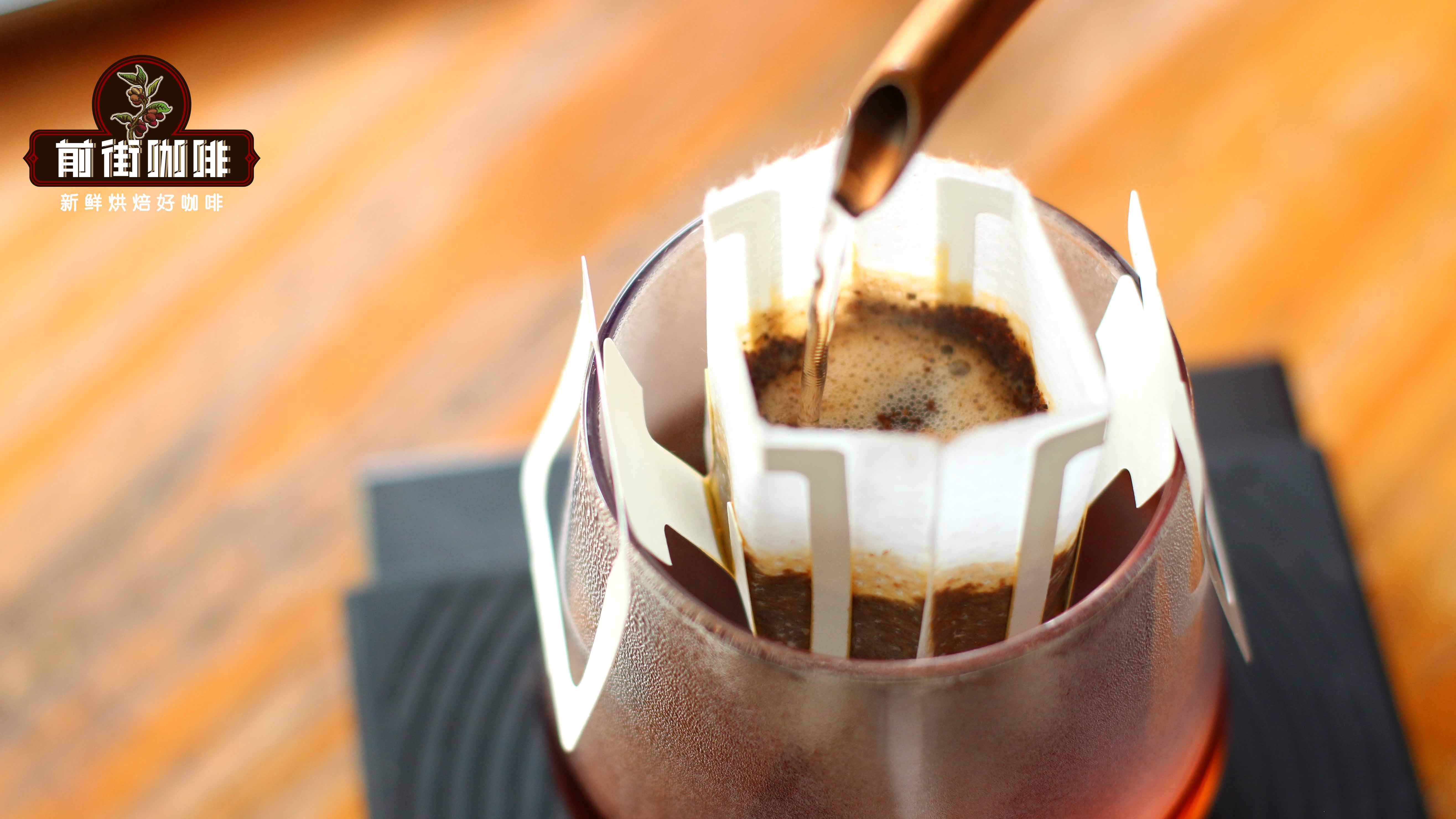
After the bloom, proceed to the second pour, filling the pouch to about nine-tenths full — roughly up to the small card at the top edge — and allow the coffee to drip naturally. Once the first wave of coffee has completely dripped into the cup, repeat the third pour, again filling to nine-tenths full, and wait for it to finish dripping. Finally, perform the fourth pour, maintaining the same water level, until the total brew volume reaches approximately 150ml. This four-stage pouring method effectively controls extraction consistency, avoiding over-extraction or under-extraction. It suits most medium-dark roasted pour-over bags and reliably delivers a bold yet balanced taste.
In summary, brewing a delicious medium-dark roasted pour-over coffee bag comes down to selecting the right beans, mastering freshness, and controlling extraction with steady pouring. Whether you prefer the bold, acid-free Mandheling, the balanced and mildly acidic Brazilian Cerrado, or the soft and delicate Yunnan Small Beans, as long as you master the correct brewing parameters and steps, you can easily enjoy a professional-level pour-over coffee experience at home.
The above content is compiled by CoffeeHunters, a coffee news website.


