







Introduction:Struggling to brew rich, crema-covered coffee with your moka pot? This article dives deep into the workings of the moka pot—from its structure and proper usage to selecting the right grind size and roast level—guiding you step-by-step to master the key techniques. It also offers practical advice to help you avoid common mistakes and recommends medium-to-dark roasted beans that are perfect for brewing a well-balanced, handcrafted espresso-like coffee at home.
The moka pot is often the first choice for many coffee beginners stepping into the world of espresso. This stovetop brewer uses steam pressure to push hot water through a bed of coffee grounds, extracting a bold and slightly creamy coffee. Compared to expensive and complex semi-automatic espresso machines, the moka pot is not only more affordable but also much easier to use—making it ideal for brewing espresso-style coffee at home.
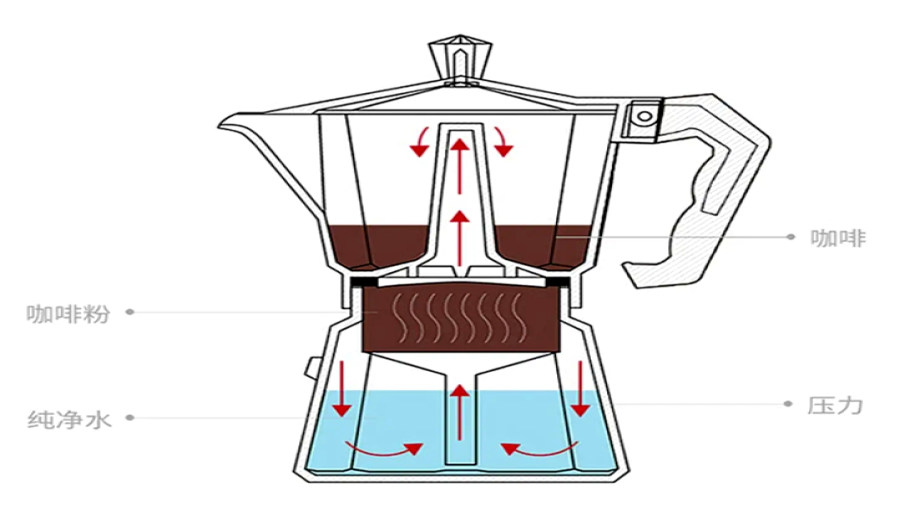
The extraction principle of the moka pot is actually quite similar to that of an espresso machine: both use pressure to force water through coffee grounds, releasing a rich array of aromas and flavors. When the water in the lower chamber is heated to boiling, the resulting steam creates a pressure of about 1.2 to 3 atmospheres, forcing the hot water through the coffee grounds in the middle filter basket and carrying the soluble flavor compounds into the upper chamber—resulting in a thick, bold cup of coffee with a balance of acidity and bitterness.
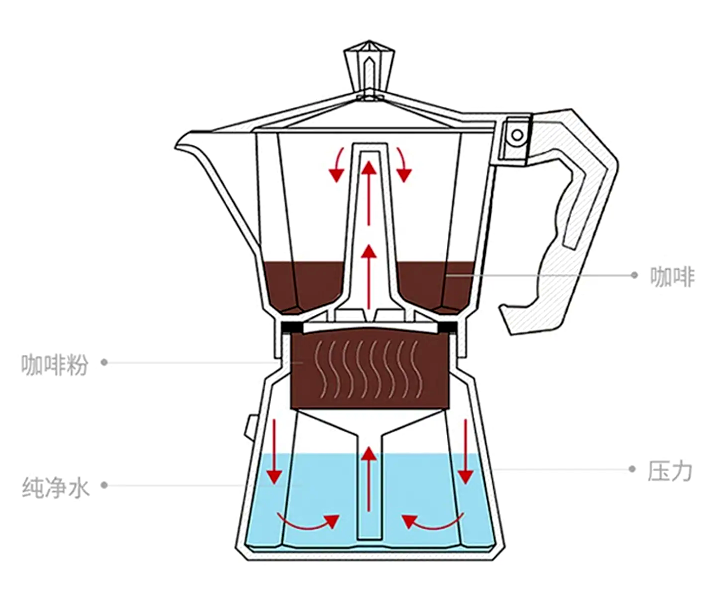
Before using your moka pot, gather the following basic tools: freshly roasted coffee beans, clean cold water, a grinder, a heat source (such as a gas or induction stove), and the moka pot itself. It’s recommended to use filtered soft water or mineral water to avoid impurities that could affect the taste of the coffee.
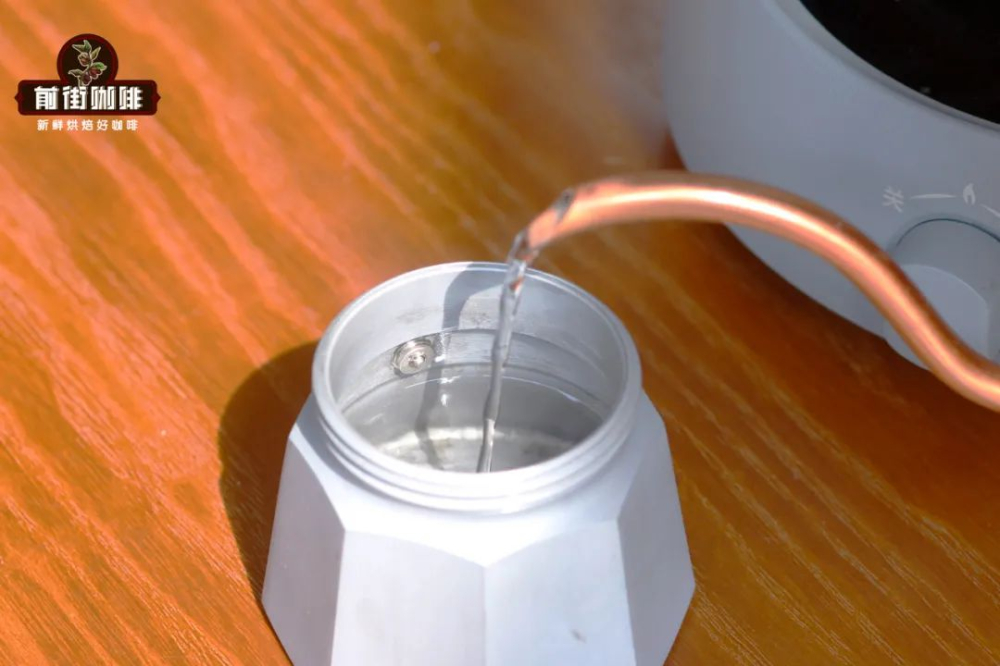
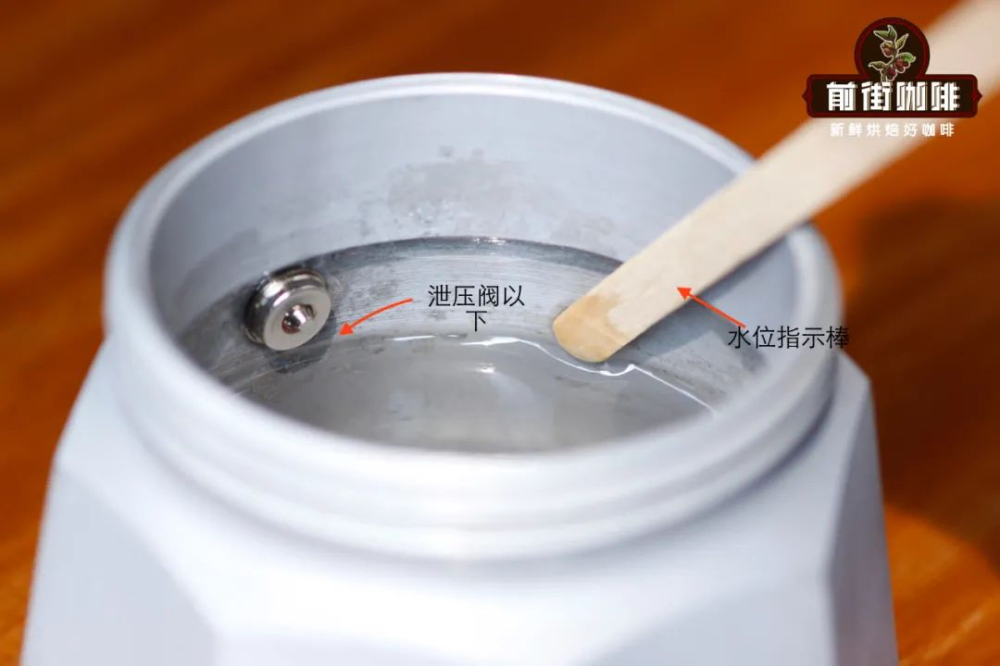
First is the water-filling step. Remove the bottom chamber of the moka pot and pour in room temperature or slightly warm clean water. The water level should be about 0.5 cm below the safety valve. This helps reduce heating time and prevents the coffee grounds from overheating due to excessively high water temperature, which can lead to burnt or bitter flavors. Additionally, the position of the safety valve is very important—if the water level exceeds the valve or submerges it, there’s a risk of dangerous pressure buildup if the coffee bed is too fine and becomes blocked.
Next comes grinding and filling the coffee grounds. The grind size for a moka pot should be finer than what you’d use for pour over, but not as fine as Turkish coffee. For example, using a common grinder like the EK-43s, you can adjust the setting to around 0.5. This particle size allows for effective extraction under pressure. The amount of coffee depends on the pot’s capacity; for a standard three-cup moka pot, about 18 grams of coffee is recommended. Place the ground coffee into the filter basket, leveling it off to about nine-tenths full. Do not tamp it down firmly—overly compacted coffee can obstruct water flow, leading to uneven extraction or even dry sputtering.
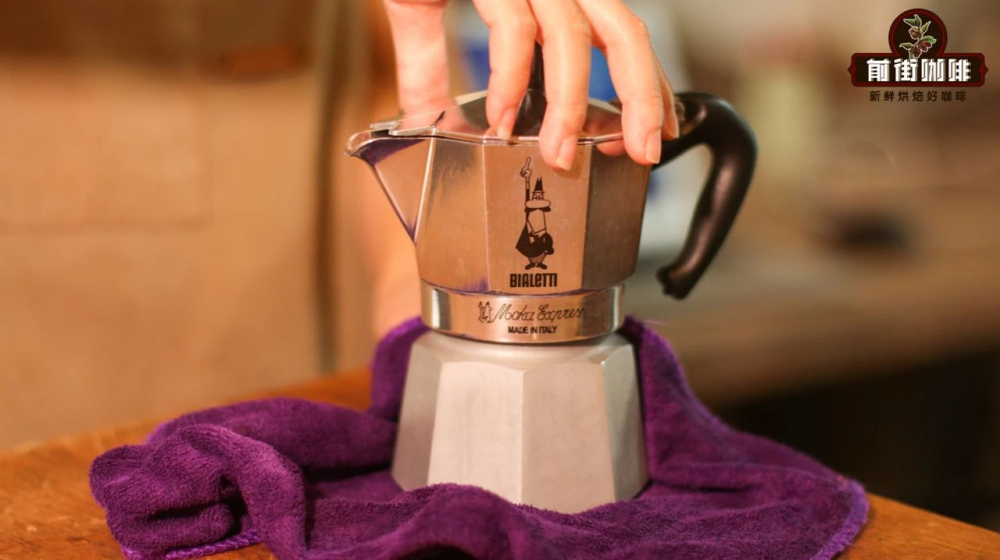
After filling the filter basket, place it back into the bottom chamber and screw the top chamber on tightly. To avoid burns during heating, it’s a good idea to wrap the pot with a dry towel. Use low to medium heat, especially with an open flame—make sure the flame doesn’t extend beyond the base of the pot. Concentrated heat at the bottom ensures stable pressure generation.
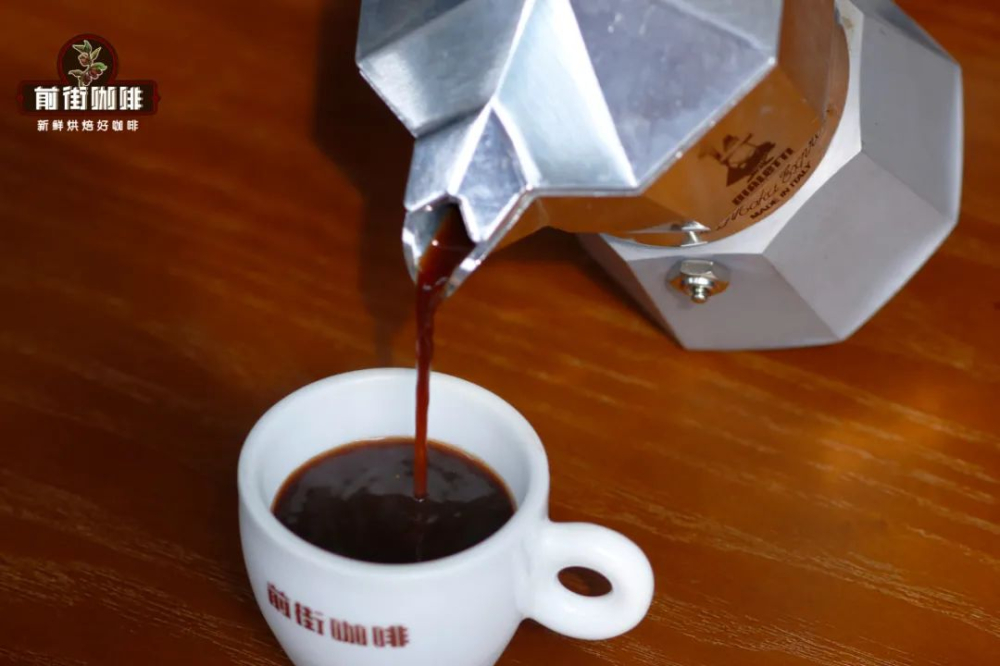
Once the moka pot starts heating, you’ll soon hear a hissing sound—this means the water is boiling and pressure is building. At this point, reduce the heat and watch for the coffee to begin slowly dripping from the top chamber. When about half of the coffee has flowed out, you can turn off the heat and let the remaining pressure and heat finish the extraction. This method helps prevent over-extraction and preserves more delicate flavor notes.
Freshly brewed moka pot coffee usually boasts a rich aroma, including notes of dark chocolate, vanilla, cream, and even a hint of berry acidity—paired with a bold body and a touch of crema. You can enjoy it straight or dilute it with hot water to adjust strength, or add milk to create a uniquely flavored latte.
There are several common mistakes and things to watch out for when using a moka pot. First, never touch the metal parts of the pot while it’s heating to avoid burns—use a towel to help handle it. If you hear a whistling sound but no coffee is coming out of the top, the spout or coffee bed might be clogged. In this case, turn off the heat immediately to prevent dangerous pressure buildup.
Additionally, the grind size and how you fill the coffee grounds are extremely important. Too coarse a grind leads to under-extraction, resulting in weak and potentially spraying coffee; too fine leads to over-extraction, making the coffee bitter and unpleasant. Likewise, uneven or insufficient coffee in the filter basket affects water flow stability and overall extraction quality.
For bean selection, it’s recommended to use a medium-to-dark roasted espresso blend. These beans, typically darker roasted and softer in texture, can release more aroma and crema under high pressure—making them better suited for the high-temperature, high-pressure environment of a moka pot compared to lighter roasts. While light roasts offer brighter, fresher flavors, they often require a much finer grind in a moka pot, which can bring out excessive acidity and unwanted off-notes, negatively impacting flavor balance.

In terms of maintenance, always disassemble the moka pot immediately after each use and clean all parts to avoid leftover coffee grounds. Otherwise, not only can odors build up, but future brews may suffer from blockages or flavor contamination. Pay special attention to cleaning the filter plate, gasket, and filter basket channel to ensure no coffee oil or residue remains, helping maintain optimal extraction performance.
In summary, brewing a moka pot coffee that closely resembles a handcrafted espresso hinges on controlling water temperature, grind size, packing method, and extraction time. Choosing a high-quality medium-to-dark roasted blend further boosts success and flavor. Master these basic techniques, and you’ll be able to enjoy rich, bold moka pot coffee in the comfort of your home.
The above content is compiled by CoffeeHunters, a coffee news website.


