







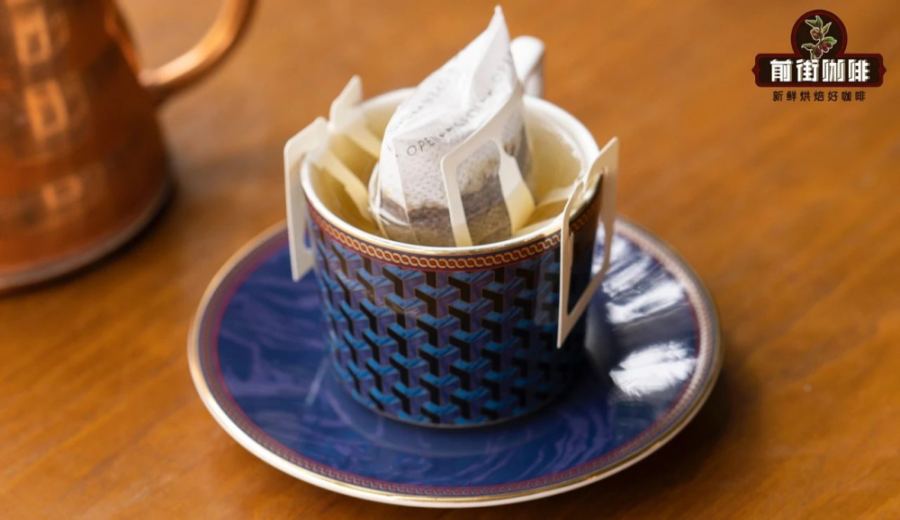
Introduction:Drip bags are popular for their convenience in brewing, but many people encounter issues such as under-extraction and weak flavor when trying them for the first time. This is not only related to technique, but also involves key factors such as water temperature, pouring rhythm, and coffee-to-water ratio. This article delves into the extraction principles of drip bags, guiding you to master the correct blooming time, segmented pouring techniques, and helping you choose the right drip bag product based on your personal taste preferences—so that every cup showcases rich layers of flavor.
Thanks to their portability and ease of use, drip bags have become a daily favorite for many coffee enthusiasts. However, many users find that the coffee they brew for the first time tastes bland, with little to no distinct coffee aroma or body. This issue often stems from incorrect brewing methods—including improper water temperature control, poor pouring technique, and imbalanced coffee-to-water ratios—which can lead to under-extraction and ultimately affect the final flavor profile.
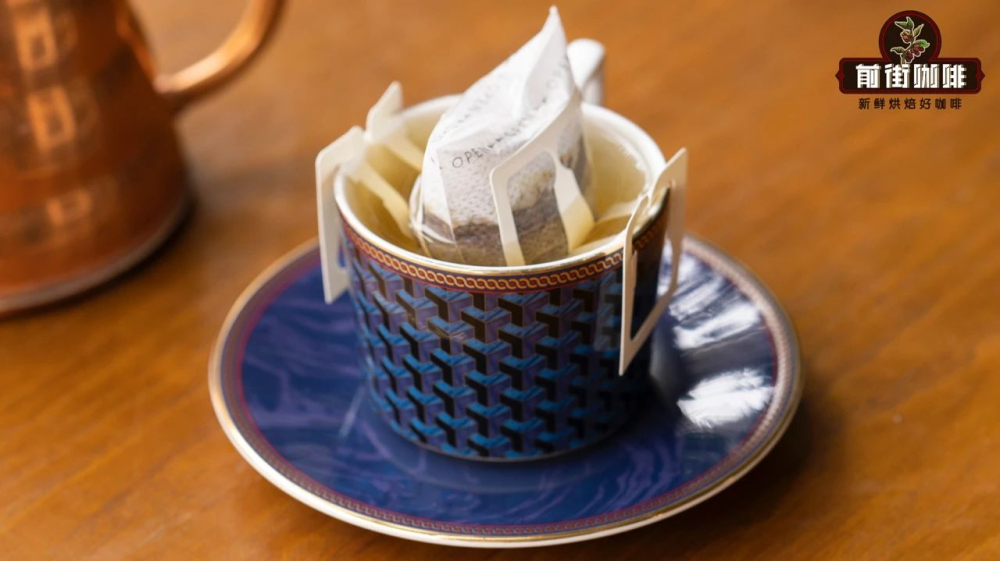
One common mistake is soaking the entire drip bag in hot water. Due to the barrier created by the filter bag material, the hot water cannot evenly and thoroughly contact the coffee grounds, preventing soluble flavor compounds from being effectively released, resulting in an extremely thin-tasting cup. In addition, using water that is too cool or pouring too much water can dilute the coffee’s intensity, making the overall flavor flat and unremarkable.
The correct brewing method should begin with opening the drip bag packaging, exposing the coffee grounds inside to air, and then pouring water directly into the interior of the filter bag. It is recommended to use water that has just been boiled and allowed to sit for about two to three minutes, keeping the water temperature between 86 to 93 degrees Celsius . This temperature range helps fully activate the aromatic and flavor compounds in the coffee beans.
Taking the commonly available 10-gram coffee drip bag as an example, if using a 1:15 coffee-to-water ratio, this means you’ll need to pour approximately 150 grams (milliliters) of hot water. This ratio strikes a balance between coffee strength and mouthfeel, making it suitable for the taste preferences of most people.
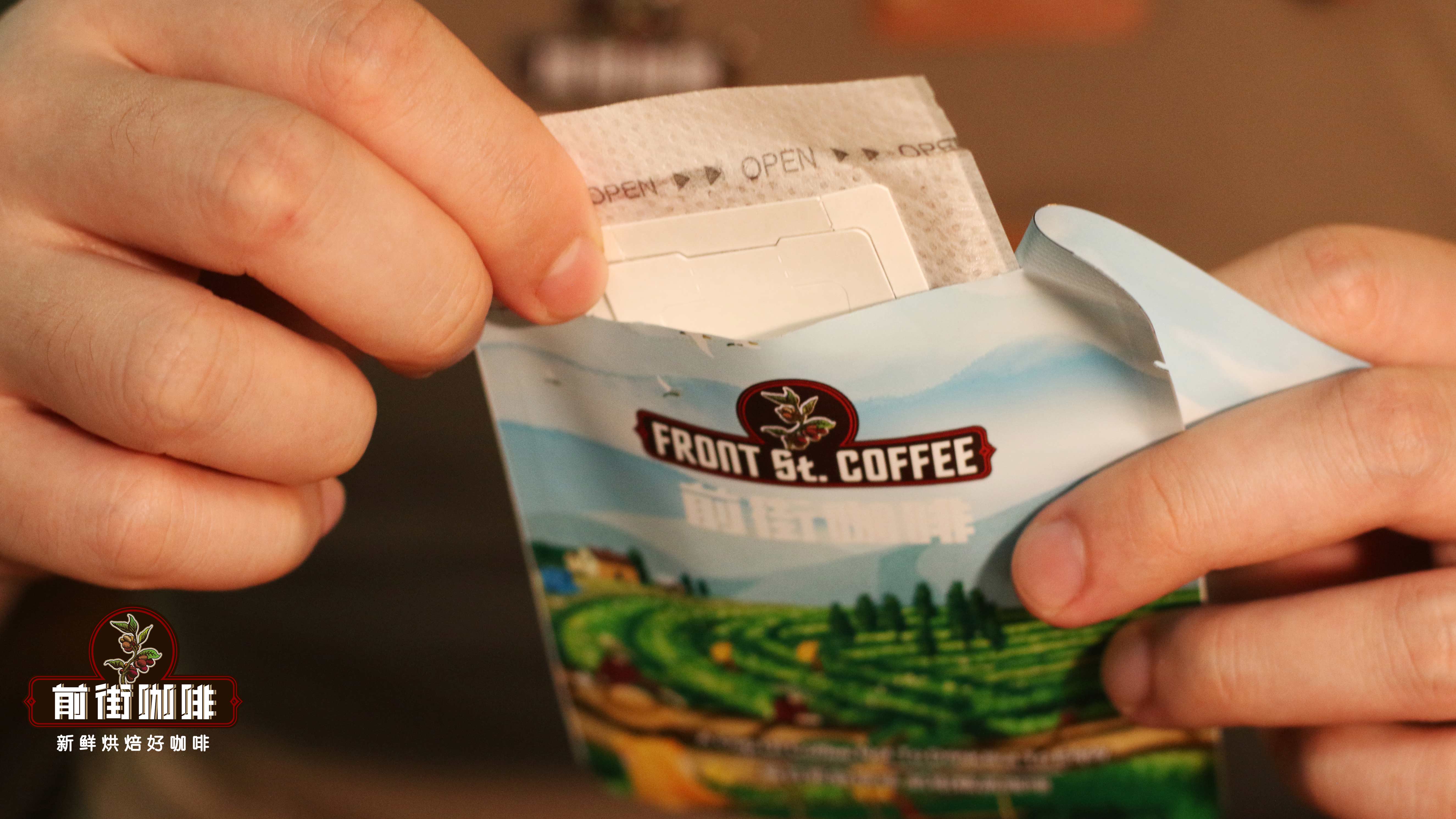
Before starting the brew, it is advisable to prepare a cup or server to catch the coffee, as well as a pour over kettle with a steady stream, which helps control the speed and flow of the pour. First, open the drip bag packaging, carefully remove the filter bag, and tear along the dashed line on the packaging to expose the non-woven fabric part, ensuring the coffee grounds are fully exposed.
Next, unfold the wings on both sides of the drip bag and place it steadily on the rim of your cup or server, ensuring the filter bag sits upright without tilting to avoid uneven pouring. The brewing process is generally divided into three main stages: first is the bloom stage, where you wet all the coffee grounds evenly with a fine stream of water to allow the grounds to expand and release carbon dioxide. This stage takes about 10 to 20 seconds; then move on to the second pour, slowly pouring with a steady and fine stream until the liquid level approaches the top edge of the filter bag, then let the coffee drip through naturally until nearly drained; finally, perform the third pourto add the remaining water needed to reach the target total volume. Once all the coffee has dripped through, gently swirl the cup to blend the flavors evenly, and it’s ready to enjoy.
It’s worth noting that the final flavor of drip bag coffee is still closely related to the quality and roast style of the coffee beans used. Similar to hand pour coffee, most single-origin coffee beans can be made into drip bag format, so when purchasing, you can choose drip bags with different regional characteristics and processing methods according to your personal preferences, exploring a variety of flavor profiles.
The above content is compiled by CoffeeHunters, a coffee news website.


