







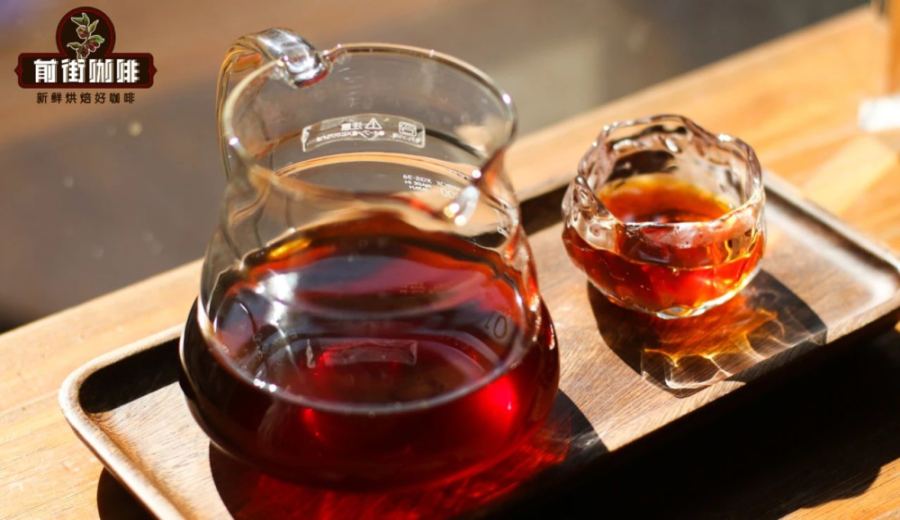
Introduction:Are freshly roasted coffee beans really at their most fragrant right after roasting? In fact, newly roasted coffee beans require a "resting period" to allow the residual carbon dioxide and harshness inside to dissipate naturally, so that the flavors can become more rounded. This article will delve into the degassing principles of coffee beans after roasting, recommended resting times for different roast levels, the optimal flavor window, and long-term storage considerations. It will help you grasp the golden time for coffee freshness, avoid wasting good beans, and enhance your pour over flavor experience each time.
Many people mistakenly believe that coffee beans can be enjoyed immediately after roasting. However, freshly roasted beans often carry noticeable harshness, smoky flavors, or even slight grassy notes. They need a resting period to naturally release carbon dioxide, allowing the flavors to become more balanced and smooth. Based on years of roasting and cupping observations, the resting time required for coffee beans of different roast levels is approximately 3 to 7 days, while the optimal flavor window usually falls between the 7th and 20th day after roasting. It’s important to note that the flavor window is entirely different from the shelf life, with the latter being mainly for food safety considerations and often lasting more than 12 months. This article will guide you through the entire timeline from degassing principles, recommended resting periods, peak flavor periods, to storage methods, providing practical advice on purchasing and storing to ensure you never waste hard-earned quality beans.
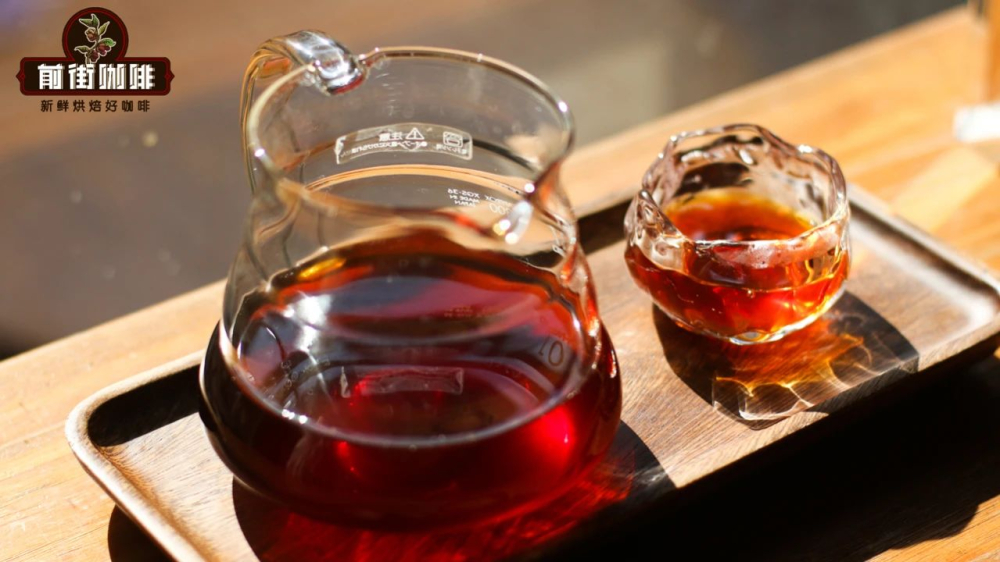
"Should you brew coffee right after it's roasted?" The answer is actually no. Many coffee enthusiasts often liken freshly roasted beans to a just-baked cake, assuming the fresher, the better. But in truth, freshly roasted coffee beans are still in a transitional phase of flavor adjustment. Long-term roasting and cupping experience have shown that within the first one to two days after roasting, coffee beans often still carry noticeable smoky flavors and the unique grassy astringency of raw beans. Brewing at this stage usually does not yield ideal flavor results.
Why is it not recommended to brew freshly roasted coffee beans right away? The key lies in what is called "harshness." This harshness is specifically manifested as overly sharp acidity, undeveloped sweetness, and a possible slight astringency in the mouthfeel. These are temporary characteristics produced during the roasting process and need to fade naturally over time. Roasting is a series of complex chemical and physical reactions. Although we have a fairly good understanding of these changes, some details are still being explored. However, harshness, as one of the most easily perceptible characteristics by taste, indeed directly affects the initial brewing experience.
Did you know? Per kilogram of coffee beans, approximately 6 to 10 liters of carbon dioxide are released in a non-fully sealed environment, which is equivalent to 1% to 1.2% of the total bean weight. About 35% of this carbon dioxide is released within the first three days after roasting, and during this period, many volatile aromatic compounds that significantly contribute to flavor are also lost along with the carbon dioxide. Therefore, within the first 48 hours after roasting, the beans are still in a high-degassing phase. Brewing immediately—by grinding and extracting—can not only result in suboptimal flavor but may also negatively affect extraction performance due to unstable internal pressure.
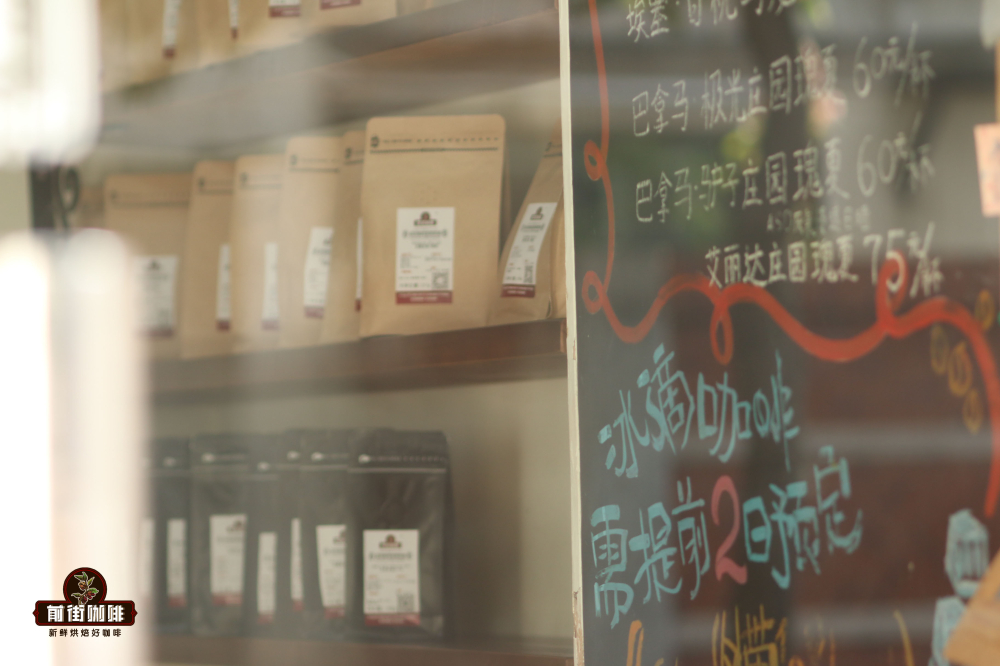
The so-called "resting" refers to the process where freshly roasted coffee beans naturally release carbon dioxide in a suitable environment. To achieve the best resting effect, it is recommended to use packaging bags equipped with a one-way degassing valve. This design allows the gases released by the beans to escape outward while effectively blocking external air and oxygen from entering, reducing the risk of flavor degradation. Generally speaking, placing the coffee beans in a dry, cool, and dark place and letting them sit for 3 to 7 days helps stabilize the beans, eliminate initial harshness, make the subsequent extraction process smoother, and yield a more rounded and full-bodied flavor.
The required resting time for coffee beans varies depending on the roast level. Typically, medium-light roasted beans, due to their lighter roast, release residual carbon dioxide and harshness more quickly, and are recommended to rest for 3 to 4 days. Medium-roasted beans are advised to rest for 4 to 5 days. As for medium-dark roasts, because they are roasted at higher temperatures and for longer durations, the internal structure of the beans is denser and carbon dioxide is released more slowly. It is recommended to rest them for 6 to 7 days to achieve a more ideal flavor state.
So, what is the "optimal flavor window" for coffee beans? Simply put, the flavor window refers to the period after roasting when the coffee beans exhibit their most outstanding and balanced flavors. This period usually falls between the 7th and 20th day after roasting—that is, 1 to 3 weeks after the resting period—when flavors gradually reach their peak and showcase the richest layers and aromas. It’s worth noting that the flavor peak may vary slightly for each coffee bean variety due to differences in roast level, origin, and processing method. However, within this timeframe, you can generally experience the best extraction performance and mouthfeel.
After the flavor window, it doesn’t mean the coffee beans are completely undrinkable, but the flavors will indeed gradually decline. Unpleasant cardboard-like, oily, or other oxidation-derived off-flavors may even emerge. This is because various flavor compounds in coffee beans gradually decompose or deteriorate over time and with exposure to oxygen. Therefore, it is recommended to purchase an amount that you can finish within about 2 to 4 weeks based on your brewing frequency, and store the beans in a cool, dry, and dark place. Use airtight containers or packaging with a one-way valve to ensure every brew delivers the best possible flavor.
As for the shelf life of coffee beans, it refers to the longest time a product can remain safely consumable under normal storage conditions. Generally speaking, coffee beans packaged in aluminum foil composite bags have a shelf life of about 12 months, while some importers, to accommodate long-distance transportation and storage needs, may label them as 2 years. It should be noted that these deadlines are primarily based on comprehensive assessments of microbiological, physicochemical properties, and sensory evaluations to ensure that product quality and safety meet relevant standards within the labeled timeframe. All roasted coffee beans sold are regularly tested, and their shelf life is guaranteed to be 12 months, offering consumers greater peace of mind when tasting.
The above content is compiled by CoffeeHunters, a coffee news website.


