








Introduction:Delving into the regional characteristics and varietal flavors of Yunnan coffee, this article provides an in-depth analysis of two premium Yunnan single-origin offerings from Starbucks, exploring the growing conditions and historical background of major regions such as Pu’er and Baoshan. It also compares the differences among three major Arabica varieties—Typica, Catimor, and Bourbon. Additionally, it includes an explanation of the washed processing method and a detailed cold brew preparation guide, making it a practical resource for coffee enthusiasts seeking to understand Yunnan beans and refine their brewing skills.
In recent years, Yunnan coffee has gained increasing visibility in the international specialty market, particularly catching the attention of global chain brands. Starbucks has launched multiple Yunnan Select series, ranging from the earlier Feng Wu Xiang Yun to more recent offerings like the Pu’er-Baoshan blend and the Qing Kai Farm Select. These not only highlight single-origin characteristics but also feature innovative blends, demonstrating that Yunnan coffee’s potential has earned professional recognition.
Among them, the Qing Kai Farm Select coffee beans come from Qing Kai Farm in Pu’er, processed using a dryer-assisted natural method that effectively reduces the risk of mold during rainy-season harvesting, resulting in consistently high quality. The flavor profile features a smooth chocolate base, complemented by gentle herbal notes reminiscent of sage and thyme, showcasing a unique spicy character.
The other offering, the Pu’er-Baoshan Blend, is Starbucks China’s first Yunnan Select blend presented with a light and elegant roast. It combines beans from Baoshan Zuoyuan and Pu’er Menglian Jinshan, both meticulously processed via the washed method. The blend reveals a rich sweet pepper note balanced with fruity acidity, and a syrupy, velvety mouthfeel that leaves a lasting impression. It also represents the brand’s localized interpretation of light-roast flavors.
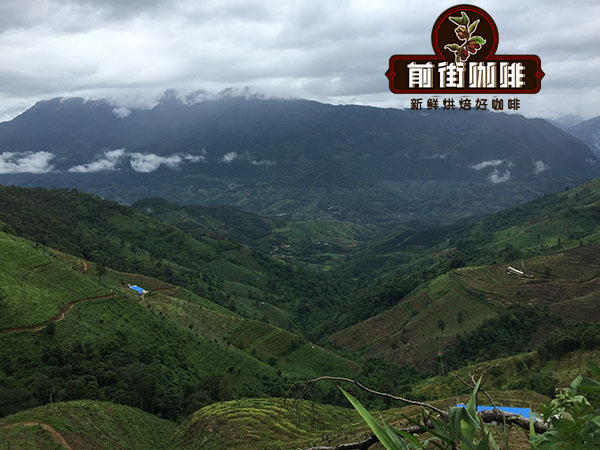
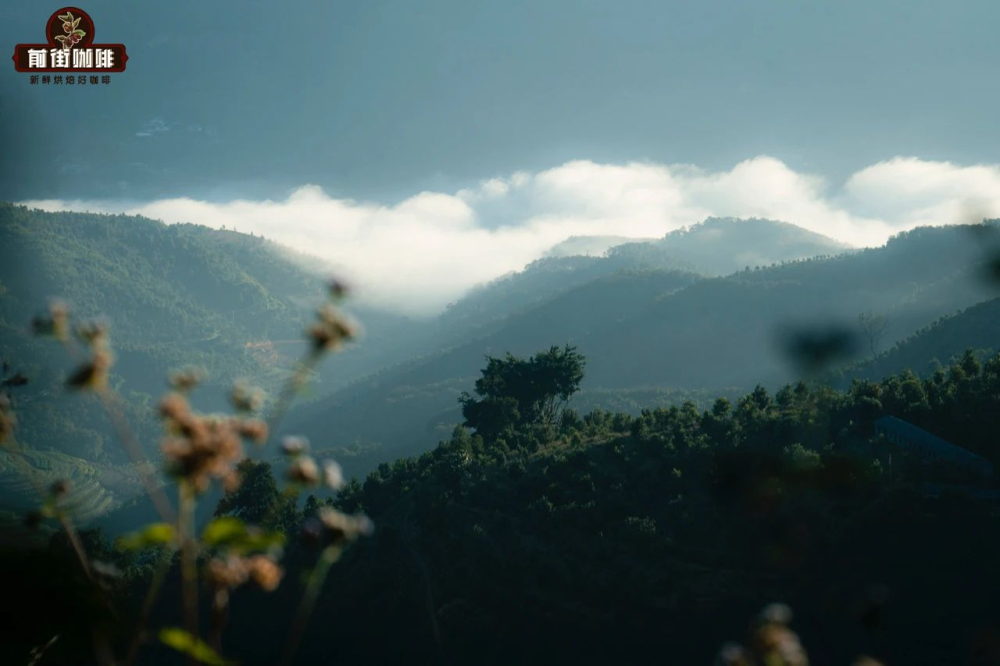
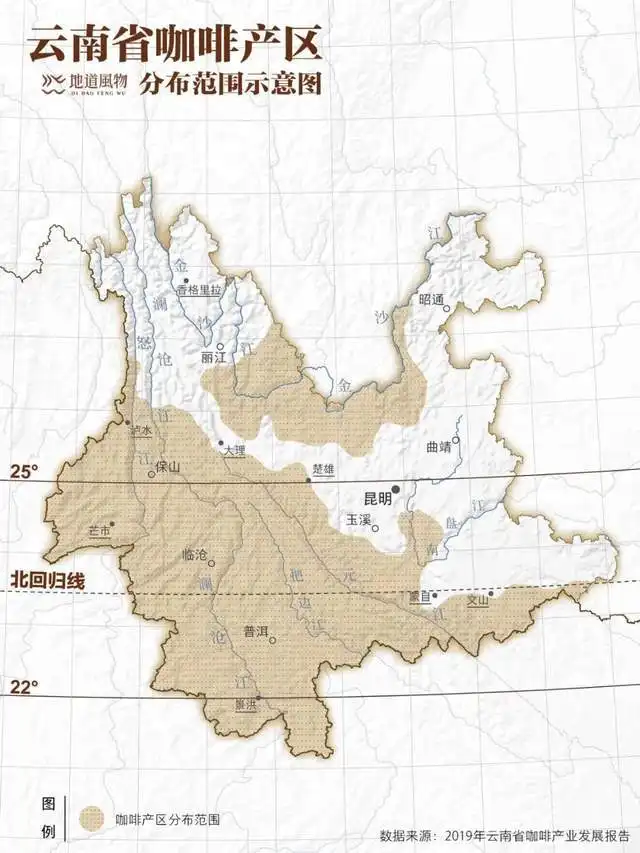
Yunnan is located in southwestern China, with the Tropic of Cancer crossing its southern part. The region is predominantly mountainous and plateau, with altitudes between 1,000 and 3,500 meters covering 90% of its area. This geography offers significant diurnal temperature variation and abundant rainfall—ideal conditions for high-altitude coffee cultivation and microclimates—which fosters consistent, high-quality coffee cherries, laying the foundation for the inherent quality of Yunnan beans.
Currently, up to 98% of all coffee beans on the Chinese market are produced in Yunnan, making it the representative coffee-growing region in the country and an indispensable link in the global specialty coffee supply chain.
Yunnan’s main coffee-growing regions are concentrated in the southern and western parts, including Pu’er, Baoshan, Dehong, and Lincang. Among them, Baoshan coffee is known for its rich yet refreshing profile, with pronounced yet not overpowering aromas, showcasing distinct regional characteristics. Dehong is hailed as the “Hometown of Chinese Coffee,” with most planting areas situated at elevations above 1,000 meters, including 30,000 acres of highland plantations exceeding 1,600 meters. Coupled with organic farming practices, it holds world-class coffee potential.
Baoshan introduced coffee cultivation in the mid-1950s, with the first coffee seedlings brought from Vietnam by patriotic overseas Chinese Liang Jinshan. The small-bean coffee from Luxi Dam even earned praise in the international market. In 2010, it received China National Geographical Indication Product certification. Lincang, leveraging its unique geographical environment, has established multiple nursery bases and promoted cultivation across several counties. Pu’er, a renowned tea region, has a coffee-growing history of over 150 years and has actively developed its coffee industry since the early 1990s, making it an important crop for increasing farmers’ income.
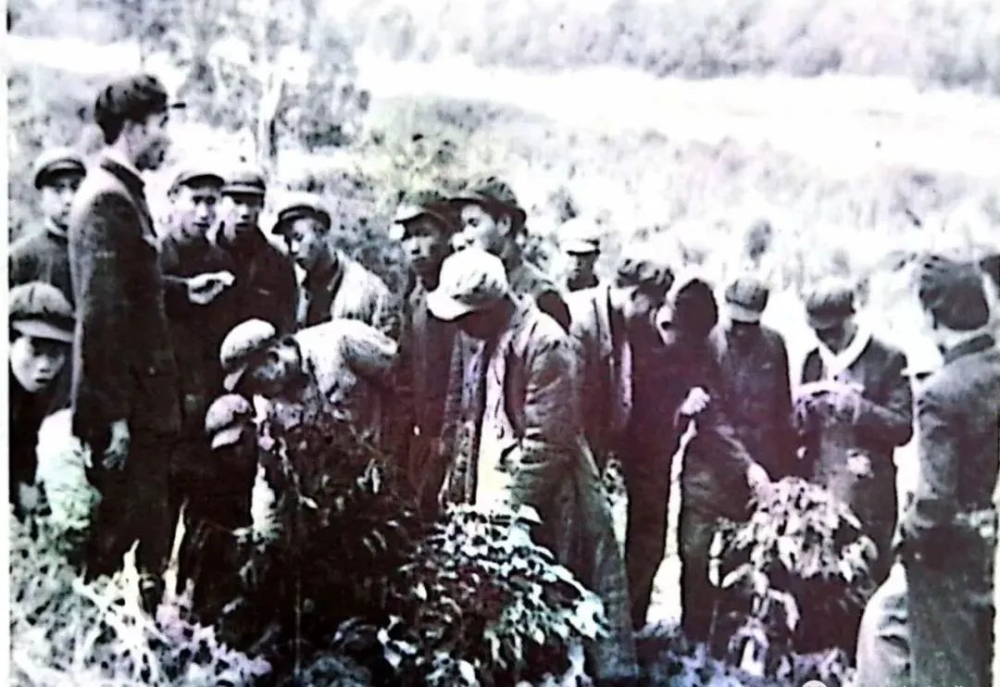
The history of coffee cultivation in Yunnan can be traced back to the late 19th century and can generally be divided into four phases: First, the opening of Mengzi in 1889 marked the beginning of foreign trade connections; in 1902, French missionary Tien De Neng planted the first coffee trees in Zhukula, Binchuan, some of which still have surviving descendants; in 1952, the Yunnan Academy of Agricultural Sciences introduced 80 kilograms of coffee seeds to Luxi Dam, Baoshan, leading to rapid expansion in line with policy needs; in 1988, Nestlé established a joint venture and launched a planting project, driving modern development, followed by the involvement of several international brands, shaping the early framework of today’s Yunnan coffee industry.
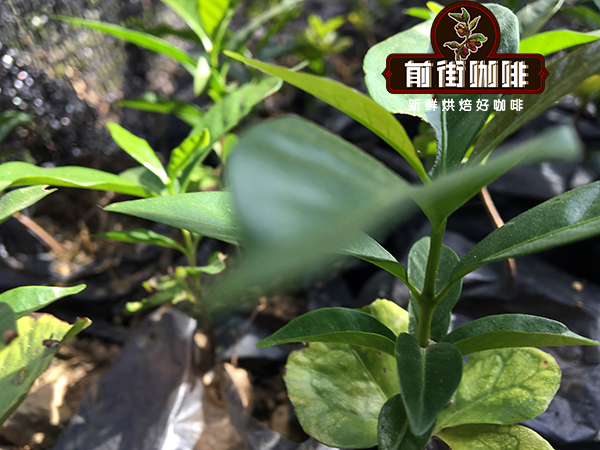
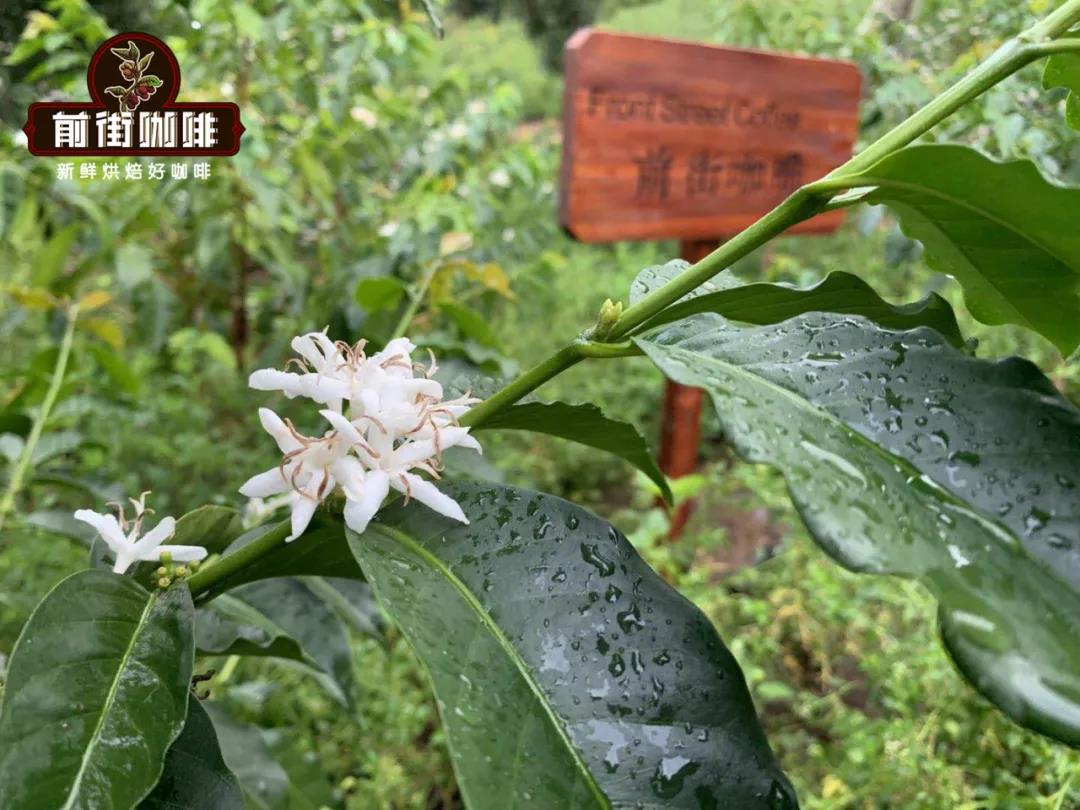
Currently, the most widely planted variety in Yunnan is Catimor, followed by smaller amounts of Typica and Bourbon. Although all three belong to the Arabica family, their characteristics differ significantly. Typica, the oldest original Arabica variety, offers an elegant and delicate flavor but is weak in disease resistance, has low yield, and is susceptible to leaf rust. It is now mostly found in high-quality small-scale plantings in Central and South America. One estate in Baoshan chose to cultivate Typica precisely for its clean and clear flavor profile and high balance, striving to present the purest Yunnan coffee flavor despite the challenging cultivation process.
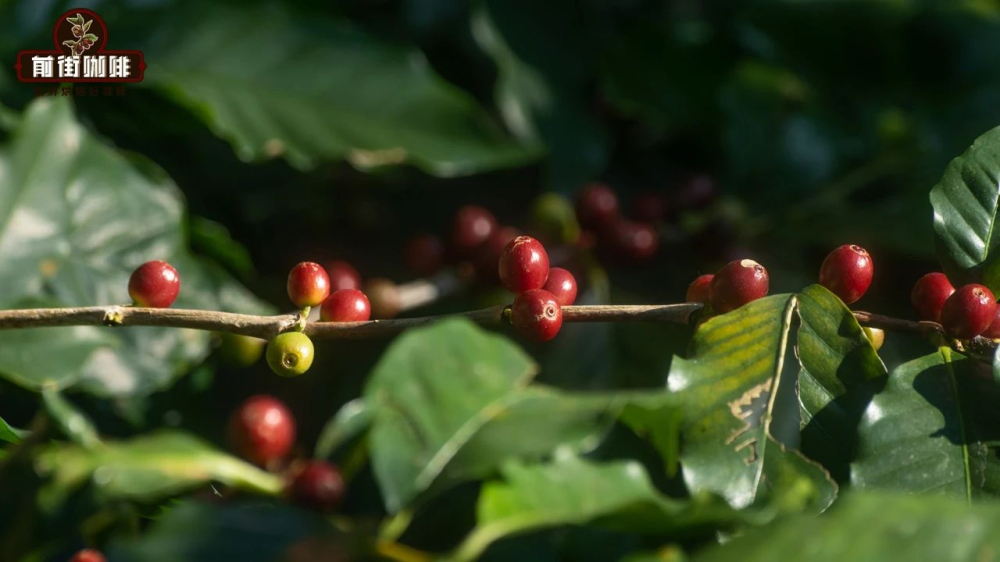
Bourbon is a mutation of Typica, harvested when its green fruits turn red. It has broad leaves and dense fruit clusters. Although its yield is slightly higher than Typica, it remains a low-yielding variety but offers distinct wine-like acidity and a sweet aftertaste. Catimor, on the other hand, is a hybrid of Arabica and Robusta, with 25% Robusta genetics, giving it excellent disease resistance and high-yield traits while retaining some of Typica’s original aromatic potential. Though some coffee enthusiasts consider its flavor relatively ordinary, in reality, renowned batches such as Indonesia’s Golden Mandheling also use Catimor, proving its undeniable potential.
In terms of processing methods, Yunnan coffee mostly uses the washed process, which effectively highlights the beans’ original flavors, enhances overall cleanliness and brightness, and reduces off-flavors. Some brands adhere to this technique to ensure consumers can taste the most authentic expression of the terroir.
Taking actual products as examples, one brand’s 2013 Typica coffee beans, grown at 1,450–1,550 meters in Baoshan and processed via the washed method, exhibit aromas of citrus, nuts, plums, and melons, with a sugary brown sugar and black tea note in the aftertaste, delivering a rich flavor profile. Another Yunnan small-bean coffee, also from Baoshan and grown at 1,200 meters, is of the Catimor variety. Its washed process brings out herbal, nutty, chocolate, and caramel tones, making it suitable for those who prefer bold flavors.
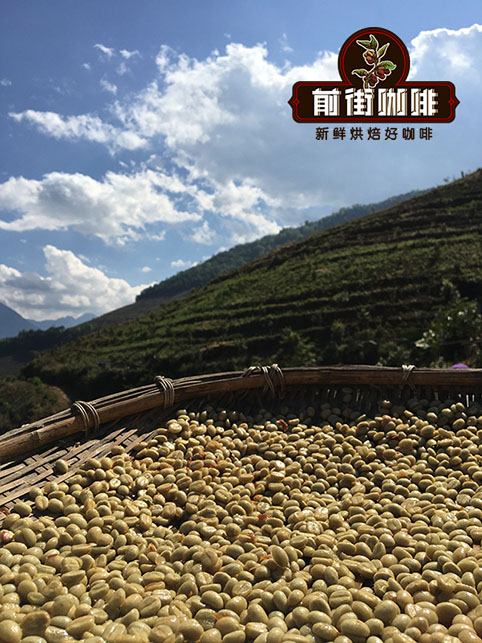
If you want to enjoy the unique flavors of Yunnan coffee at home, cold brew is a simple and delicious brewing method. Prepare a clean, sealable container, add 40 grams of Yunnan small-bean coffee beans, grind them to the coarseness of fine sugar (approximately 85% through a #20 mesh sieve), then add 480 milliliters of cold water. Stir well, cover with plastic wrap, and refrigerate for 12 hours. Afterward, strain out the coffee grounds to enjoy a clear and bright coffee liquid. For a rounder flavor, you can refrigerate the coffee liquid for an additional 4 hours. It is recommended to consume within 5 days of preparation for optimal flavor and food safety.
The above content is compiled by CoffeeHunters, a coffee news website.


