







Introduction:Iced coffee is not just black coffee with ice added to it! From cold brew and Kyoto drip to pour-over iced coffee, different brewing methods bring out distinctly varied flavor profiles. This article uses a well-known café’s Kenya “Little Tomato” beans as an example, analyzing the extraction principles of four major types of iced coffee, key parameter adjustment techniques, and includes complete pour-over steps along with flavor descriptions to help you find your most refreshing and flavor-matched iced coffee based on your taste preferences.
The world of iced coffee is wonderfully diverse. Cold brew, Kyoto drip, Japanese-style pour-over iced coffee, and traditional iced coffee each have their own unique extraction logic and flavor presentation. What exactly sets these iced coffees apart? How can you adjust grind size, coffee-to-water ratio, or extraction time to achieve the most ideal flavor? Using a popular Kenya “Little Tomato” bean from a well-known café as a practical case study, this article breaks down the key elements of making the four types of iced coffee in an easy-to-understand way—from theory to hands-on practice in one go.
The Kenya “Little Tomato” beans come from the Asali processing facility in the Thika region, grown at an altitude of 1550–1750 meters, using the SL28 and SL34 varieties, and processed via the K72 washed method. These beans are known for their bright acidity and juicy mouthfeel, especially well-suited for low-temperature slow extraction, which highlights their distinctive flavor notes such as cherry tomatoes and berries.
First, let’s clarify the basic concepts: iced coffee falls into two main categories—“hot extraction followed by cooling” and “full low-temperature extraction.” Common iced coffee is often made by mixing hot-brewed coffee with ice to cool it down, where acidity and bitterness can easily become more pronounced as it cools; whereas low-temperature extraction methods like cold brew involve steeping coffee grounds in cold water for an extended period, slowly dissolving flavor compounds, resulting in a cleaner and crisper taste. If you want to avoid your hot-brewed coffee turning astringent after cooling, it’s recommended to drink it while it’s still warm; Japanese-style pour-over iced coffee should be enjoyed before the ice fully melts to maintain optimal concentration.
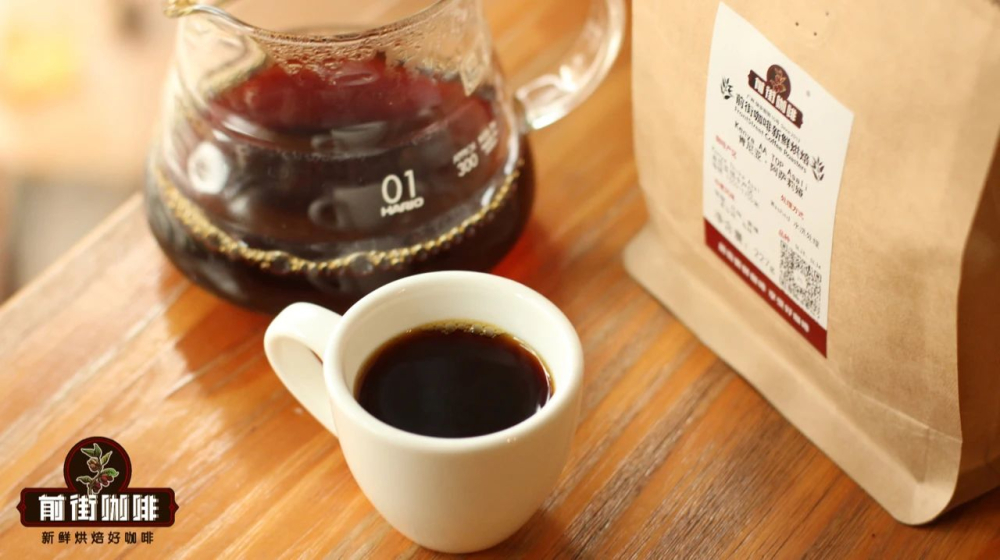
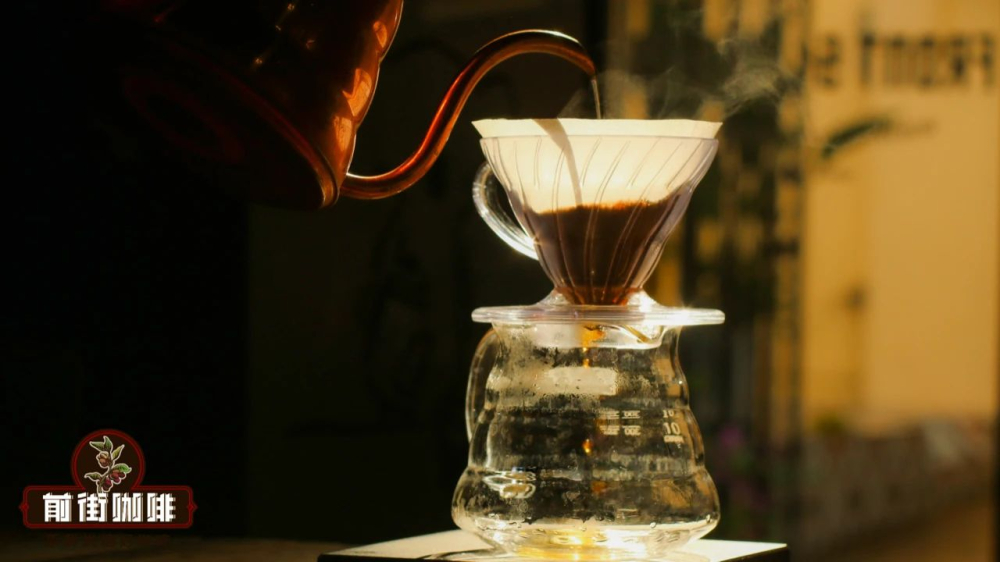
Taking the Kenya “Little Tomato” beans as an example, a well-known café recommends the following hot pour-over parameters: Hario V60 #01 filter, 15 grams of coffee, 92°C water temperature, medium-fine grind (80% passing through a #20 sieve), and a coffee-to-water ratio of 1:15. The pouring process involves a 30-second bloom with 30 grams of water, followed by segmented pouring up to 125 grams → 225 grams, with a total extraction time of 2 minutes. This set of parameters yields a coffee with notes of ripe tomato and floral wet aroma; the cup features bright acidity, rich layers, a prominent fruity sweetness in the mid-palate akin to juice, and a finish with berry and green tea notes.
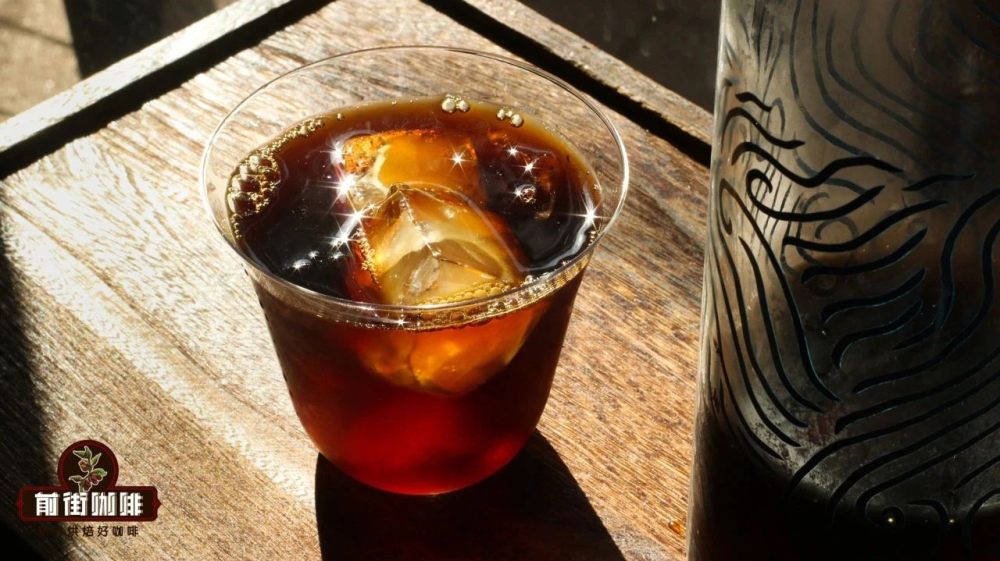
Japanese-style pour-over iced coffee follows a similar process to hot pour-over, but the key lies in adjusting the coffee-to-water ratio and grind size. It is recommended to use a 1:10 coffee-to-water ratio and a finer grind (close to 90% passing through a #20 sieve), with an extraction time of about 2 minutes. This setup concentrates the extraction of the early-to-mid stage fruit acids and floral notes, avoiding excessive release of later-stage impurities. Since the grind is finer and the coffee-to-water ratio lower, the overall extraction yield decreases, so a finer grind is needed to compensate and ensure flavor integrity. Remember to drink it before the ice has completely melted to prevent the coffee from becoming diluted and weak.
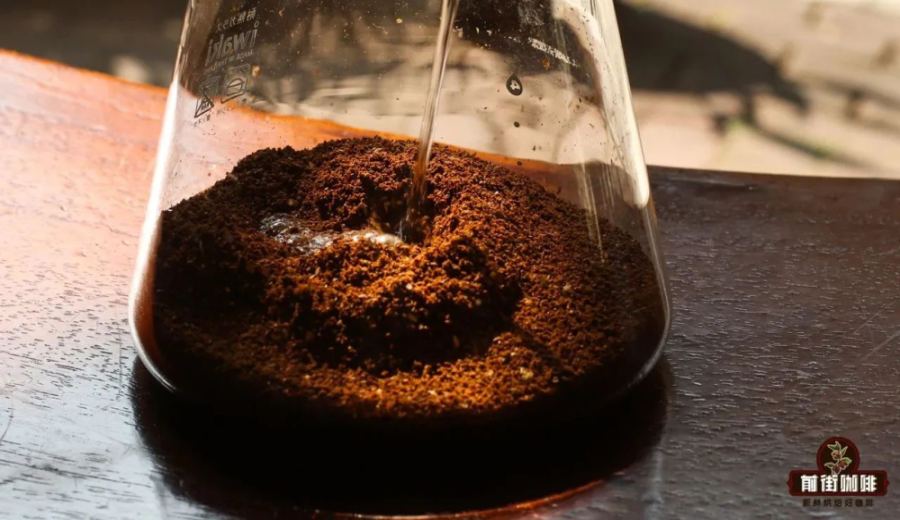
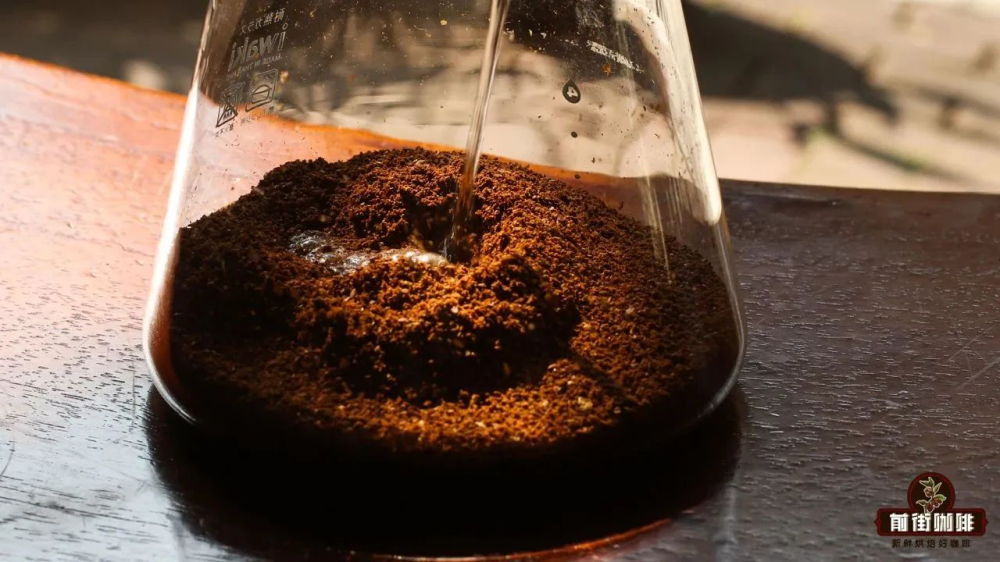
Cold brew coffee is a completely different low-temperature extraction method. Mix coffee grounds with cold water at a 1:10 coffee-to-liquid ratio (e.g., 50 grams of coffee + 400 milliliters of water + 200 grams of ice), then place it in the refrigerator to steep for 24 hours, stirring occasionally to promote even extraction. In the practical operation of a well-known café, they first mix the coffee, water, and ice and let it steep for 24 hours, then filter it and refrigerate for another 32 hours, allowing the coffee liquid to continue aging. During this process, the coffee liquid naturally ferments, bringing more complex aromatic layers. It is generally recommended to consume it after refrigerating for 1–3 days when the flavor is at its best. Cold brew is characterized by soft acidity, a clean mouthfeel, and fermentation aromas with fruity sour-sweetness, such as cherry tomato, plum, and honey. It’s perfect for enjoying over ice.
Ice drip coffee represents the pinnacle of low-temperature extraction, utilizing an extremely slow dripping speed (about 7 drops per 10 seconds) to allow cold water to gradually penetrate the coffee grounds. A well-known café uses 60 grams of coffee to extract 600 milliliters of coffee liquid, with a 1:10 coffee-to-liquid ratio and a slightly finer grind than pour-over (85% passing through a #20 sieve). The ice-to-water ratio is 1:1, and flow rate control is key—too fast leads to uneven extraction, too slow may result in over-extraction. The entire process takes about 6–8 hours, and it is recommended to bottle and chill the coffee for 12 hours after completion to allow the flavors to further integrate. Ice drip coffee has an extremely smooth mouthfeel, with prominent sweetness, notes of cherry tomato acidity, grapefruit peel character, and a berry finish. Its flavor becomes even richer overnight, but it is best consumed within 3–4 days to maintain peak quality.
These four iced coffee brewing methods each have their own unique characteristics: hot brew cooled is ideal for those who prefer a bold and intense flavor; Japanese-style pour-over iced coffee balances acidity, sweetness, and strength; cold brew emphasizes cleanliness and fermented aromas; and ice drip offers ultimate smoothness and sweetness. When selecting coffee beans, it’s recommended to choose varieties with bright acidity and prominent fruitiness (such as Kenyan beans), which can better showcase the advantages of low-temperature extraction. In actual practice, you can fine-tune grind size, coffee-to-water ratio, or time according to personal taste to find that perfect summer iced coffee that suits you best.
The above content is compiled by CoffeeHunters, a coffee news website.


