







Introduction:Choosing the right roast level is key to a successful pour over coffee brew. This article dives deep into the flavor characteristics and extraction differences of light, medium, and dark roasts, teaching you how to adjust water temperature, grind size, and brewing techniques based on the beans’ characteristics. Taking Jamaican Blue Mountain No. 1 as an example, we offer professional brewing advice — from blooming to pulse pouring — guiding you step by step to brew a rich, smooth, classic-tasting cup that’s not bitter or astringent.
For those just starting out with pour over coffee, facing the wide variety of coffee beans can be overwhelming. One of the most important considerations is roast level, which not only determines the direction of acidity, sweetness, and bitterness in the coffee, but also affects the bean density and water absorption properties, which in turn influence key parameters such as water temperature and grind size.
Generally speaking,Light roast beansare known for their bright fruit acidity and floral-fruity aromas, often featuring fresh notes like lemon and berries;Medium roast beansshowcase mellow fruit acidity, nutty aromas, and a touch of caramel sweetness, with an overall more balanced flavor profile;Dark roast beansare dominated by intense dark chocolate and caramel flavors, with very low acidity and a more pronounced bitterness, making them ideal for those who enjoy a bold, rich taste.
However, there is no absolute standard for roast level categorization, and different roasters may interpret them differently. The most reliable way is to refer to the roast information provided by the seller, or observe the color of the beans. Some specialty shops use Agtron colorimeters to test the color of green beans and coffee grounds, comparing them to the SCAA standard color chart to determine roast depth. Typically,light roast beans retain more of their original flavorswith vivid fruit and floral notes; as roast time increases, the flavors gradually shift toward richer notes like chocolate and nuts.
In addition to flavor, roast level also affects the bean’s density and water absorption rate. The longer the roast, the more porous the internal structure of the beans becomes, leading to faster water absorption and a higher efficiency in releasing soluble compounds. Therefore, during pour over brewing,light roast beans usually require a higher water temperature (around 90–91°C) and a finer grind size (such as medium-fine, similar to sugar granules, with 80% of particles passing through a #20 sieve)to better extract their flavors;medium roast beans can be brewed with a medium grind size (like white sugar, 75% of particles passing through a #20 sieve), keeping the water temperature similar; whiledark roast beans, due to their faster extraction rate, should be brewed with a coarser grind (like coarse sugar, 70% of particles passing through a #20 sieve) and a slightly lower water temperature (88–89°C)to avoid over-extraction and bitterness.
So, how do you adjust your pour over strategy according to roast level to brew a well-balanced, flavorful cup? The key lies in controlling the extraction rate. When hot water contacts coffee grounds, it sequentially dissolves fruity, acidic, sweet, and bitter compounds. Under-extraction leads to prominent acidity but lacks sweetness and body, while over-extraction results in bitterness dominating the cup and an unbalanced overall taste.
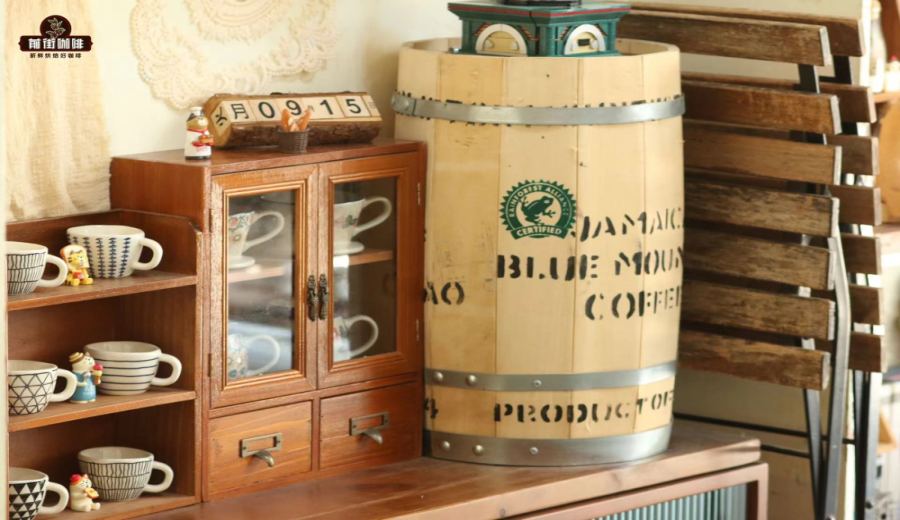
Take the highly acclaimed Jamaican Blue Mountain No. 1 as an example. These beans come from the Clifton Estate in the Blue Mountains and are of the pure and ancient Typica variety. To showcase its rich, full-bodied mouthfeel and delicate nuances, it is typically roasted to a medium-dark level. At this roast level, Blue Mountain No. 1 exhibits an excellent balance of dark chocolate, roasted nuts, and subtle fruit acidity, with layers of complexity that never overwhelm.
Since Blue Mountain No. 1 is freshly roasted (usually shipped within 5 days of roasting), it is recommended to let the beans rest for 5–6 days after receiving them, allowing them to reach their optimal flavor window before brewing, which will elevate the flavor experience even further.

For actual brewing, to highlight the gentle and full-bodied character of Blue Mountain No. 1, you can choose a filter cone with short ribs (such as the KONO filter cone) to extend the contact time between water and the coffee bed, aiding in even flavor extraction. The grind size is recommended to be medium-coarse (close to coarse sugar, 70% of particles passing through a #20 sieve), with water temperature controlled at 88–89°C, effectively preventing over-extraction while bringing out the captivating flavors of dark chocolate and nuts.
The specific brewing steps are as follows: Begin with the bloom phase by pouring about 30 grams of water and letting it sit for 30 seconds; then pour up to about 125 grams, wait until the coffee liquid level drops halfway, and continue pouring until you reach a total of about 225 grams, allowing all the coffee to fully drip through. The entire extraction process takes approximately 2 minutes and 10 seconds. This method fully highlights the creamy mouthfeel of Blue Mountain No. 1 while maintaining an excellent balance of acidity, sweetness, and bitterness, delivering the classic charm of Blue Mountain flavor.
The above content is compiled by CoffeeHunters, a coffee news website.


