







Introduction:When brewing light-roast coffee at home using the pour over method, do you often encounter issues with overly sharp acidity and insufficient sweetness? In fact, by mastering three key elements—grind size, water temperature, and extraction time—you can effectively improve flavor imbalance and achieve a cup with harmonious sweet-and-sour notes and well-defined layers. This article will take an in-depth look at how to adjust practical parameters step-by-step to help you extract a balanced flavor as desired, along with a detailed demonstration process for reference.
As specialty coffee culture becomes more widespread, light roast has gradually risen to become the market mainstream, and its flavor profile has also shifted from the once one-dimensional burnt bitterness to a delicate and diverse array of fruit acids and floral notes. However, many coffee enthusiasts face a common frustration when brewing at home: the same coffee beans that produce a wonderfully balanced sweet-and-sour taste at a café often end up tasting overly sharp, thin, or even noticeably astringent when brewed by themselves—like biting directly into an unripe lemon.
This noticeable gap usually stems from two main reasons: first, the coffee beans themselves may have particularly prominent acidity, and if the sweetness and bitterness are not properly extracted, the sharpness can easily stand out; second, the extraction process may be insufficient, leading to uneven release of flavor compounds—especially sweetness and bitterness—which fail to dissolve in time, allowing the acidity to dominate.
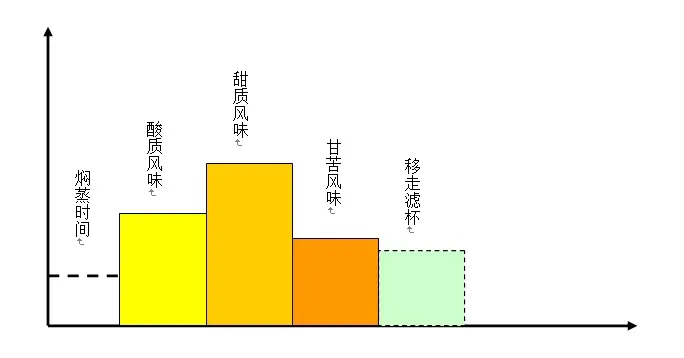
The flavors in coffee come from numerous compounds of varying molecular sizes, which differ in their dissolution rates and polarities. Generally speaking, the extraction process can be roughly divided into three stages: early, middle, and late. Acidity is usually the first to be released, followed by sweetness and bitterness components. Therefore, if a cup of coffee exhibits excessively sharp acidity, it is often because the sweetness and bitterness have not yet dissolved sufficiently, resulting in an imbalanced acid-to-sweet ratio—much like how a lemon can taste overly sour due to its extremely low sugar content.
If you want to adjust the taste to achieve a well-balanced sweet-and-sour profile, the key lies in allowing other flavor compounds besides acidity to also release moderately, thereby achieving overall balance. This is not complicated; simply by adjusting the three core parameters—grind size, extraction time, and water temperature—you can effectively improve extraction results.
First isGrind Sizesetting. The degree of grinding directly affects the contact area between coffee grounds and water, which in turn determines the efficiency of flavor compound release. Generally, the finer the grind, the larger the contact area and the faster the dissolution rate; conversely, it is slower. Achieving good extraction results hinges on selecting the appropriate grind size.
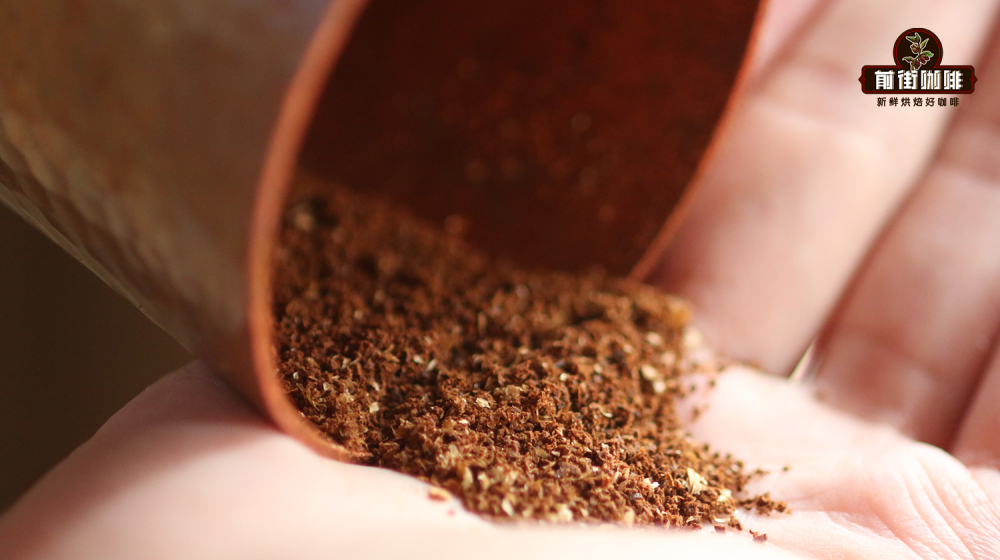
In practice, grind size needs to be considered comprehensively based on water temperature, time, and brewing method. For commonly used light-roast coffee, if you use a grind similar to caster sugar (approximately 75%–80% passing through a #20 sieve), paired with a water temperature of around 92°C and an extraction time of about 2 minutes, you can usually achieve a decent balance. If you don’t have a sieve at home, you can also adjust by actual tasting: if the flavors are too sharp, make the grind slightly finer; if there’s a noticeable bitterness, adjust the grind to be slightly coarser. It’s recommended to start slightly on the finer side for your first attempt, as light-roast coffee beans are denser and their flavor compounds are not easily released. As long as the final coffee bed isn’t excessively muddy, there usually won’t be serious over-extraction issues.
Next isExtraction Timecontrol. Another major cause of overly sharp acidity is often that the sweetness and bitterness haven’t dissolved sufficiently before extraction ends prematurely. Extending the extraction time can effectively increase the release of sweetness and bitterness components, thereby neutralizing the overly prominent acidity.
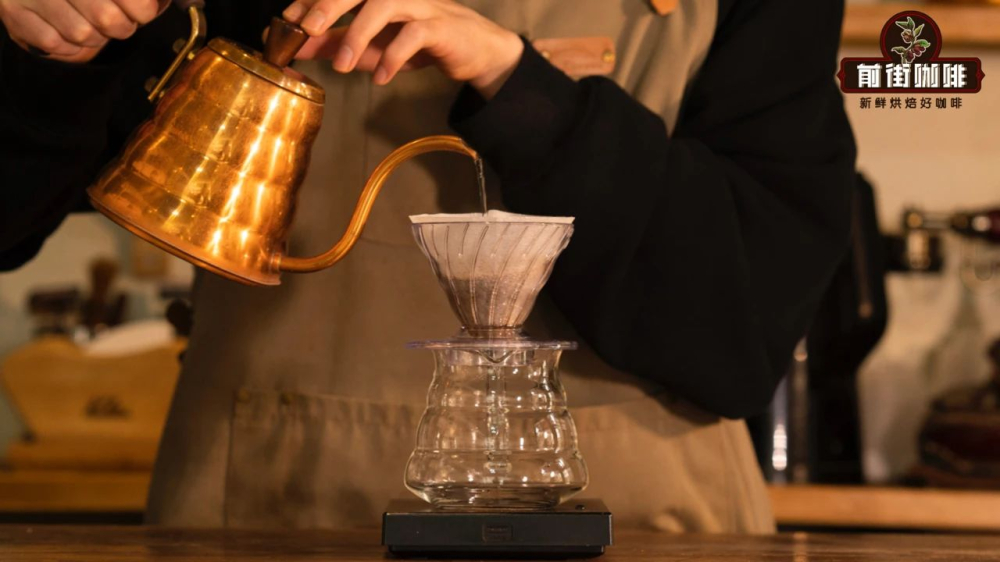
There are multiple ways to extend extraction. In addition to adjusting grind size, you can also achieve this by changing the filter cone or modifying the pouring technique. For example, choosing a filter cone with no ribs or short ribs and a smaller outlet hole diameter will naturally result in a slower flow rate due to the resistance caused by air bubbles as hot water seeps through, which helps prolong the overall extraction time.
Additionally, performing the pour in stages is also a practical technique. Compared to the “single pour” method where a large amount of hot water is poured all at once, a staged pour (such as a three-stage pour) takes longer overall because you have to wait for each batch of water to seep through. It is generally recommended to keep the extraction time between 2 minutes and 2 minutes 30 seconds. This range not only reduces the risk of over-extraction but also effectively avoids under-extraction, offering a higher margin for error.
Finally isWater Temperatureadjustment. Water temperature directly affects the dissolution rate of flavor compounds—the higher the temperature, the faster the dissolution; the lower, the slower. Many people brew light-roast coffee at home with insufficient water temperature, leading to inadequate extraction. For example, using hot water from an office water dispenser (usually around 85°C–88°C) to brew light-roast beans will rarely fully extract the sweetness and bitterness unless you significantly extend the time and make the grind much finer.
For light-roast coffee, it is recommended to set the water temperature between 90°C and 94°C, with the specific value fine-tuned according to other parameters. For instance, if the grind is coarser or the extraction time is shorter, you can appropriately raise the water temperature; conversely, you can slightly lower it. In practice, a certain team often uses about 92°C for extraction, a temperature that achieves good balance for most light-roast beans.
Combining the above three elements, the following shares a concrete case with specific parameters and operational steps to help readers more intuitively understand how to adjust for ideal extraction results.
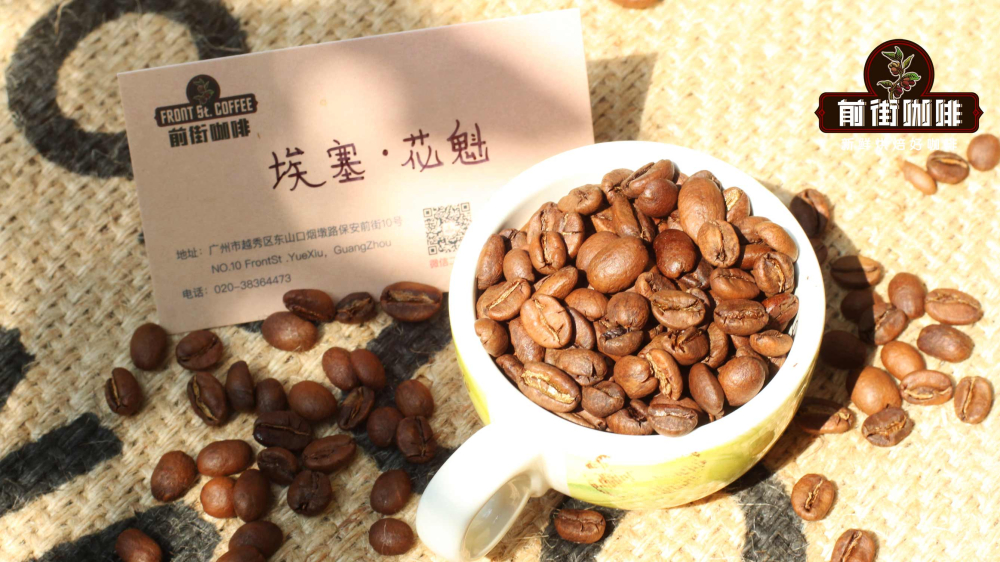
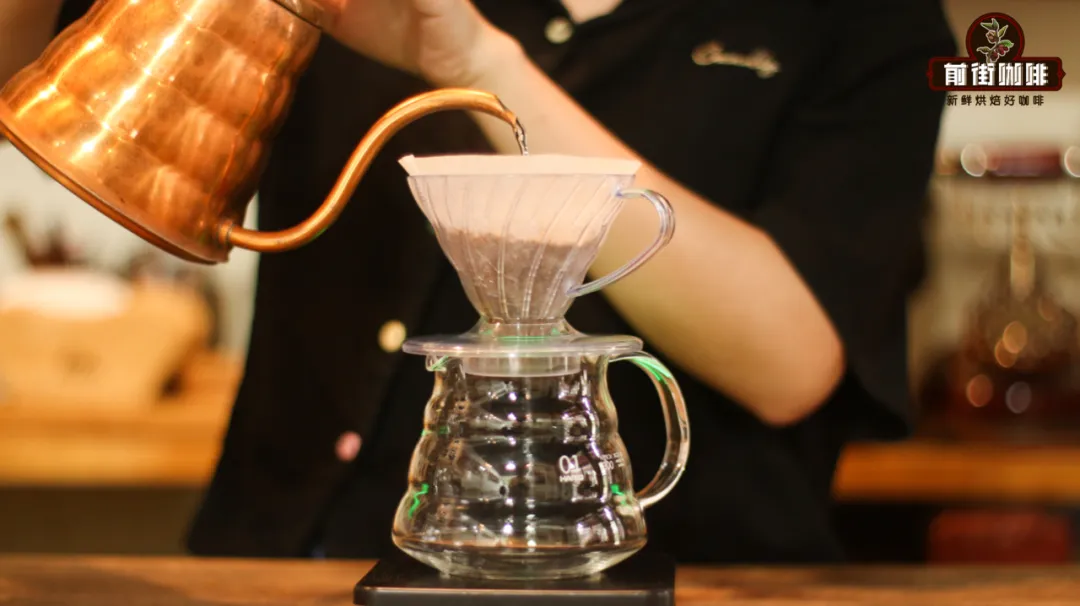
The coffee used in this demonstration is “Yirgacheffe · Guodingding,” grown at high altitude and processed with a light roast. The beans are dense and very suitable for demonstrating extraction adjustments for light-roast coffee. The following parameters were used for the pour over:
Dose: 15g
Coffee-to-water ratio: 1:15
Grind size: Ek43 grinder at setting 10, equivalent to 75% passing through a #20 sieve, caster sugar-like fineness
Water temperature: 92°C
Filter cone: V60
Brewing method: three-stage pour
Step 1: Bloom. Pour hot water equal to twice the dose (about 30ml) and let it bloom for about 30 seconds to help awaken the coffee grounds.
Step 2: First pour. After blooming, pour 120ml of hot water slowly in a medium stream (about 4–5ml/s), circling from the center outward. Due to the high density of these beans, it is recommended to control the water flow to avoid completely submerging the coffee bed and creating channeling, which helps extend the extraction time. If you’re not familiar with water control, you can also divide this stage into three smaller pours, evenly distributed, with a total time of about 30 seconds, and proceed to the next step after the liquid has fully drained.
Step 3: Second pour. Pour 75ml of hot water, again slowly in small circles from the center. Once poured, wait for the coffee to finish dripping through before removing the filter cone to end the extraction.
The total extraction time was approximately 2 minutes and 17 seconds. Although slightly longer than the conventional process, for dense, extraction-tolerant light-roast beans, this is not only safe but also helps achieve flavor balance.
Upon tasting, the first notes to emerge are fresh citrus and jasmine aromas, followed by vibrant red berry acidity and soft honey-like sweetness, with a lingering oolong tea-like aroma in the aftertaste. Overall, the cup presents a well-balanced sweet-and-sour profile with distinct layers.
In summary, when brewing light-roast coffee, there’s no need to overly worry about setting parameters to extremes. Most light-roast beans have good extraction tolerance—even with a slightly finer grind or slightly longer time, unpleasant negative flavors usually don’t arise. By carefully adjusting grind size, water temperature, and time, you too can easily brew at home with a delightful balance of sweetness and acidity.
The above content is compiled by CoffeeHunters, a coffee news website.


