







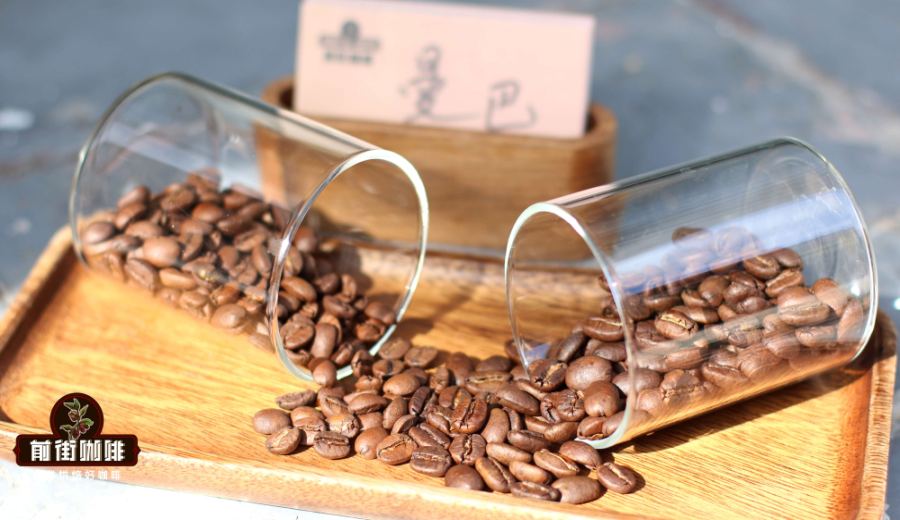
Introduction:The Mamba blend combines the depth of Sumatra Mandheling with the sweetness of Brazilian coffee — a classic combination beloved by many coffee enthusiasts. This article delves into its recipe composition, roast level, and espresso extraction parameters, while also providing a step-by-step guide to making a hot latte, allowing you to brew at home a Mamba-style coffee with rich crema and layered flavors.
Mamba coffee is a classic blend that fuses Sumatra Mandheling with Brazilian beans, meticulously crafted by Taiwanese roasters. This formula uses the bold richness of Mandheling as its base, paired with the natural sweetness and smooth mouthfeel of Brazilian beans, effectively softening the herbal and earthy notes often found in Mandheling, while balancing the overall bitterness to create a harmonious and multi-dimensional coffee experience. To help coffee lovers recreate this classic at home using their own equipment, many roasters offer espresso blends primarily made with Mandheling and Brazilian Cerrado Red Bourbon. These blends are medium-dark roasted to highlight flavors of dark chocolate, nuts, and caramel, with a touch of Robusta added to enhance crema, enabling even beginners to easily brew a representative Mamba flavor.
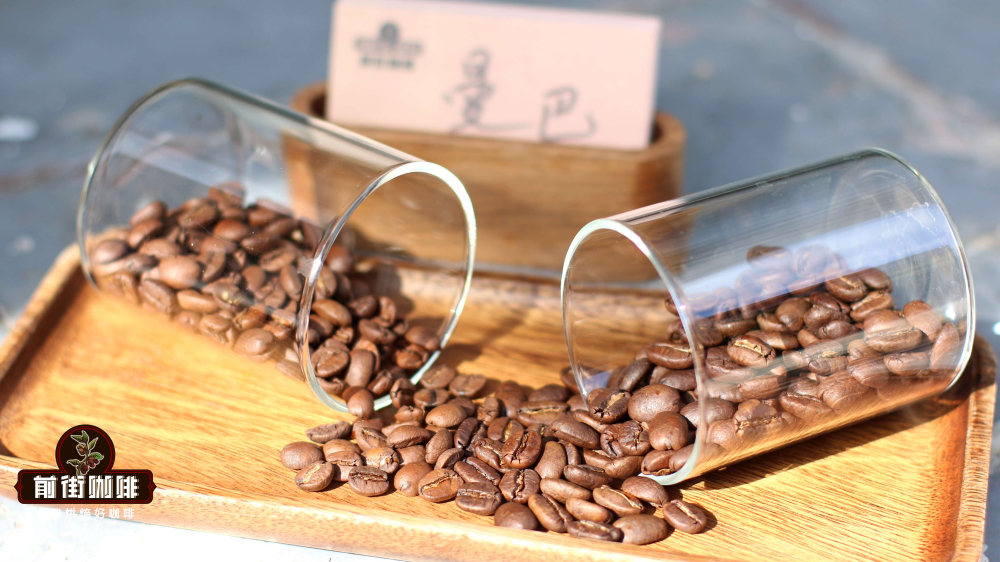
This blend falls under the category of coffee blends, composed of G1-grade Mandheling from Sumatra and Red Bourbon from Brazil’s Cerrado region. Both beans are medium-dark to dark roasted to accentuate their unique characteristics — Mandheling brings intense earthy and spicy notes, while the Brazilian beans offer pronounced caramel sweetness and a soft body. Through precise proportioning, the final blend is well-suited for use in espresso machines or moka pots, retaining the personality of Mandheling while incorporating the smoothness of Brazilian beans, resulting in an espresso with balanced flavors and rich crema.
An ideal Mamba-style espresso should have a rich, golden-hued crema. To enhance this effect, some blend recipes include a small amount of Robusta beans and employ a deeper roast level, pushing the aroma of dark chocolate, nuts, and caramel to the extreme. Such processing allows even novice coffee enthusiasts to brew a coffee with strong Mandheling character through simple extraction steps.
In practice, extracting espresso with this blend is straightforward. It is recommended to use about 20 grams of coffee grounds and extract 40 grams of espresso within 25 to 30 seconds using an espresso machine. These parameters fully bring out the deep flavors of the beans while maintaining a moderate body and acidity. The resulting espresso should be topped with a layer of crema featuring a clear gradient from dark to light gold, exuding intense aromas of caramel and nuts. As this type of dark-roasted coffee has a rich and heavy flavor profile, many coffee lovers prefer to enjoy it as a latte, which not only showcases latte art but also balances the intense taste of the coffee with the smoothness of milk.
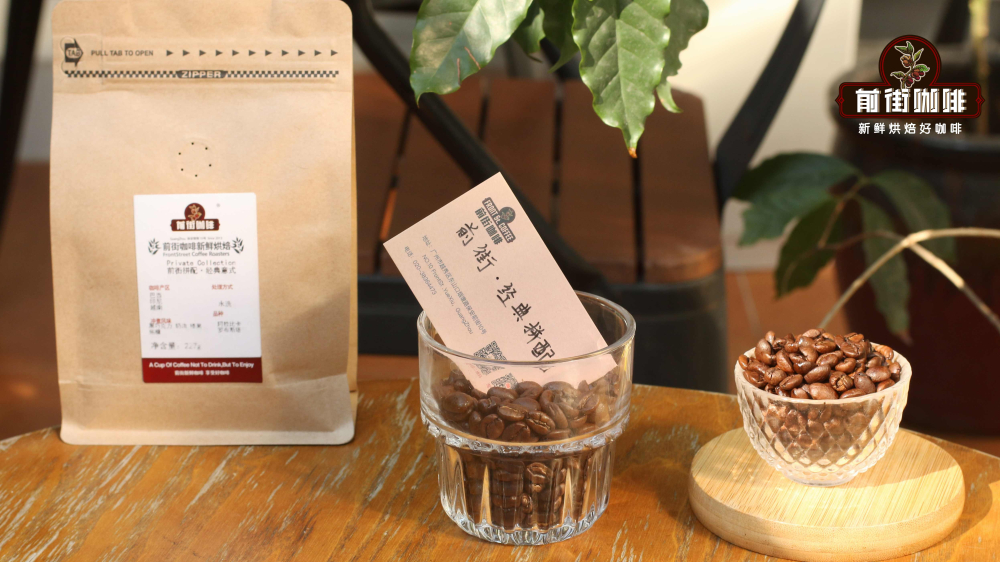
To make a Mamba-style hot latte, start by preparing a cup with a capacity of about 30 ml and pour in a double shot of espresso (around 40 ml). Next, steam 240 ml of fresh milk to a moderately warm temperature, controlling the milk foam thickness to around 0.5 cm for easier latte art. Finally, combine the espresso and milk evenly and finish with an appealing pattern using the milk foam to complete a Mamba-flavored latte that is both visually and gustatorily satisfying.
This Mandheling- and Brazilian bean-based blend, once brewed into a hot latte, delivers an immediate burst of buttery and caramel aromas upon the first sip, accompanied by sweet layers reminiscent of chocolate milk, along with a silky texture from the fine milk foam. The overall flavor is rich and well-balanced. For users aiming to replicate the classic Mamba flavor at home, mastering the correct extraction time, coffee-to-water ratio, and paying attention to the storage and freshness of the coffee beans are all key factors that influence the final flavor outcome.
A special reminder: if you want to extract an espresso with rich crema and pronounced aroma, in addition to choosing the right blend, the roast date of the coffee beans is crucial. It is generally recommended to use freshly roasted beans within 5 days of roasting and to use them as soon as possible after receiving to achieve the best extraction results and flavor performance. With stable quality and reasonable cost-performance, these blends are suitable choices for both beginners and advanced coffee enthusiasts.
The above content is compiled by CoffeeHunters, a coffee news website.


