








Introduction:Yirgacheffe is the starting point for many coffee beginners exploring specialty coffee, beloved for its unique bright acidity and floral-fruit aromas. This article delves into the characteristics of the Yirgacheffe region, compares the flavor differences between sun-dried and washed processing methods, and provides practical V60 pour-over recommendations for parameters and brew ratios to help you brew a balanced, layered, and non-bitter Yirgacheffe coffee.
Yirgacheffe (Yirgacheffe) is arguably one of the classic regions in the hearts of global specialty coffee enthusiasts. Its distinctive bright acidity, delicate floral notes, and refreshing aftertaste leave a lasting impression, completely changing many people’s preconceived notion that coffee is only bitter. This small town in Ethiopia is not only a staple on the menus of many coffee shops but also an iconic choice for those seeking origin-specific flavors.
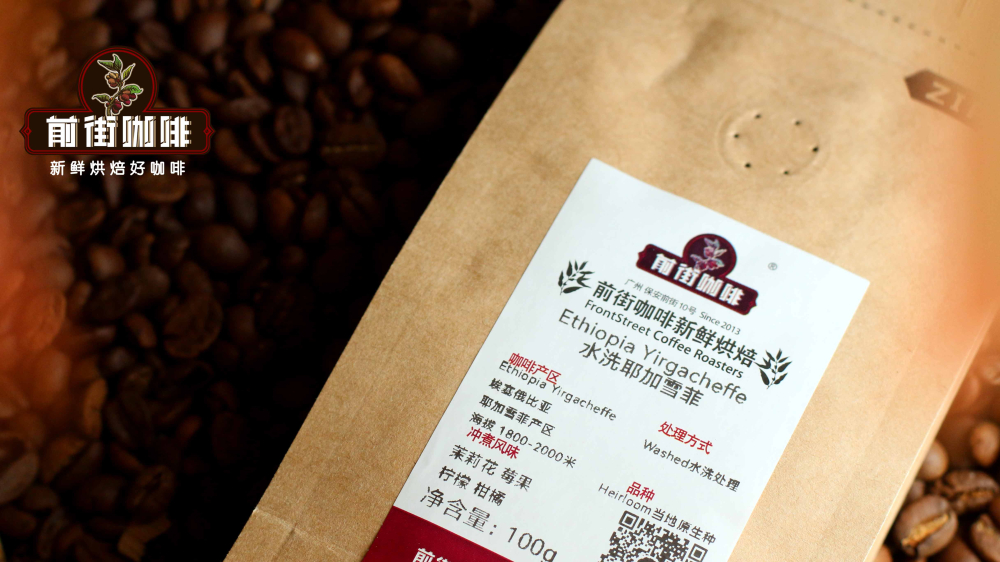
What exactly is the charm of Yirgacheffe that allows it to remain unshaken in the specialty coffee scene? The answer lies in its highly recognizable regional terroir: high-altitude cultivation gives the beans bright fruit acidity, delicate floral notes, and a tea-like aftertaste, making it ideal for drinkers who prefer a clean and refreshing taste. Whether you’re a pour-over novice or a coffee enthusiast looking to try new beans, understanding Yirgacheffe’s processing methods and brewing tips will allow you to appreciate its charm more deeply.
Yirgacheffe Region Introduction: High Altitude and Microclimate Cultivate Unique Flavors
Yirgacheffe is located in Ethiopia’s Sidamo region, on the eastern edge of the East African Rift Valley, at an altitude of approximately 1700 to 2400 meters, with an average annual rainfall of about 1300 millimeters. Such geographical and climatic conditions create a unique microclimate, and the mineral-rich soil gives the coffee beans produced here extremely high flavor potential. Because its flavors are so outstanding, it was eventually designated as the separate Yirgacheffe region from Sidamo, becoming one of Ethiopia’s most important specialty coffee regions.
It’s worth noting that the Ethiopian Commodity Exchange (ECX) no longer defines “Yirgacheffe coffee” solely by origin but rather classifies it based on flavor characteristics. In other words, as long as coffee beans exhibit the typical Yirgacheffe profile during cupping—even if they also come from Ethiopia—they may be categorized under this classification, provided they are indeed grown within the country’s borders.
Sun-Dried vs Washed Processing Methods: A Detailed Analysis of Flavor Differences
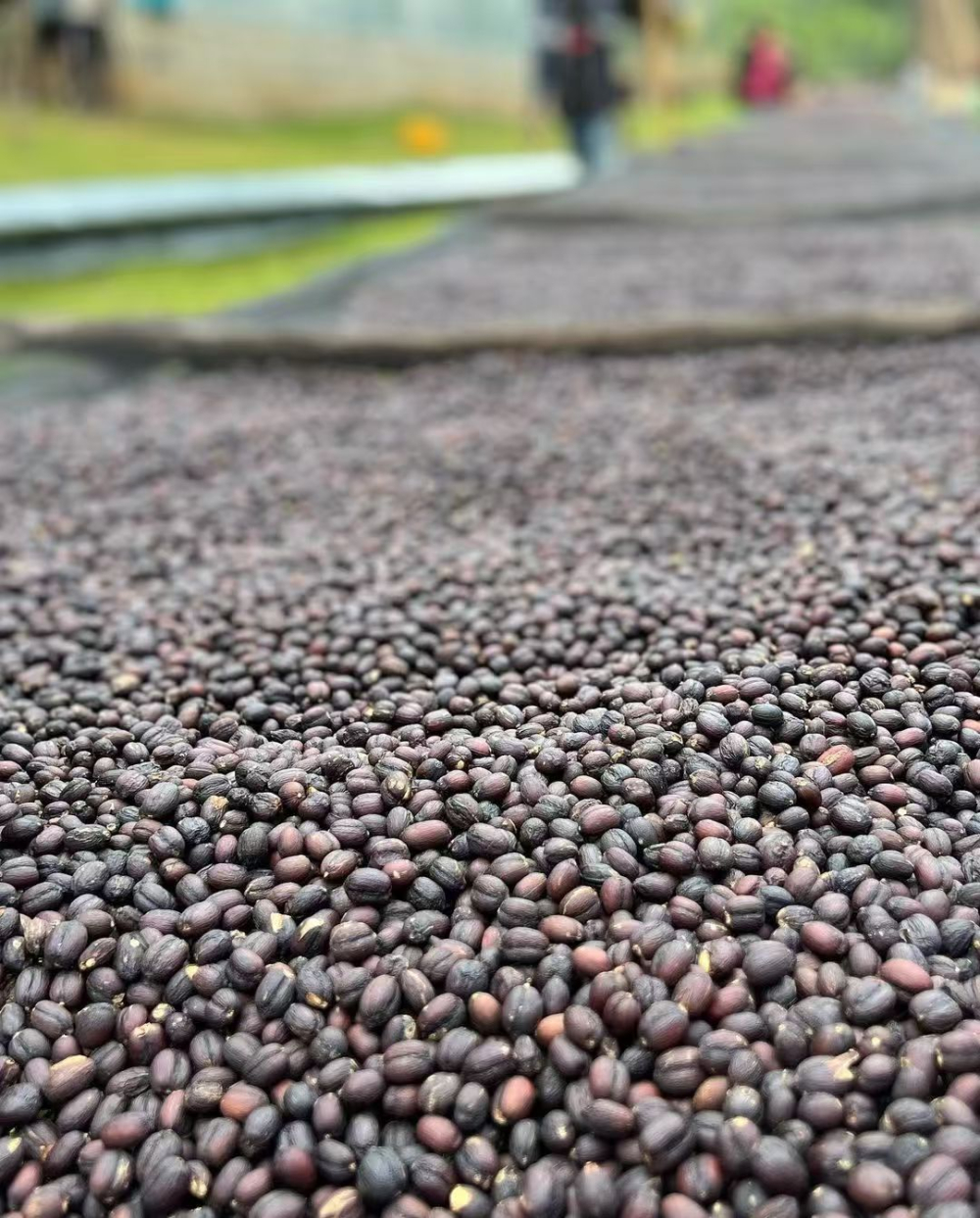
The processing method of Yirgacheffe coffee has a significant impact on its final flavor. In the early days, the traditional sun-dried method was commonly used locally, where harvested coffee cherries were directly exposed to sunlight. While this method preserved rich fruity flavors, it also easily introduced impurities and earthy tastes. It wasn’t until 1972 when Ethiopia introduced washed techniques from Central and South America—removing the pulp and fermenting to remove the mucilage before drying—that the cleanliness and acidity of the coffee were greatly improved.

Washed Yirgacheffe typically exhibits clear citrus and lemon-like acidity, paired with delicate floral notes and a tea-like aftertaste, offering a clean and layered taste profile, making it the top choice for many specialty coffee enthusiasts. In contrast, sun-dried Yirgacheffe presents more intense fruitiness, with a more pronounced sweetness, softer acidity, and distinct berry and tropical fruit notes, resulting in a more complex and layered overall flavor.
Sun-Dried Red Cherry vs Washed Guji Dingding: Cupping Comparison of Two Processing Methods
Through actual cupping comparisons, sun-dried Yirgacheffe (such as the Red Cherry Project launched by a well-known coffee brand) emits rich fruit aromas in the dry scent, with sweet notes of strawberry, mango, and apricot jam, while the wet aroma resembles syrupy apricot pulp. Upon tasting, it has medium body, akin to fruit-infused black tea, with noticeable sweetness and a long-lasting aftertaste.
In contrast, washed Yirgacheffe (such as the Guji Dingding Cooperative launched by a well-known coffee brand) showcases a distinctly different style: the dry scent carries fresh passion fruit and citrus tones, with a clear wet aroma. Upon tasting, the acidity is bright, accompanied by berry aromas and a slight almond note, with a notable tea-like quality and a hint of honey sweetness in the aftertaste, delivering an overall clean and refreshing mouthfeel.
How to Brew Yirgacheffe to Achieve Ideal Flavor? Practical Pour-Over Parameters and Techniques
Many coffee beginners report that their brewed Yirgacheffe lacks aroma or even has astringency, which is often related to the bean freshness, grind size, water temperature, and brewing technique. To fully showcase Yirgacheffe’s terroir, it’s recommended to choose lightly roasted beans and ensure they are used within 5 days post-roast for optimal flavor expression.
Since Yirgacheffe is a light roast bean, it is recommended to use water at 92 to 93°C for extraction, which can effectively highlight the floral-fruit aromas and acidity. For grind size, it is recommended to use medium-fine grind (approximately 78% passing through a #20 sieve, similar in size to fine sugar grains). Too coarse a grind may lead to under-extraction and a flat flavor, while too fine may cause over-extraction and result in bitterness.
For brewing equipment,the V60 dripper is one of the tools that best highlights Yirgacheffe’s aroma and layers, with its flow rate design helping to balance extraction, making it suitable for those seeking a clean flavor profile.
Recommended V60 Pour-Over Parameters and Steps
Below are the practical V60 pour-over settings recommended for most Yirgacheffe coffee beans:
- Dripper:V60
- Water Temperature:92–93°C
- Coffee Dose:15 grams
- Brew Ratio:1:15 (total water volume approximately 225 grams)
- Grind Size:Medium-fine, similar to fine sugar (approximately 78% passing through a #20 sieve)
Step Recommendations:
- Preheat your equipment and dripper, add coffee grounds, then gently bloom. For the first pour, add 30 grams of waterand bloom for about 30 seconds.
- Then pour 95 grams of water(totaling approximately 125 grams), controlling the time to about 1 minute. When the water level drops to two-thirds of the coffee bed,
- continue pouring 100 grams of water(totaling approximately 225 grams), finishing the pour at around 1 minute 35 seconds .
- Allow it to drip and draw down, with the total extraction time being about 2 minutes 10 seconds, then remove the dripper and enjoy.
By mastering the above points, you can also easily brew a cup of Yirgacheffe pour-over coffee at home with clear flavor, balanced acidity and sweetness, and distinct layers, experiencing the unique charm of Ethiopia’s highlands.
The above content is compiled by CoffeeHunters, a coffee news website.


