







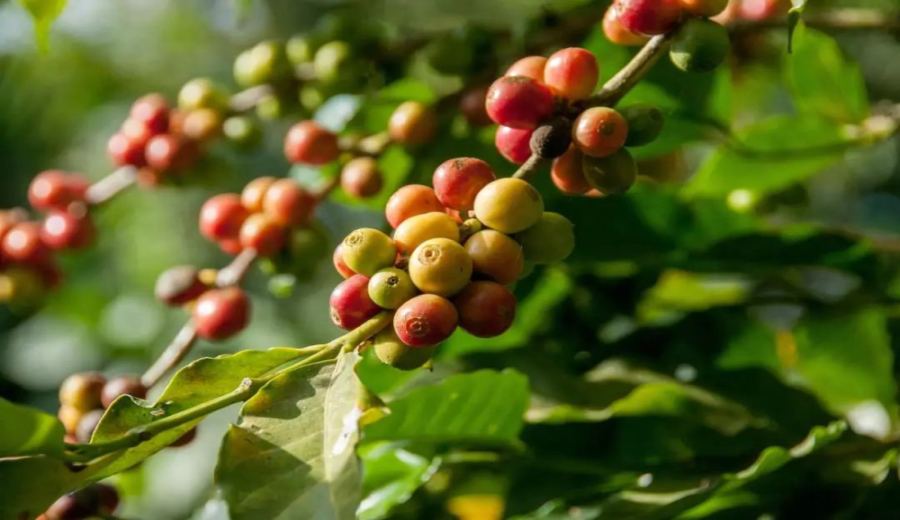
Introduction:Arabica coffee is the most popular coffee variety in the world, accounting for over 70% of the market share. This article will take you on an in-depth exploration of the origin of the name "Arabica," the ideal environmental conditions for its growth, and the unique flavor characteristics of major global producing regions such as Ethiopia, Colombia, and Brazil. Whether you’re a coffee beginner or someone looking for a daily drinker, you’ll gain insights into bean selection and brewing references.
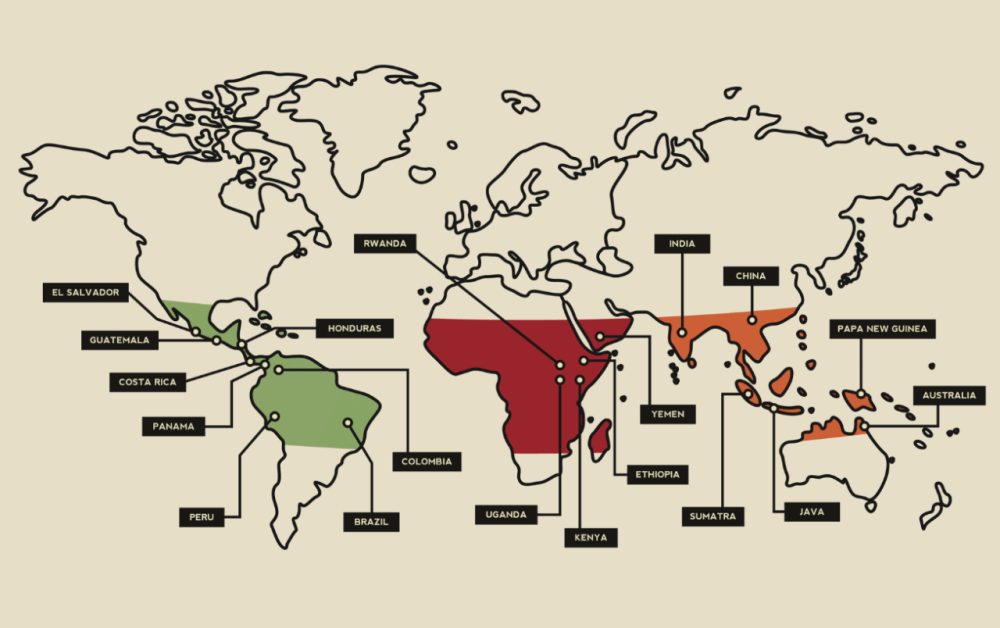
Coffee trees are tropical crops with very high environmental requirements. Ideal growing conditions can only be found within the "coffee belt" between 25 degrees north and south of the equator. Among the many coffee varieties, Arabica stands out due to its elegant flavors and rich aromas, making it the most widely cultivated coffee species globally, accounting for about 70% to 75% of total coffee production. However, this variety is extremely particular about altitude, temperature, and soil quality, meaning not all coffee-growing regions are suitable for its cultivation.
Arabica originated in Ethiopia, Africa, where it was first discovered at high altitudes before gradually spreading worldwide. Compared to Robusta, Arabica not only has a lower caffeine content (about 0.9% to 1.2%), but also significantly higher fat and sugar content. As a result, it offers a smoother and sweeter taste with noticeable fruity acidity, making it suitable for various brewing methods, including pour over, espresso, and cold brew.
To truly understand Arabica, one must first grasp its ideal growing environment. This coffee tree thrives at elevations of 900 to 2,200 meters, in cool and stable climates with significant day-night temperature variations that help the coffee cherries ripen slowly and accumulate more flavor compounds. The soil should be well-drained and rich in organic matter, ideally with some shade to protect the plants from excessive sunlight and stress.
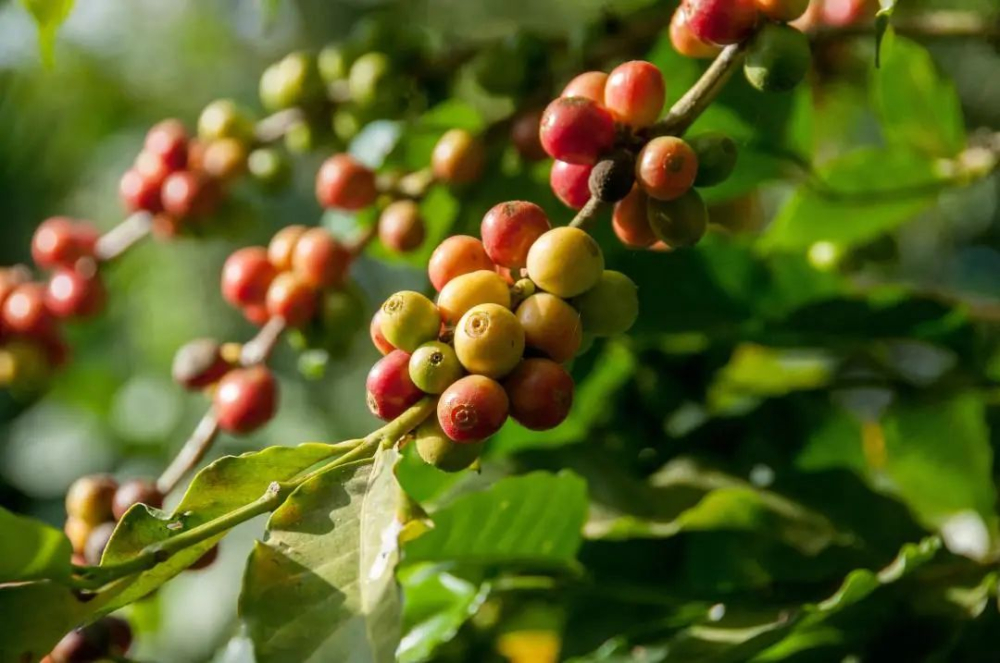
Globally, Arabica coffee is primarily grown in three major regions: Latin America, Africa, and Asia & the Pacific. Each producing area, due to differences in geography, climate, and processing methods, yields distinct coffee flavor profiles. Next, we’ll focus on seven representative origins—from South America’s Brazil and Colombia, to Central America’s Guatemala and Costa Rica, then to Asia’s Sumatra (Indonesia) and Yunnan (China), and finally back to the birthplace of coffee—Yirgacheffe in Ethiopia, Africa.
In Latin America, Brazil is the largest coffee producer. Although overall elevations are not high, certain areas such as the Cerrado region in Minas Gerais (at 800–1,300 meters) still manage to produce representative Arabica coffee. The Cerrado features a distinct climate and mineral-rich fertile soils. Its coffee often exhibits smooth textures reminiscent of nuts, cream, and chocolate, with balanced overall flavors and classic Brazilian characteristics, making it a key base for many blends.
Colombia’s Huila region is located at the southern foothills of the Andes Mountains, at elevations exceeding 1,500 meters. Due to its variable climate and stable seasonal rainfall, coffee cherries are able to ripen slowly. Coffee here is mainly washed processed, commonly featuring the Caturra variety. Flavor-wise, it presents bright acidity, full-bodied nutty aromas, and a pleasant chocolatey aftertaste, making it a typical representation of Colombia’s specialty coffee.
In Central America, Guatemala’s Huehuetenango is situated in a high-altitude volcanic zone, reaching up to 2,000 meters, and is the main producing area for the country’s SHB (Strictly Hard Bean) classification in its coffee grading system. Coffee from this region excels in washed processing, showcasing clear flavors often marked by floral notes, berry acidity, and honey-like sweetness, with layered complexity suited for coffee lovers who enjoy intricate taste profiles.
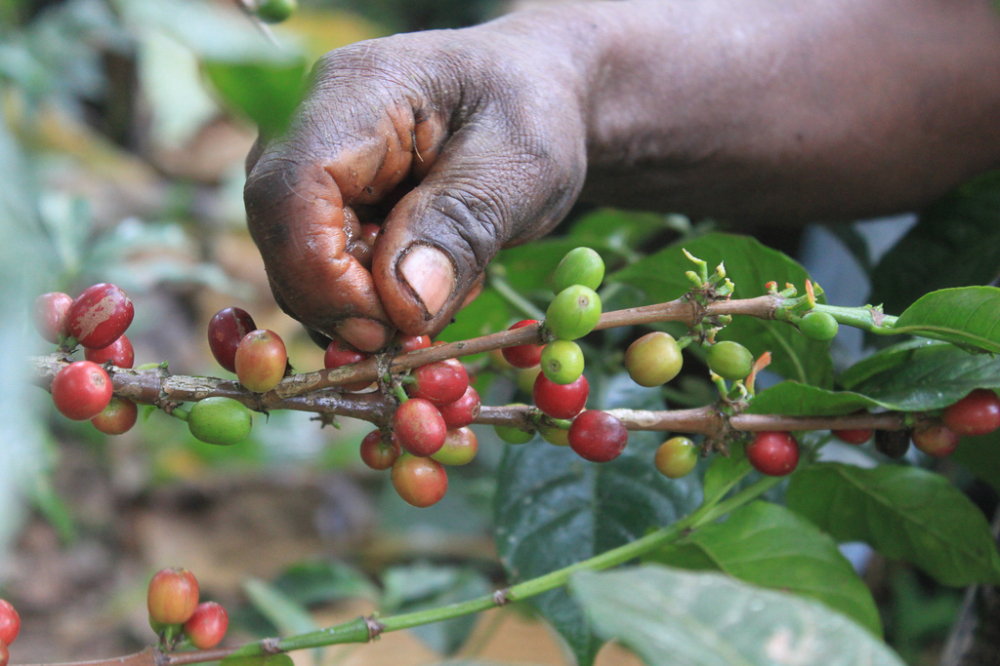
Costa Rica’s Tarrazú region is located in the highland areas south of the capital, San José. It boasts fertile volcanic soils and a stable microclimate, typically at elevations above 1,500 meters, making it a prime region for Strictly Hard Beans. The area generally employs manual harvesting and meticulous processing methods, along with a blend of Caturra and Catuaí varieties, resulting in a balanced flavor profile with notes of nuts, cream, and sweet orange—ideal as a daily drinker.
Turning to Asia, Indonesia’s Sumatra region, particularly the Mandheling coffee from the Lintong area, is a major source. This region is known for its wet-hulling (Giling Basah) process, which shortens drying time and imparts intense herbal, spicy, and woody aromas, alongside low acidity, a heavy body, and black chocolate notes—making it a favorite among dark roast enthusiasts. Common medium-dark roasts further highlight its rich character.
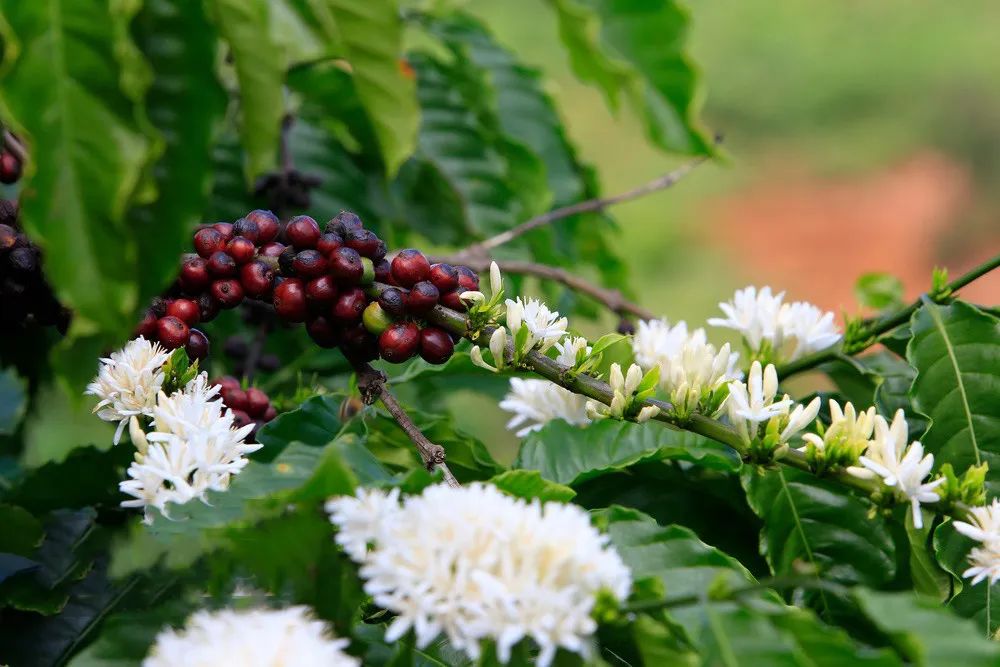
In China’s Yunnan province, areas like Baoshan and Lincang are suitable for growing small-bean coffee varieties due to their geography and climate. In recent years, the quality has gradually gained market recognition. Around Baoshan’s Ludianba region, the dry-hot valley climate with significant day-night temperature differences produces coffee with flavors of nuts, chocolate, and brown sugar, offering a smooth mouthfeel and a sweet aftertaste. Yunnan daily drinkers processed via washed methods offer good cost-performance and are suitable for everyday drinking.
Finally, we return to the birthplace of coffee—Yirgacheffe in Ethiopia. This high-altitude region (over 2,000 meters) is renowned for its washed Yirgacheffe coffee, which delivers highly distinctive flavor profiles. Often characterized by bright citrus, blueberry, or jasmine-like aromas, its acidity is delicate and layered, making it one of the classics beloved by global specialty coffee enthusiasts and a top choice for many pour-over beginners.

In summary, the charm of Arabica coffee lies in its diverse flavor potential, all stemming from the unique geographical and climatic conditions of its producing regions. Whether you’re just beginning to explore the world of coffee or aiming to expand your selection of daily drinkers, starting with an understanding of these representative origins can help you gradually find the coffee flavors that best suit your palate.
The above content is compiled by CoffeeHunters, a coffee news website.


