








Introduction:Want to make a refreshing cold brew coffee at home that’s sweet, tangy, and smooth, but confused about the coffee-to-water ratio, grind size, or which beans to use? This article will explain the extraction principles of cold brew in detail, offer two practical coffee-to-water ratios—1:13 and 1:10—and take you step by step through ice and water distribution, ideal grind level, steeping time, and filtration using 30 grams of coffee beans as an example. It also warns against flavor flaws caused by over-extraction. In addition, we’ve selected four coffee beans perfect for cold brew to help you easily brew rich and balanced iced drip coffee.
As autumn arrives, although daytime temperatures gradually cool down, the afternoon sun remains scorching. During this time, pour over coffee can easily leave your throat feeling dry, so switching to a cool and refreshing cold brew as your daily coffee treat has become the top choice for many coffee enthusiasts. However, for those trying cold brew for the first time, common questions include: how much water should be used for how much coffee grounds? How fine should the coffee beans be ground? And which bean varieties are suitable for cold brewing? Below, we’ll delve into these key issues and guide you through the essentials of making cold brew coffee.
Cold brew coffee is made through slow extraction over a long period at low temperatures. Due to the lower extraction temperature, compounds that typically cause bitterness are less likely to be released. In contrast, acidity and sweetness can gradually emerge over time, resulting in a coffee that is more concentrated, layered, smooth, and mellow in flavor. For this reason, compared to traditional hot brewing methods, cold brew often delivers a fresher sweet-and-tangy profile with a higher drinkability.
Regarding the coffee-to-water ratio, beginners are recommended to start with1:13a 1:13 ratio, meaning 1 gram of coffee grounds to 13 milliliters of total liquid (including ice and water). For example, using 30 grams of coffee beans, the total liquid (ice and water combined) would be 390 milliliters. This ratio yields a cold brew with moderate strength that can be enjoyed directly without further dilution. If you plan to use the cold brew as a base for specialty drinks—such as adding milk, soda water, or crafting flavored coffee cocktails—you might consider increasing the concentration to1:10a 1:10 ratio to create a bolder and more pronounced coffee foundation.

In practice, if you’re using a 1:13 coffee-to-water ratio, it’s suggested to use 30 grams of coffee beans and set the grind size to a medium-fine level, roughly equivalent to about 80-85% passing through a standard sieve—somewhere between medium and fine for pour over. However, it’s important to note that although low temperatures help suppress the release of overly bitter flavors, grinding too finely can still accelerate the extraction of acidic and sweet compounds, potentially leading to undesirable woody or earthy notes later on, and reducing the overall clarity and cleanliness of the drink. Therefore, properly controlling the grind size and steeping time is key to achieving the best final flavor.
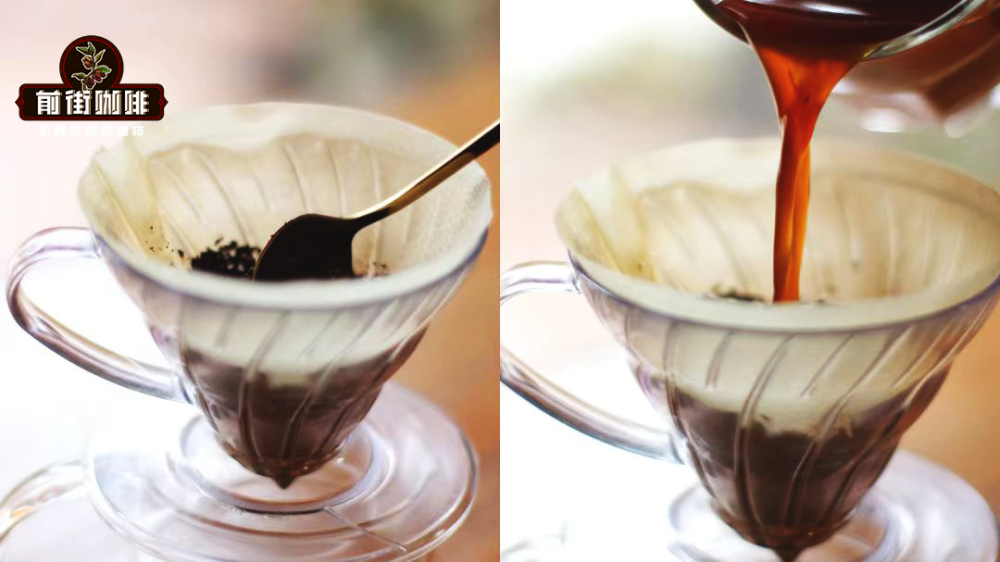
After preparing the coffee grounds, place them in a clean, oil-free, airtight container, add about 150 grams of ice and 240 milliliters of purified water, gently shake to evenly mix the coffee grounds and ice water, then refrigerate and let it steep for12 to 24 hours. The steeping time can be adjusted slightly according to personal taste—if you prefer a stronger flavor, you can extend it a bit, but it’s best not to exceed 24 hours to avoid over-extraction. Once extraction is complete, carefully filter out the coffee grounds using filter paper or a fine mesh strainer, and your cold brew is ready to enjoy.
After filtration, it’s recommended to consume the cold brew within2 to 3 daysfor the best flavor experience. While refrigeration can extend its shelf life, over time, the coffee may gradually develop a fermented taste, which, if not controlled well, can mask the originally elegant flavor layers. Therefore, unless you particularly enjoy a fermented profile, it’s advisable to drink it sooner rather than later and try not to keep it for more than 7 days.
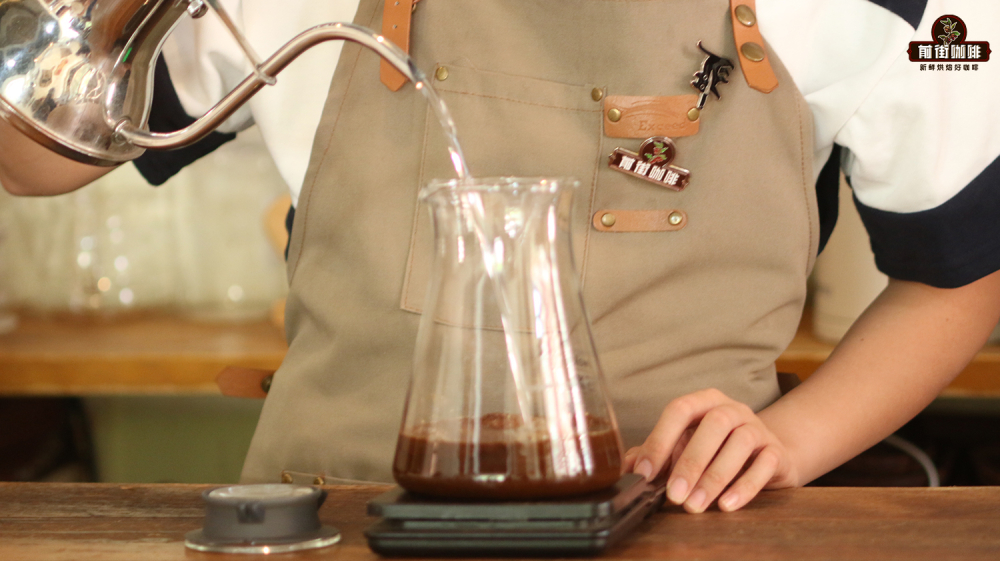
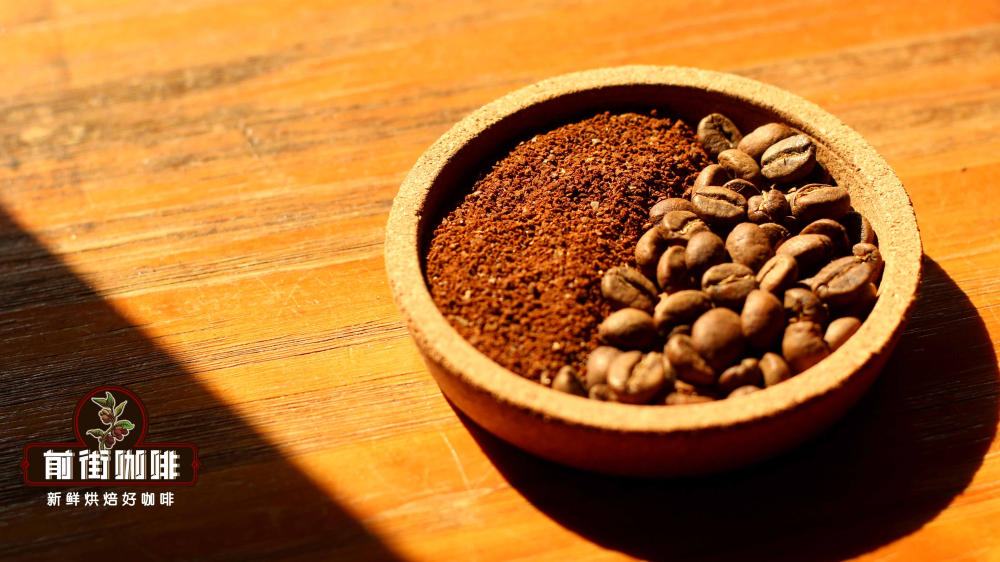
As for bean selection, because the cold brew process doesn’t easily extract bold body flavors, it’s recommended to prioritizemedium-light or medium roastedcoffee beans. These beans usually have more pronounced acidity and aroma, allowing them to showcase richer flavor layers under low-temperature extraction. Dark-roasted beans may perform well in hot brewing, but in cold brew they often come across as thin, lacking structure and body.
We recommend four coffee beans that are well-suited for cold brewing: First is Ethiopia Sun-Dried Red Cherry, whose cold brew reveals a rich complex fruit juice character along with a tea-like, malty depth reminiscent of black tea; next is Panama Flower Butterfly Gesha Blend, offering bright citrus acidity, elegant white floral notes, and subtle green tea undertones; third is Costa Rica Musician Series Mozart, which after cold brewing emits distinct raisin aromas, with a solid mouthfeel and enchanting fermented notes; lastly is Honduras Wine Barrel-Fermented Sherry Bean, delivering a smooth vanilla creaminess, a mellow whiskey-like aroma, and an irresistible caramel sweetness.
The above content is compiled by CoffeeHunters, a coffee news website.


