







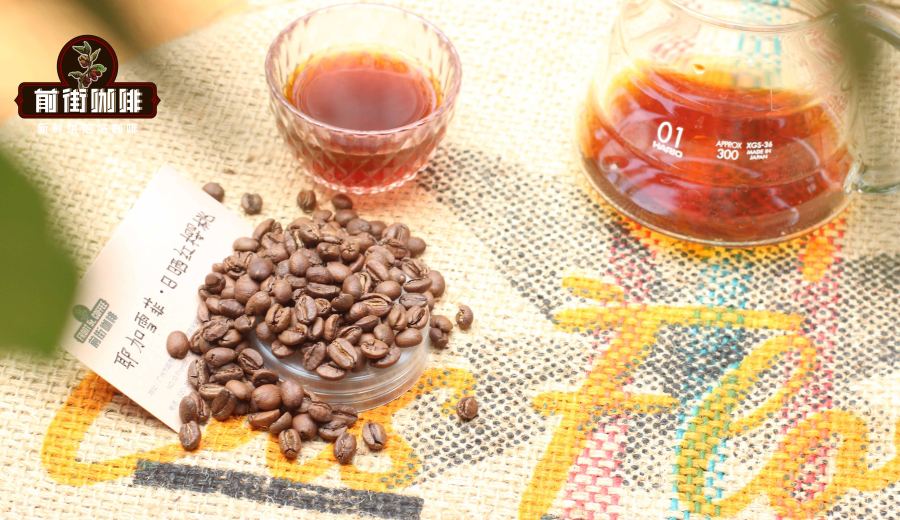
Introduction:The sundried G1 Red Cherry from the Konga Cooperative in Yirgacheffe is one of the representatives of Ethiopian highland coffee. From meticulous fruit selection to elevated-bed sun drying, every step influences the final flavor. This article delves into its processing methods, compares it with the washed process, and provides detailed product information and pour over parameters to help you fully understand this popular coffee from origin to cup.
The sundried G1 Red Cherry produced by the Konga Cooperative in Yirgacheffe can be regarded as a classic among Ethiopia’s specialty coffees. The reason this coffee has received widespread acclaim lies in the cooperative’s uncompromising standards in green bean processing: starting with the manual harvesting of only fully ripe coffee cherries, every step is rigorously controlled. First, pickers select only those cherries that are deep red in color and fully mature, followed by multiple screenings, including size grading by aperture, density sorting, and even the use of electronic weighing systems, ensuring that each bean is consistent in size and maturity.
Elevated-Bed Sun Drying: The Key to Flavor Formation
The sorted coffee cherries are then transferred to elevated drying beds for sun drying. This traditional method requires continuous turning of the cherries to ensure even heat exposure, typically taking more than two weeks until the moisture content is reduced to a safe level. During this period, the sugars and aromatic compounds in the pulp gradually seep into the seeds, creating unique sweetness and fruity notes. The image illustrates a typical scene during the sun drying process, which is also a crucial stage in shaping the flavor profile of this coffee.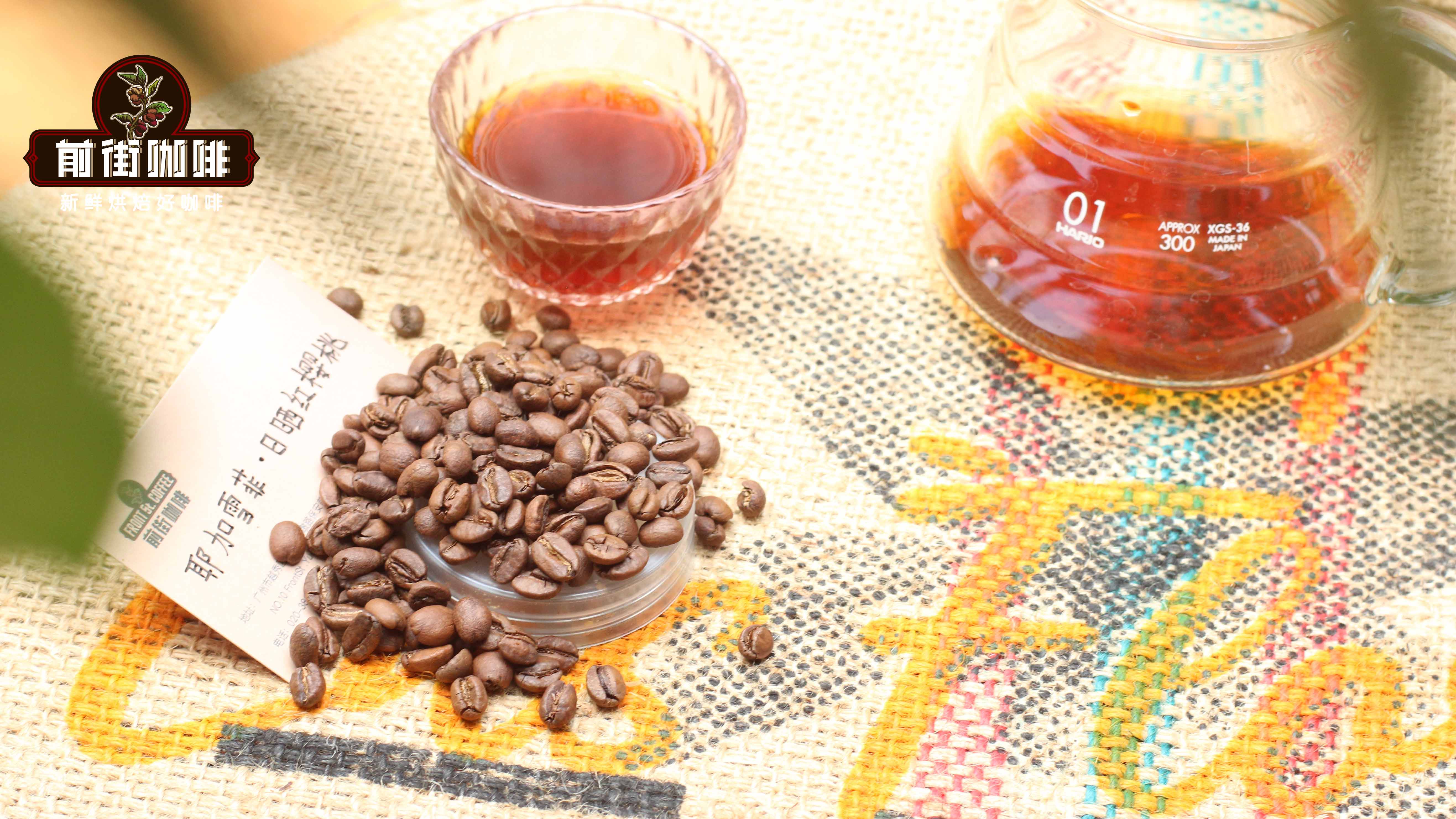 showcases a typical moment during the sun drying process, a vital phase in forming the flavor foundation of this coffee.
It is precisely because of these elaborate and meticulous processing steps that the renowned “Yirgacheffe flavor” is born—bright floral notes, especially jasmine and citrus acidity with distinct layers, often accompanied by the sweetness of peaches and apricots, as well as a tea-like clean aftertaste.
Sun-Dried vs. Washed: Flavor Profiles of the Two Processing Methods
In addition to sun drying, the Konga Cooperative also employs the washed processing method, a technique first introduced to Ethiopia from Central and South America in 1972. Compared to sun drying, washed processing removes the pulp and undergoes fermentation to remove mucilage, highlighting the coffee’s cleanliness and bright acidity, making it particularly suitable for showcasing Yirgacheffe’s signature citrus and jasmine profiles. However, if you prefer a richer, fruit-forward flavor, the sun-dried Konga G1 Red Cherry is a more captivating choice.
In recent years, Ethiopia’s sun drying techniques have become increasingly refined, with many batches performing on par with premium washed coffees. If you want to experience more intense tropical fruit aromas, consider trying other renowned sun-dried offerings, such as the Grana Estate sundried Geisha from a well-known roastery, whose rich fruitiness and complete pulp fermentation process are also highly suitable for pour over brewing.
Origin and Processing Details of Konga G1 Red Cherry
This stunning sundried G1 Red Cherry comes from the small village of Konga in the Yirgacheffe region, managed and processed uniformly by the local cooperative. The growing area sits at an altitude between 1800 and 2000 meters, where the significant day-night temperature variation helps the coffee cherries ripen slowly, accumulating richer flavor compounds. In terms of variety, the local heirloom (Heirloom) is used—a genetically diverse type that is also a key reason for the diverse flavor profiles of Ethiopian coffee.
In terms of processing, the Konga Cooperative adheres to traditional sun drying, which means the whole coffee fruit with its husk is directly exposed to the sun, rather than removing the pulp first. This approach preserves more fruit sugars and aromas, resulting in a final cup that exhibits intense tropical fruit, blueberry, mango, and citrus tones, along with honey-like sweetness and a creamy, silky mouthfeel.
Flavor Description and Pour Over Recommendations
The flavor profile of this Konga G1 Red Cherry is remarkably clear: upon opening the bag or during brewing, you can immediately detect bright blueberry and mango aromas, followed by a mix of citrusy brightness and honey-like sweetness, with a finish that carries a hint of creamy texture and a tea-like aftertaste. The overall profile is balanced and layered, making it ideal for coffee lovers who enjoy fruit-forward, sweet-and-acidic profiles.
For brewing recommendations, it is advised to use beans roasted to a medium-light level, ground to a medium-fine consistency (about the size of fine sugar granules), with water temperature controlled between90~92°C. For pour over, a 1:15 coffee-to-water ratio can be used, such as 15 grams of coffee to 225 milliliters of water, brewed in two to three pours, with a total extraction time recommended to be within 2 minutes and 15 seconds to 2 minutes and 45 seconds. Avoid over-extraction to prevent excessive acidity or papery flavors.
Yirgacheffe coffee seems to carry the sunlight and human spirit of that highland land. Even if you can’t visit in person, through a carefully brewed cup of Konga sundried Red Cherry, you can still feel the warmth and vitality originating from the African earth, brightening your mood like the morning light over the fields.
The above content is compiled by CoffeeHunters, a coffee news website.


