







Introduction:Mandheling coffee is renowned for its low acidity, richly spicy, and nutty profile, making it a favorite among those who prefer less acidic brews. This article delves into the unique flavor origins of Sumatran Mandheling, and compares two classic drip bag products: Indonesian G1 and PWN Golden Mandheling. It also offers practical tips on segmented pouring techniques for pour over brewing and guidance on selecting the best drip bags, so you can brew a well-balanced and aromatic cup of Mandheling—whether at home or in the office.
Mandheling coffee originates from Sumatra, Indonesia, and is one of the classic Arabica varieties. It is celebrated for its complex layers of spicy, nutty, chocolatey, and caramel notes, with extremely low acidity—making it especially suited to coffee lovers who enjoy a bold, full-bodied taste. Compared to the prominent fruity acidity commonly found in African origins, Sumatran Mandheling showcases distinctive influences from its soil and microclimate, with flavor profiles leaning more toward spices, herbs, and woody tones.
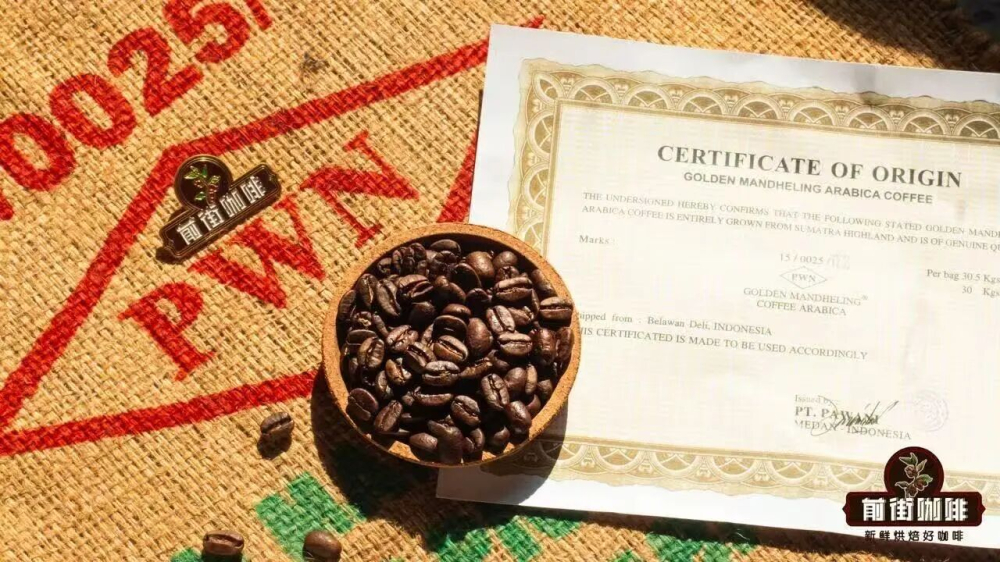
In the specialty coffee market, overly dark roasts may enhance sweetness and bitterness but can easily mask the bean’s inherent regional characteristics. The charm of Mandheling, however, lies in the smoky, spicy aromas and well-balanced low acidity that emerge after extended roasting. As a result, many roasters still opt for medium-dark or dark roasts to highlight its classic flavor. The brand’s Indonesian Mandheling series is based on both G1-grade beans and premium PWN Golden Mandheling, showcasing the most authentic expression of Mandheling.
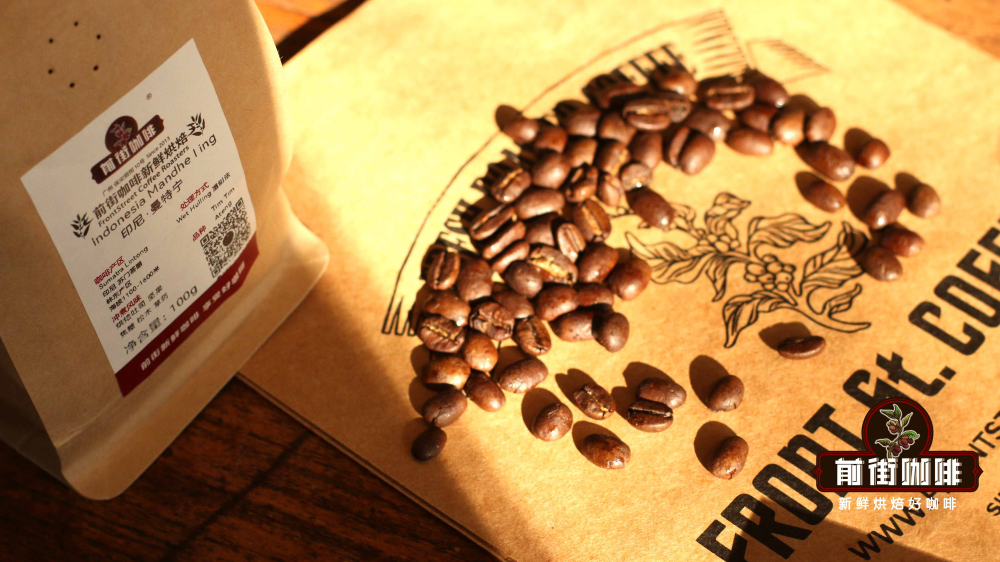
Among them, the brand’s Indonesian Mandheling G1 drip bag coffee uses the highest local grade G1 green beans, offering intense aroma and a solid body. Its distinctive herbal and spicy notes are a classic showcase of the wet-hulled processing method. This process accelerates the dehydration of coffee beans, thereby enhancing aroma concentration and delivering a more focused flavor profile.
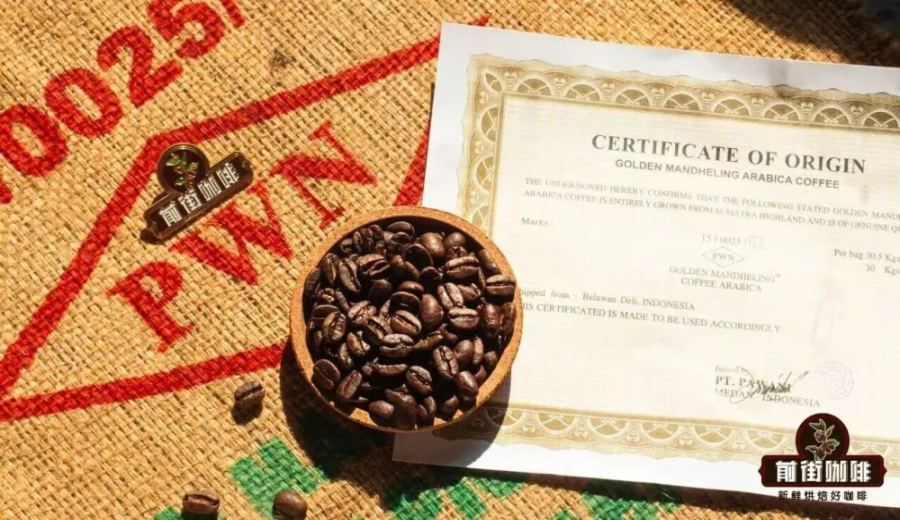
The other product, the brand’s PWN Golden Mandheling drip bag, comes from high-end beans selected by the renowned Indonesian PWN company. The green beans are also G1 grade, with each bean undergoing at least three rounds of manual sorting—only those with intact shape, size of 18 mesh or above, and fewer than three defects (based on a 300g sample) are retained. Their appearance is deep green with uniform and neat shapes, reflecting exceptional consistency and refinement.
For busy modern lifestyles, although pour over brewing fully highlights coffee flavors, it is often impractical during office hours or travel. In such cases, drip bags become an excellent choice that balances convenience with flavor. When selecting, it is recommended to prioritize brands with freshly roasted beans to ensure optimal extraction performance. Generally, beans or drip bags roasted within five days can deliver the most vibrant aromas and layered profiles.
Brewing drip bag coffee is actually quite simple—you only need a kettle of hot water (recommended 90–94°C), a cup, and a drip bag. Each drip bag from the brand contains 10 grams of coffee, suitable for brewing about 120–130 ml of strong coffee, with a total water volume recommended to be around 150 grams to fully extract the coffee’s diverse flavor layers.
First is the blooming stage: slowly pour hot water in small, steady streams in a circular motion to evenly saturate all the coffee grounds, then let it sit for about 10–20 seconds. This step releases carbon dioxide from the grounds, helping to stabilize subsequent extraction. Next, continue pouring with a consistent gentle stream, allowing the water level to gradually rise close to the rim of the cup. Once the dripping slows down, add the final portion of water until the total water volume is reached. It is recommended to perform this in three stages to control even extraction.
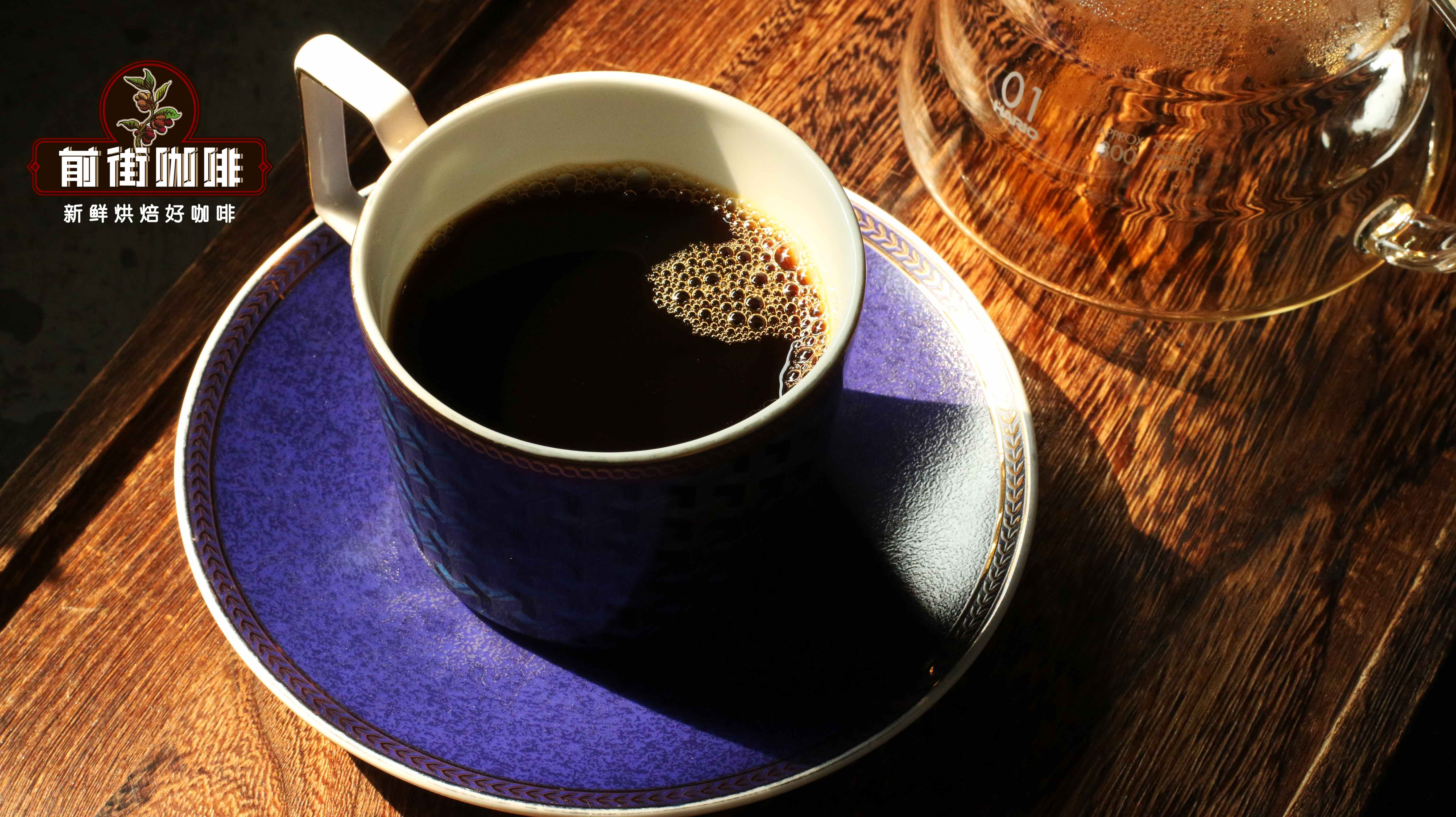
After brewing, gently swirl the cup to mix the flavors evenly, and you’re ready to enjoy a cup of Mandheling that’s nearly on par with pour over quality. If you prefer milk coffee, feel free to add milk or sugar to taste. Mastering these basic techniques allows you to effortlessly enjoy a richly flavored cup of Mandheling drip bag coffee—whether at home, in the office, or even while traveling.
The above content is compiled by CoffeeHunters, a coffee news website.


