







Introduction:Both French press and clever dripper are immersion brewing tools. Though their operation methods may seem similar, the resulting coffee exhibits noticeable differences in body, clarity, and flavor complexity. This article will delve into the design principles, material characteristics, and practical brewing processes of both, and through side-by-side testing under identical parameters, help you understand why French press coffee is typically richer and smoother, while clever dripper output tends to be cleaner and more transparent—assisting you in selecting the right tool based on your drinking preference.
In the realm of immersion brewing, the French press and clever dripper are arguably the two most frequently compared tools. Though both utilize an immersion method where coffee grounds are fully saturated with hot water, the final coffee flavors can turn out quite different. This article will analyze in detail from aspects such as structure, operation principle, and material differences, and through hands-on brewing under the same conditions, help you deeply grasp the core flavor distinctions between these two devices, as well as how oils and filter media affect the final taste.
Basic Design and Operation Principle of the French Press
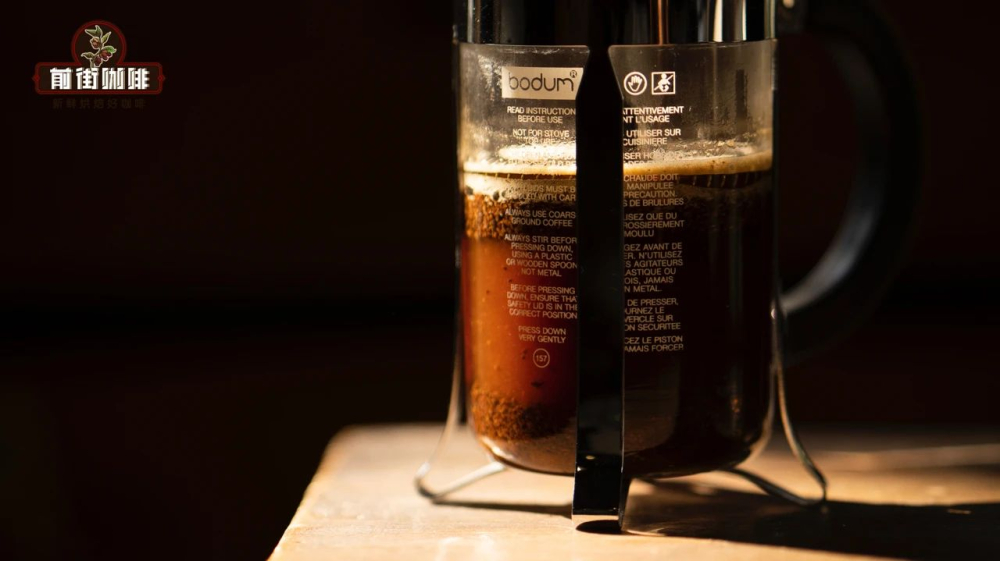
The French press, also known as a coffee plunger, is one of the most commonly encountered immersion brewing tools for many coffee enthusiasts just starting out. Its basic structure consists of a heat-resistant glass carafe and a plunger fitted with a metal mesh filter at the bottom. The overall design is simple and affordable. During brewing, coffee grounds and hot water are poured together into the carafe for full immersion. After a set period, the plunger is pressed down to push the filter mesh downward, settling the coffee grounds at the bottom, while the brewed coffee is poured out from the top spout. Even beginners can quickly get the hang of it and produce a cup of coffee with balanced flavor.
Design Highlights and Operating Logic of the Clever Dripper
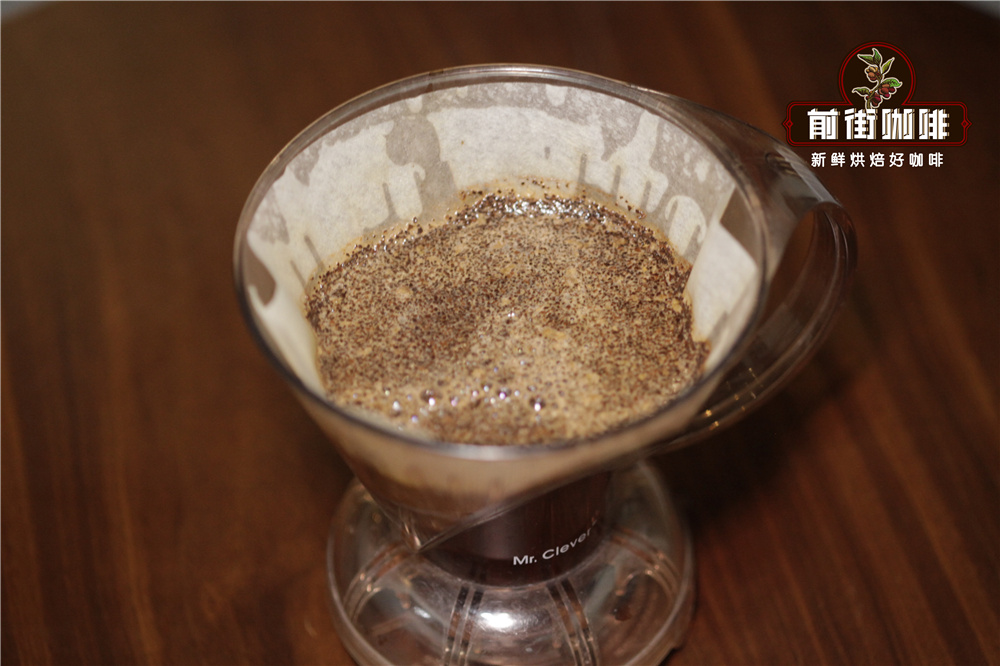
The clever dripper, officially named the clever filter, is most distinguished by the “piston valve” mechanism installed at the bottom of the dripper. When hot water is poured in, internal water pressure causes the piston valve to seal automatically, ensuring that the coffee grounds are fully immersed for a fixed duration. Once the immersion time is up, the dripper is placed over a server or cup, and the base is pressed to open the piston valve, allowing the coffee liquid to flow out smoothly. This design combines elements of both immersion and drip brewing, making the extraction process easier to control.
Overview of Material and Structural Differences
In terms of materials, the French press is mostly made of heat-resistant glass, paired with a stainless steel filter mesh and plunger, offering a transparent and straightforward design. The clever dripper, on the other hand, is often made of PCT (a high-temperature-resistant plastic material), featuring a trapezoidal structure that aids in stable placement and controlled water flow rate. Additionally, the pouring method also differs: the French press requires pressing the coffee grounds down with the plunger before pouring the coffee liquid through the top spout, whereas the clever dripper is simply placed over a receiving container, and coffee naturally drips out once the valve is opened.
Side-by-Side Test: Flavor Differences Under Identical Parameters
To enable an in-depth comparison, this experiment used freshly roasted coffee beans and applied identical brewing parameters including water temperature, grind size, and brew ratio. The test subject was a classic sun-dried coffee bean from Southeast Asia, known for its rich flavor profile, making it ideal for observing how different tools affect coffee taste. A medium-fine grind (close to sugar granule size, approximately 80% passing through a #20 sieve) was used,with a water temperature of90–91°Cand abrew ratio of 1:15, using 15 grams of coffee beans for demonstration.
Step-by-Step Operation of the Clever Dripper
First, fold the filter paper and place it inside the clever dripper. Then position the dripper on the receiving vessel and rinse it with hot water to preheat and simultaneously wet the filter paper. Next, move the dripper onto the scale, and once the valve automatically closes, add the coffee grounds into the center. Start by pouring 30 grams of hot water for a 30-second bloom, followed by adding water up to 225 grams total. The total immersion time is set to 1 minute and 50 seconds. After immersion, move the dripper over the server and open the valve to let the coffee liquid flow out. This step takes about 15 seconds, with the total brew time being around 2 minutes and 5 seconds.
Step-by-Step Operation of the French Press
Operating the French press is more straightforward: place 15 grams of coffee grounds into the carafe, pour in 225 grams of hot water all at once, stir gently, then cover with the lid and press the plunger down slightly without pushing it all the way to the bottom. Let it sit for about 4 minutes. Afterward, slowly press the plunger down until the filter mesh is positioned roughly halfway up the carafe, then pour the coffee into your cup to complete the brew.
Comparative Analysis of Mouthfeel and Flavor Performance
The experimental results showed that coffee brewed with the French press generally appears cloudier in appearance. Many users might mistake this for contamination, but it is actually caused by the natural oils in the coffee. These oils significantly enhance the coffee’s richness and smoothness, resulting in a rounder and softer overall mouthfeel with gentle layers. In contrast, the coffee from the clever dripper appears clear and transparent, with a well-defined flavor profile, distinct layers, and a crisper, more refreshing mouthfeel.
Why Do They Perform Differently?
This difference primarily stems from the influence of filter media and pouring methods. The French press uses a metal filter mesh combined with filter paper. Although not completely sealed, it retains some fine coffee particles and oils, thereby increasing extraction yield and flavor richness. The clever dripper, however, filters through multiple layers of paper and coffee grounds, effectively trapping oils and fine particles, resulting in clearer coffee liquid with more concentrated and layered flavors.
In summary, if you prefer a richer coffee with a silky texture, the French press is the better choice. If you favor a cleaner, more distinct, and vibrant coffee flavor, the clever dripper will meet your needs. Understanding these differences will allow you to more accurately select the right brewing tool based on personal taste, further enhancing your home coffee experience.
The above content is compiled by CoffeeHunters, a coffee news website.


