








Introduction:As an important specialty coffee-producing region in China, Yunnan has gradually made its mark on the international market thanks to its unique geographical conditions and diverse processing methods. This article delves into the advantages of Yunnan’s core coffee-growing regions, compares the differences between the two major processing methods—natural and washed—and provides a detailed breakdown of the flavor profiles of Natural Typica and Washed Small-Bean Varieties, helping readers fully grasp the unique charm of Yunnan coffee from origin to cup.
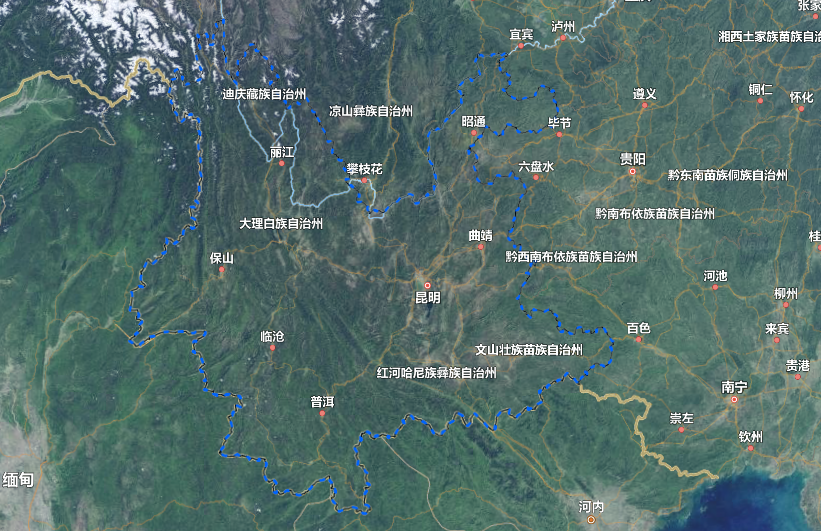
The western and southern parts of Yunnan lie within the “coffee belt” between 15°N and the Tropic of Cancer, a latitude range considered the golden zone for coffee tree cultivation. This area not only boasts high-altitude growing environments but also features a terrain of mountains and slopes, along with abundant sunshine, plentiful rainfall, and significant diurnal temperature variations—all of which provide ideal conditions for coffee beans to accumulate flavorful compounds.
The flavor of coffee is influenced by multiple factors, including the origin environment, coffee variety, processing techniques, as well as subsequent roasting and brewing methods. Among these, the processing method plays a crucial role in the final cup profile. This article will focus on the two common processing methods—natural and washed—comparing their impact on coffee flavor through real-world examples, and analyzing the unique flavor profiles of this season’s Yunnan coffee.

To understand coffee processing methods, one must first realize that the coffee we drink actually comes from the seeds inside the coffee fruit—i.e., the coffee beans. However, these seeds are encased in pulp, mucilage, and parchment, and must undergo specific processes to be extracted. The so-called processing method refers to the way coffee beans are separated from the coffee fruit, dried, and preserved.
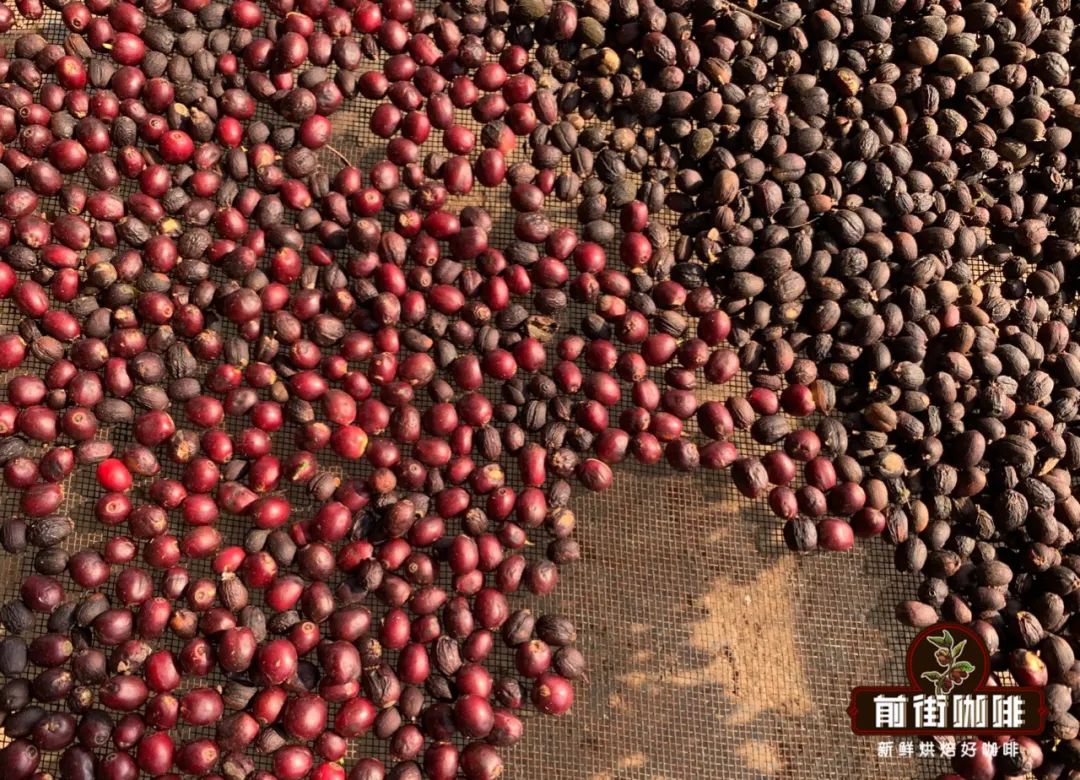
Natural processing is the most traditional and oldest method of coffee processing, and its name intuitively reveals the process: the coffee fruit is first dried completely in the sun, and then the outer layers of pulp and other parts are removed. It may sound simple, but executing it successfully is full of challenges. First, the harvested coffee fruit needs to be sorted immediately, often using the floatation method to remove underripe, overripe, or otherwise defective fruits with insufficient density. After sorting, the intact and qualified coffee fruits are evenly spread on drying beds to undergo long periods of natural sun drying.
The duration of natural drying depends on the weather, typically taking about four weeks until the moisture content of the coffee fruit drops to the ideal level of around 11%. Only then can specialized machinery be used to remove the dried pulp, parchment, and mucilage layers, revealing the inner coffee beans. This method preserves more of the original fruit flavors but also places strict demands on weather conditions and processing techniques.
In contrast, the washed processing method originated in the Yirgacheffe region of Ethiopia in 1971, initially developed to address the issue of off-flavors caused by rough natural processing in the area. This method emphasizes precision and hygiene. Similar to the natural method, it begins with floatation to select the highest-quality coffee fruits, followed by machine removal of the skin and pulp—though at this stage, the coffee beans are still covered with a sticky layer of mucilage.
To break down this mucilage layer, the coffee beans are placed in fermentation tanks for microbial fermentation, which usually lasts between 24 to 48 hours. Once the mucilage is sufficiently decomposed, the beans are rinsed multiple times with clean water to ensure all residues are completely removed. Since the excess pulp and mucilage have been removed beforehand, washed-processed coffee beans have a lower moisture content, requiring only about two weeks to dry—significantly shortening the processing cycle. The resulting coffee is typically cleaner and brighter in flavor.
Returning to the Yunnan producing region, local coffees currently do not exhibit strong acidic or bitter characteristics. Therefore, medium roasting is generally recommended to preserve flavor balance. For example, a medium-roasted Washed Yunnan Small-Bean coffee delivers a distinct nutty note when sipped, paired with moderate citrus acidity. Its acidity and sweetness are balanced without being overpowering, while the bitterness remains mild. Mid-palate reveals a brown sugar-like aroma, and the finish carries subtle hints of roasted nuts and dark cocoa, resulting in an overall mild and harmonious profile.
In contrast, a medium-roasted Natural Typica from Yunnan exhibits a different personality. With a fuller mouthfeel than the washed version, it has slightly lower acidity but more pronounced sweetness, achieving excellent overall balance. Its flavor profile includes berry-like acidity that complements the brown sugar aroma, along with a slight tea-like quality that evokes a smooth and mellow drinking experience.
In summary, Yunnan coffee, with its geographical advantages and diverse processing methods, has gradually secured a place in the global specialty coffee market. Whether you prefer the clean and bright profiles of washed processing or the rich and sweet characteristics of natural processing, you can find corresponding expressions in Yunnan coffee. Understanding these processing differences and regional traits will help coffee enthusiasts make more informed and nuanced choices and evaluations.
The above content is compiled by CoffeeHunters, a coffee news website.


