







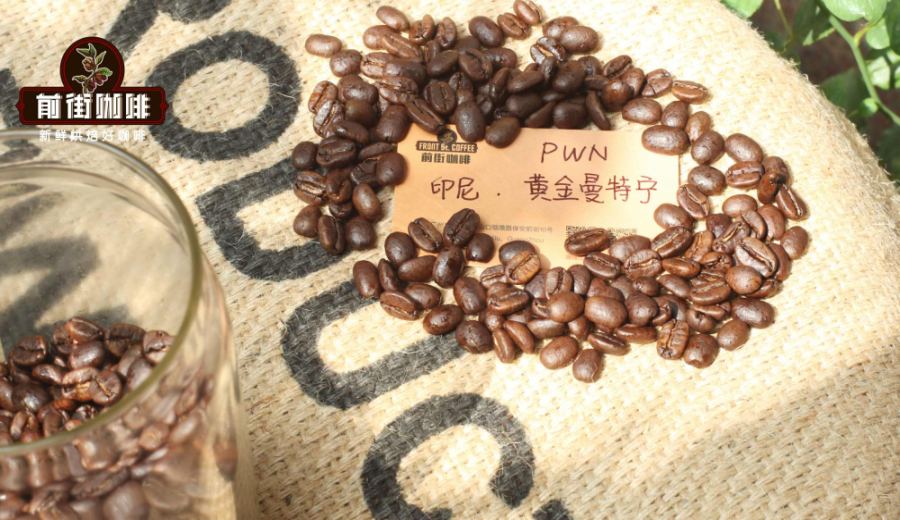
Introduction:Sumatra Golden Mandheling is renowned for its rich, bold body and herbal-spicy flavor profile, making it a top choice for coffee enthusiasts who favor dark-roast single origins. However, the challenges of processing in a humid environment and the inherently bitter nature of dark roasts make pour-over brewing techniques especially critical. This article delves into the origins of its semi-washed processing method and provides field-tested pour-over parameters and steps to help you extract a balanced, full-bodied Mandheling with pronounced sweetness—while avoiding the common issue of over-extraction bitterness.
Sumatra Golden Mandheling is a classic coffee bean from Indonesia’s Sumatra Island, celebrated for its bold, substantial mouthfeel and distinctive herbal and spicy notes. This bean is often regarded as a representative of Asian coffee, especially favored by coffee drinkers who prefer a heavier body and lower acidity. However, Sumatra’s hot and humid tropical rainforest climate poses significant challenges to coffee fruit processing, giving rise to the region’s unique semi-washed processing method.
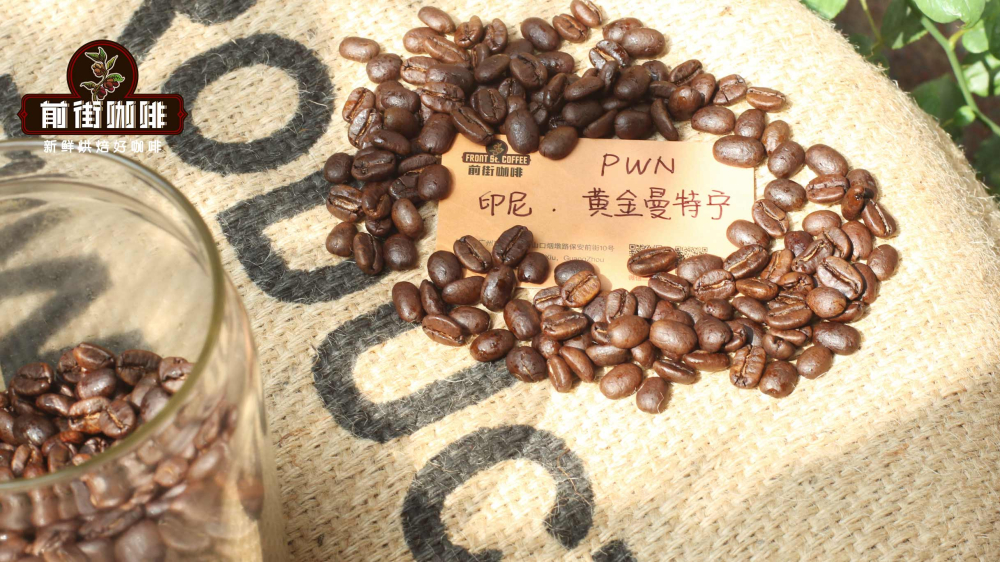
Sumatra Island is located near the equator, with a consistently humid climate year-round. The air humidity remains between 70% to 90%, and annual rainfall can reach up to 2000 mm. Although the volcanic soil is fertile and conducive to coffee tree growth, the damp environment can easily lead to abnormal fermentation, mold, or spoilage of the coffee cherries. Traditional washed processing methods in this environment require longer drying times due to climatic factors—not only increasing risks but also potentially affecting the final flavor profile.
As a result, the region developed the semi-washed processing method (also known as honey processing or wet-hulling), which removes the pulp layer but retains part of the mucilage while accelerating drying. This effectively reduces the risks of over-fermentation and mold. This method not only adapts to Sumatra’s unique climate but also imparts a richer, fuller body along with distinctive spicy and herbal flavor characteristics to the beans.
For pour-over enthusiasts, Golden Mandheling may be enticing in flavor, but its dark roast nature makes it prone to releasing excessive bitter compounds during extraction. Mastering water temperature, grind size, and brew ratio becomes key to successful brewing. Below, we share practical pour-over parameters and techniques to help you extract a full-bodied Mandheling with notes of chocolate and caramel sweetness.
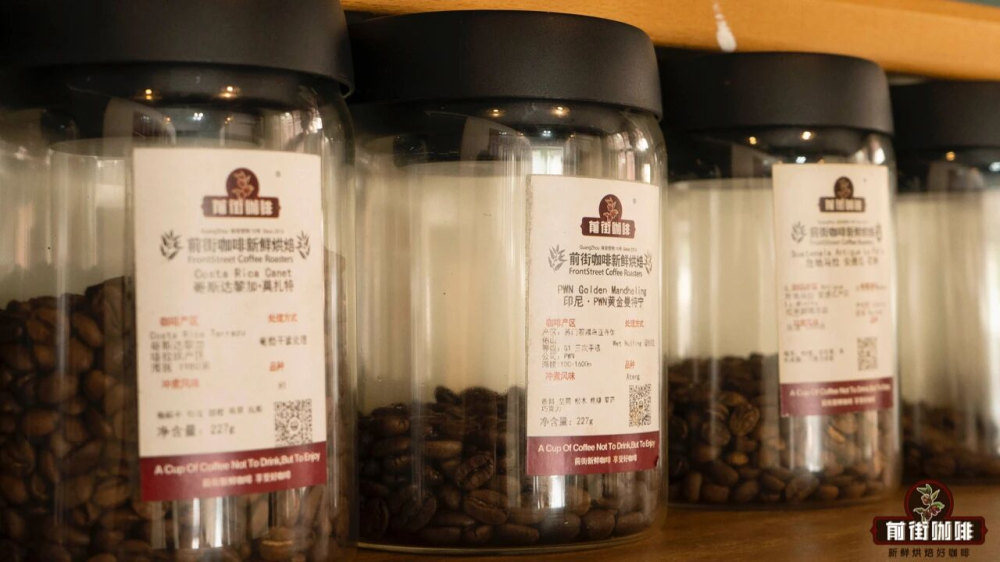
It is recommended to use a KONO filter cone, with a coffee dose of 16 grams and a grind setting adjusted to medium-light to medium (approximately 75% passing through a Chinese standard No. 20 sieve, similar in texture to fine sugar). The water temperature should be controlled at 88°Cto avoid excessive extraction caused by high temperatures; the brew ratio is set to 1:14, which helps balance body and flavor complexity without diluting the inherent sweetness due to excessive water.
The specific pour-over steps are as follows: Begin by pouring 30 grams of water for the bloom phase, lasting about 30 seconds. This helps awaken the coffee grounds and release aroma. Then, continue pouring with a small, steady circular motion. When the total water volume reaches 110 grams, pause and allow the water level in the filter cone to naturally drop by about half. Continue pouring in the same manner until the total brew water reaches 225 grams, then remove the filter cone. Keep the total extraction time around 2 minutes, and it is advised to stop immediately when the coffee bed is about to become exposed to avoid over-extraction.
It’s worth noting that many people assume “if it’s too bitter, just add more water to dilute,” but in reality, increasing the brew ratio may not effectively reduce perceived bitterness—in fact, it can make the coffee taste thin and lose its complexity. The correct approach is to slightly lower the water temperature and adjust the grind size, using a relatively concentrated brew ratio to highlight the coffee’s inherent sweetness and full body, thereby naturally balancing out the bitterness.
During the brewing process, special emphasis is placed on “gentle pouring” and “steady flow rate” to avoid aggressively disturbing the coffee bed, which can cause excessive fines to release and result in off-flavors or astringency. Maintaining a stable and even water flow is the core technique for bringing out the rich flavors and delicate sweetness of Mandheling.
When brewed using the above parameters and techniques, the Golden Mandheling reveals prominent notes of chocolate, cream, and caramel, complemented by subtle hints of honey. The overall mouthfeel is full-bodied yet not overly heavy, with a long-lasting sweet aftertaste. It stands out as a well-balanced and approachable option among dark-roast Mandhelings.
The above content is compiled by CoffeeHunters, a coffee news website.


