







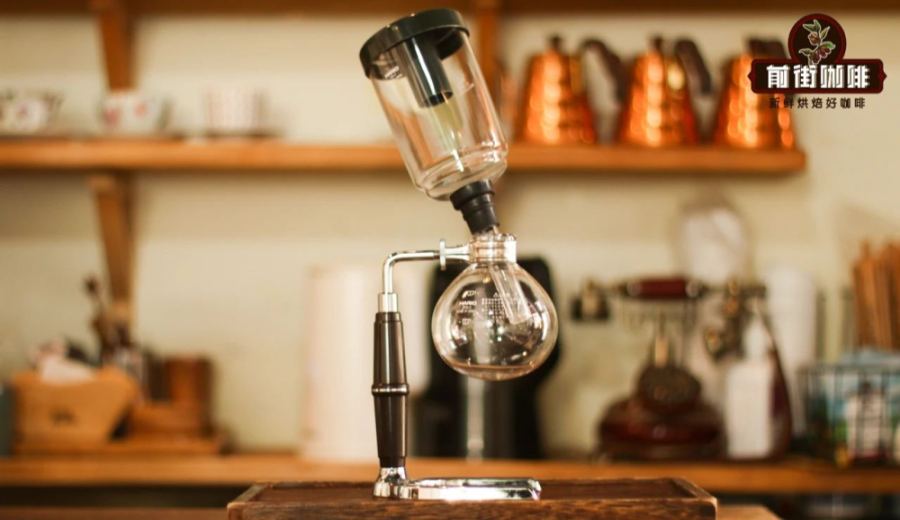
Introduction:As a classic immersion-style coffee brewing device, the siphon coffee maker is beloved by coffee enthusiasts for its unique visual effects and rich, full-bodied flavor. This article will provide a detailed breakdown of the siphon's working principle, operation steps, and key techniques, using Jamaican Blue Mountain No. 1 as an example. We’ll also offer practical recommendations on coffee-to-water ratio, water temperature, and grind size to help you brew a balanced, sweet-aftertaste-rich, high-quality siphon coffee at home.
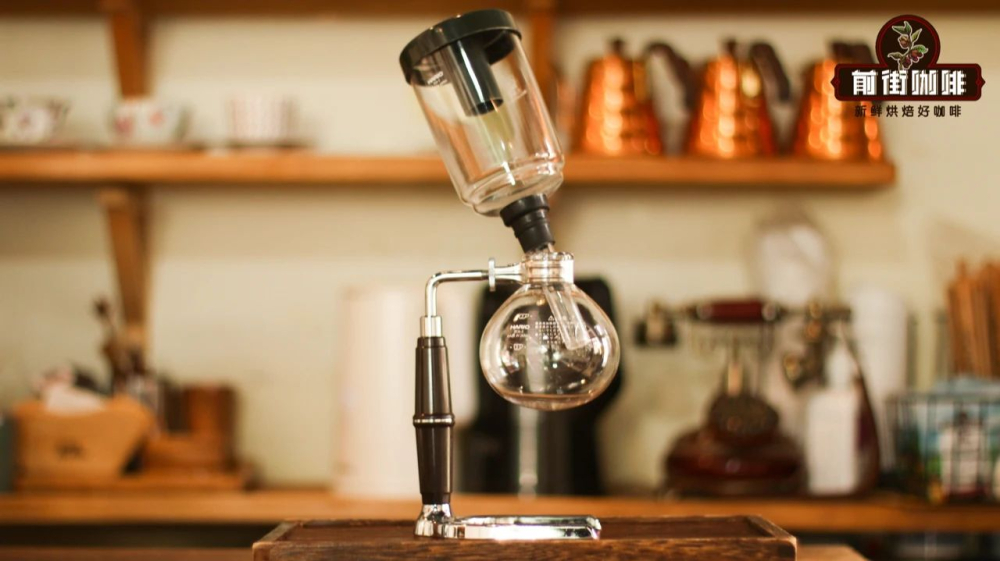
Also known as the siphon pot or vacuum pot, the siphon coffee maker is a brewing tool that combines scientific principles with artistic beauty. Even after a century, it remains highly regarded by coffee aficionados. Its distinctive two-layer glass structure and pressure-driven extraction mechanism not only create a ritualistic brewing experience but also fully showcase the aroma and layered complexity of coffee beans—making it especially suitable for those who enjoy deep flavors and a full-bodied mouthfeel.
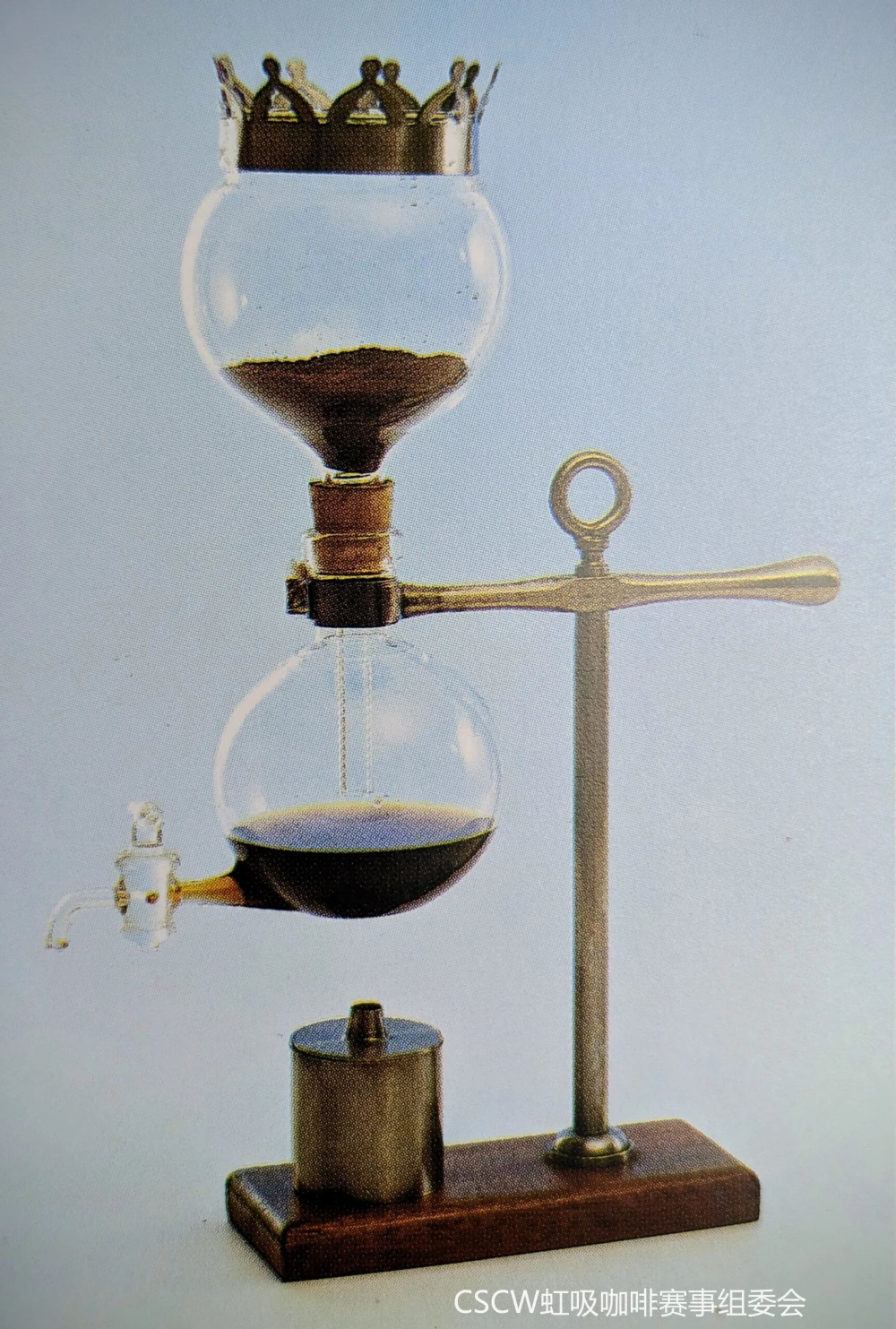
The origins of the siphon coffee maker can be traced back to the early 19th century, when a German named Loeff designed an early version of a balanced siphon device, also referred to as the "Belgian Court Pot." Some accounts suggest that similar devices first appeared in England in the early 1840s and were introduced in France in 1842. By the 1920s, Japanese designer Kobayashi Akira improved upon the design, introducing an upright siphon pot. He patented it under the name Siphon and founded the KONO company to produce it. Compared to the Belgian Court Pot, which boasts an elegant appearance, the upright siphon pot offers greater practicality and ease of use.
The brewing process begins by heating the lower chamber, causing the water to evaporate and generate pressure that pushes the hot water up into the upper chamber where it mixes with the coffee grounds. After a brief immersion and stirring, the heat source is removed, allowing the lower chamber to cool and the pressure to drop, creating a vacuum that draws the brewed coffee back down, leaving the coffee grounds in the upper chamber. This entire process resembles a small-scale science experiment, especially when using an infrared heating device, delivering especially impressive visual effects. It’s also a favorite brewing method for many cafés to showcase their craftsmanship.
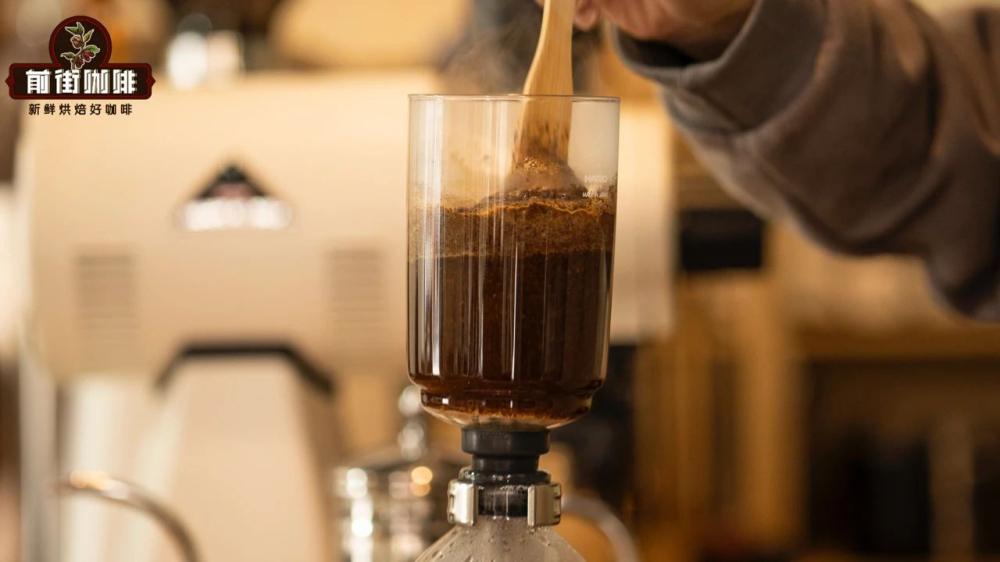
Siphon brewing is a type of immersion extraction, which differs from common pour-over methods. It can more comprehensively extract a wide range of flavor compounds from the coffee, including sweetness, body, and complex aromatic layers. However, mastering this technique requires familiarity with key elements such as flame control, water temperature, grind size, and stirring timing—each of which significantly impacts the final flavor profile.
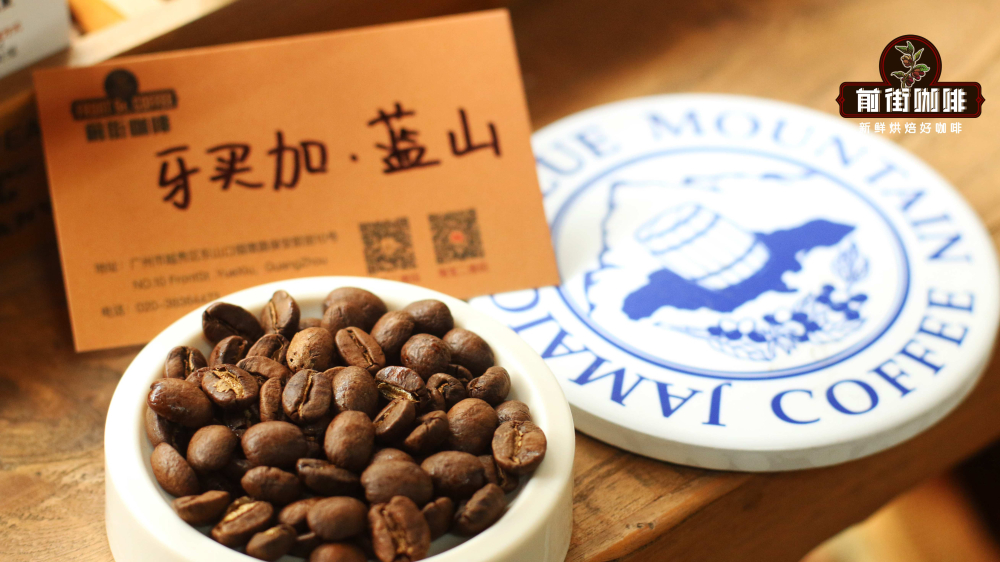
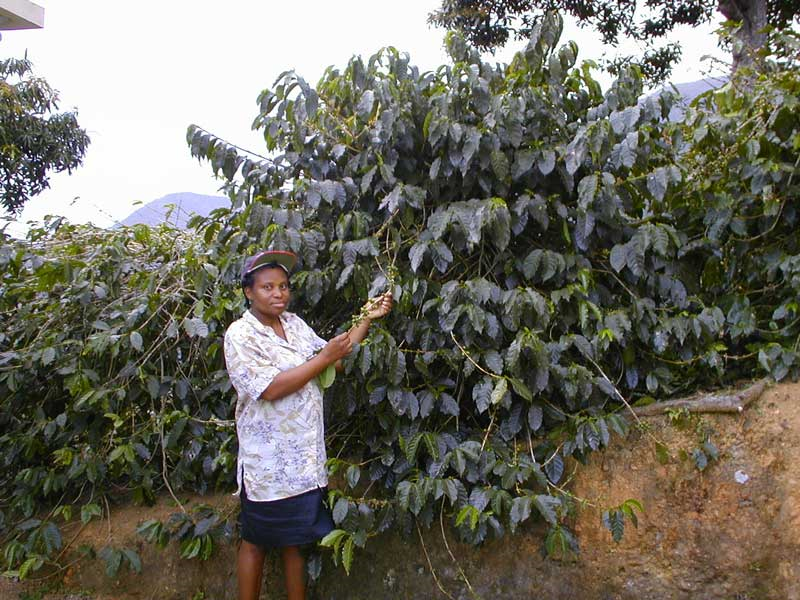
Take the classic Jamaican Blue Mountain No. 1 as an example. This top-tier Typica variety from the Caribbean island nation boasts exceptionally high genetic purity and consistency. As early as 1728, French nobility introduced the first Typica coffee trees to Jamaica. Due to its geographic isolation and stable microclimate, the coffee quality here has remained consistently high over time. In particular, coffee beans produced in the Blue Mountain region are renowned for their low acidity, full body, and balanced profile, often featuring aromatic notes of cream, chocolate, and nuts.
To fully showcase the potential of Blue Mountain No. 1, it is recommended to use a medium-dark roast and brew with a siphon coffee maker. In practice, set the coffee-to-water ratio to 1:14—that is, 20 grams of coffee grounds to 280 milliliters of hot water. Control the water temperature to around 88°C, starting the brew when dense bubbles begin to form on the surface of the water in the lower chamber. For grind size, adjust to slightly coarse, approximately equivalent to 10.5 on the EK43 grinder or about 90% passing through a #20 sieve. This helps avoid over-extraction and maintains a clean, refreshing taste.
During the extraction process, when the total brew time approaches 50–60 seconds, perform a final gentle stir. The purpose of this step is to promote the release of residual flavor compounds. However, since you’re in the final stage, it’s advisable to reduce the stirring intensity—for example, by using slow circular motions—to avoid over-extraction, which can lead to bitterness. At the same time, pay attention to the flow of the coffee as it returns to the lower chamber, ensuring the process proceeds smoothly without obstruction.
The finished Jamaican Blue Mountain No. 1 siphon coffee delivers a bold cup with pronounced aromas of dark chocolate, caramel, and roasted nuts. The mouthfeel is rich and layered. As the temperature cools slightly, subtle acidity emerges, harmonizing well with the sweetness and bitterness. The aftertaste is long-lasting with a distinct sweet finish. Overall, it presents a balanced, refined cup that’s deeply satisfying and perfect for slow, mindful enjoyment.
The above content is compiled by CoffeeHunters, a coffee news website.


