







Introduction:Did you know that "Mandheling" is not actually a coffee-growing region, but rather the result of a linguistic misunderstanding? This in-depth analysis will take you through how Indonesia’s Sumatra region, with its unique geography and wet-hulling processing method, has shaped the classic Mandheling flavor profile—low in acidity, full-bodied, and layered with earthy and spicy notes. From the differences between Lintong and Golden Mandheling, to the evolution of Typica and Ateng varieties, as well as the principles of wet hulling and practical brewing parameters, gain a comprehensive understanding of this classic bean variety beloved by coffee enthusiasts worldwide.
Mandheling, a name commonly found on specialty coffee menus, carries an interesting historical misunderstanding behind it. It is neither a region nor a coffee variety, but originated during World War II when a Japanese soldier misheard the name of the local ethnic group in Sumatra, the "Mandailing," leading to the name we know today. Nowadays, "Mandheling" has become synonymous with high-quality Arabica coffee from Sumatra, Indonesia, cherished globally for its low acidity, rich body, and distinctive earthy and spicy aromatic profile.
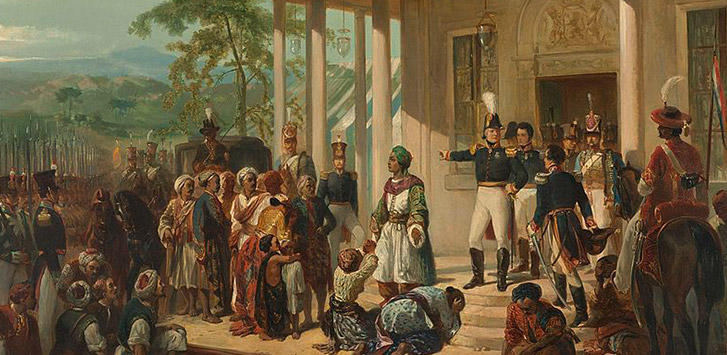
As the largest coffee-producing region in Indonesia, Sumatra contributes about 74.2% of the country’s total coffee output. This sixth-largest island in the world, located on the equator, boasts not only vast land area but also unique terrain and climate. The mountainous northwest region is known for producing premium Arabica, while the flatter southeastern areas mainly grow disease-resistant Robusta. Sumatra’s coffee cultivation history dates back to the Dutch colonial period when coffee trees were introduced for economic gain. Though interrupted by war and food policies, production gradually recovered in the 1950s. Today, the region’s coffee is known for its large bean size, hard texture, and strong body.
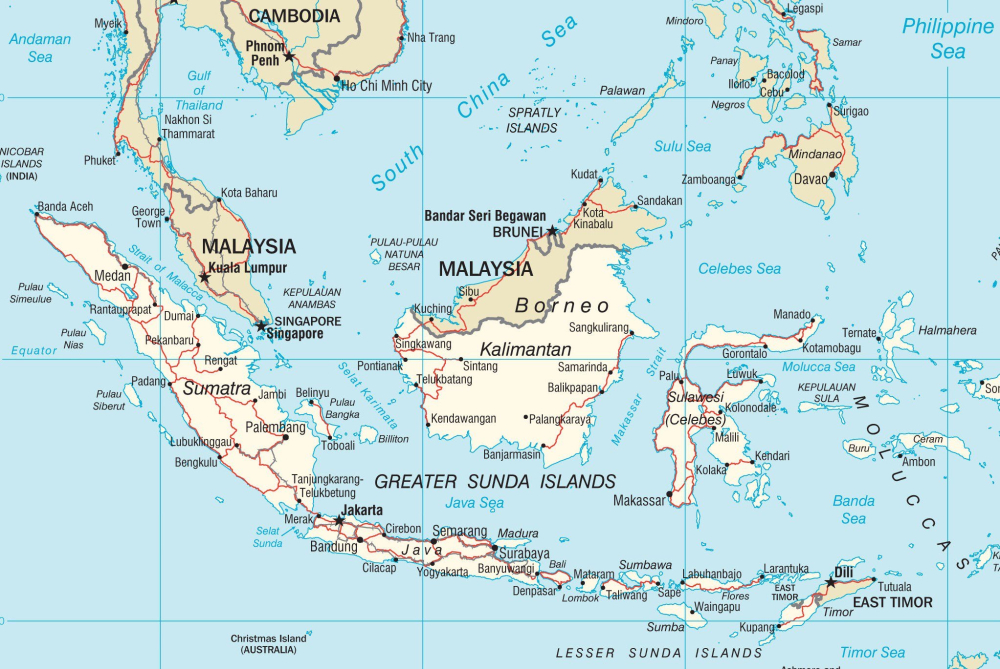
When talking about Mandheling, one must mention the Lintong region and Lake Toba area in northern Sumatra. Lintong Mandheling is produced in the Lintong administrative district, near the southern shores of Lake Toba at high altitudes. The elevation, soil, and microclimate here create its classic flavor profile—low acidity, bold richness, and distinctive earthy and herbal aromas. In contrast, the term "Mandheling" is a broader designation, generally referring to multiple producing areas in northern Sumatra, including regions like Diari and the northern part of Lake Toba with similar growing conditions.
Another star-producing region in Sumatra is the Gayo highlands in North Sumatra. Coffee here is mostly grown at elevations between 1,500 to 2,500 meters and is meticulously cultivated by the local Gayo people. Gayo coffee primarily consists of older tree varieties and is widely grown using organic methods, without chemical fertilizers, hence it's also hailed as "green coffee" or "Gayo organic coffee." Lake Tawar in the region provides a stable water source, and the fertile volcanic soil contributes to Gayo coffee’s delicate floral notes, bright acidity, and rich sweetness.
When discussing Mandheling, one cannot overlook its processing method—wet hulling (Giling Basah). Indonesia’s tropical rainforest climate, with frequent rain and limited sunlight, makes traditional sun-drying and washed processing difficult, leading to the development of this unique semi-washed method. The process involves removing the fruit pulp, followed by initial dehydration, then stripping away most of the mucilage and parchment layer. The beans are then ground and scraped at a higher moisture level to speed up drying. This process gives Mandheling its bold body, low acidity, and distinctive earthy, spicy, and fermented aromatic traits, setting it apart from coffees of other regions.
Many consumers often hear the grade name "Golden Mandheling" when purchasing Mandheling coffee. This refers to coffee beans sourced from the Gayo highlands of Aceh in Sumatra, subjected to stricter quality screening. They must meet the highest grade G1, with bean size of 19+ mesh, uniformly plump and with extremely low defect rates (fewer than 3 defective beans per 300g sample). These beans usually undergo machine sorting and multiple rounds of hand-picking, resulting in neat appearance, dark green color, and mostly flat beans. Golden Mandheling is often regarded as the pinnacle of Mandheling due to its consistency and premium quality.
You may not know that what is traditionally considered the "Mandheling variety" is mostly Typica and its derivatives. Typica is one of the earliest Arabica varieties introduced to Asia from Europe. Though it offers elegant flavors, it is highly susceptible to diseases. By the late 19th century, Typica in Indonesia suffered major yield reductions due to leaf rust and was gradually replaced by more disease-resistant Robusta or hybrid varieties. Nowadays, common variety labels for Mandheling such as Tim Tim or Ateng are actually local terms for Catimor hybrid varieties—a cross between Arabica and Robusta, known for their adaptability and unique flavor profiles.
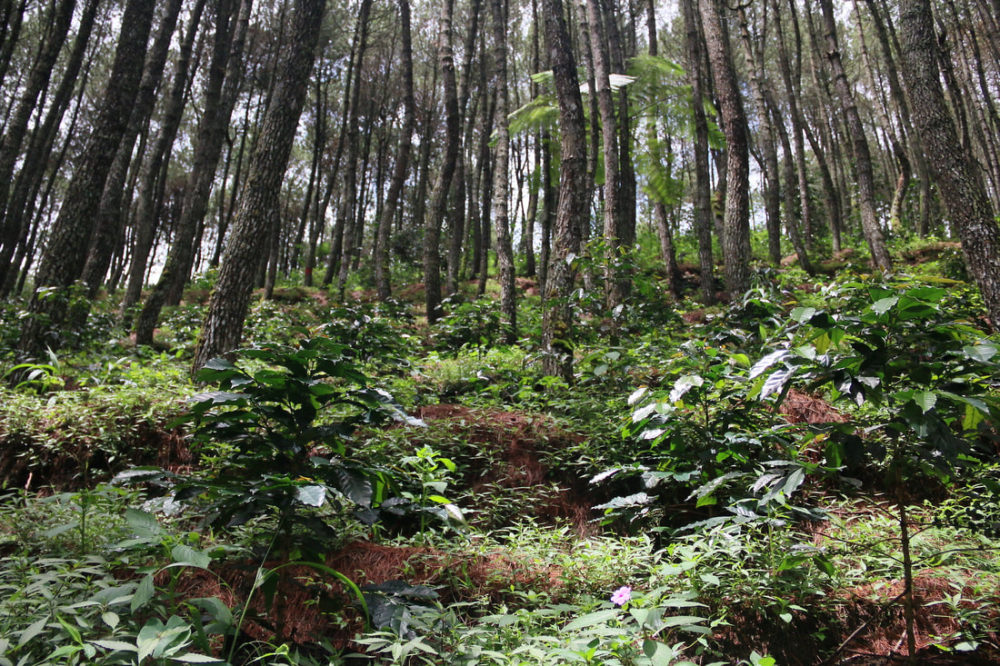
To brew a cup of Mandheling coffee with standout flavors, mastering the correct extraction parameters is crucial. Taking deeply roasted Golden Mandheling as an example, it is recommended to use a Kono filter cone, which extends contact time between water and coffee grounds at lower temperatures, enhancing the body and richness. Suggested parameters include: water temperature at 88°C, coffee dosage of 15g, coffee-to-water ratio of 1:15, and grind size at medium-fine (approximately 75% passing through a #20 sieve). Start with a 30-second bloom using 30g of water, then perform incremental pours at 125g and 225g, aiming for a total extraction time of about 2 minutes. This method fully highlights Mandheling’s rich layers of nuts, caramel, and chocolate, with a clean and long-lasting finish.
If you’d like to enjoy Mandheling Americano at home with ease, mastering some basic techniques can help you achieve professional-level results. For hot Americano, a ratio of 1:6 is recommended (e.g., 40g of coffee liquid with 240g of hot water), while for iced Americano, a ratio of 1:7 is suggested (e.g., 40g of coffee liquid with 280g of ice water mixture—approximately 180g of ice and 100g of water). Regardless of the method, adjust the extraction parameters for the concentrate based on the bean characteristics to best bring out Mandheling’s signature full body and low acidity.
The above content is compiled by CoffeeHunters, a coffee news website.


