







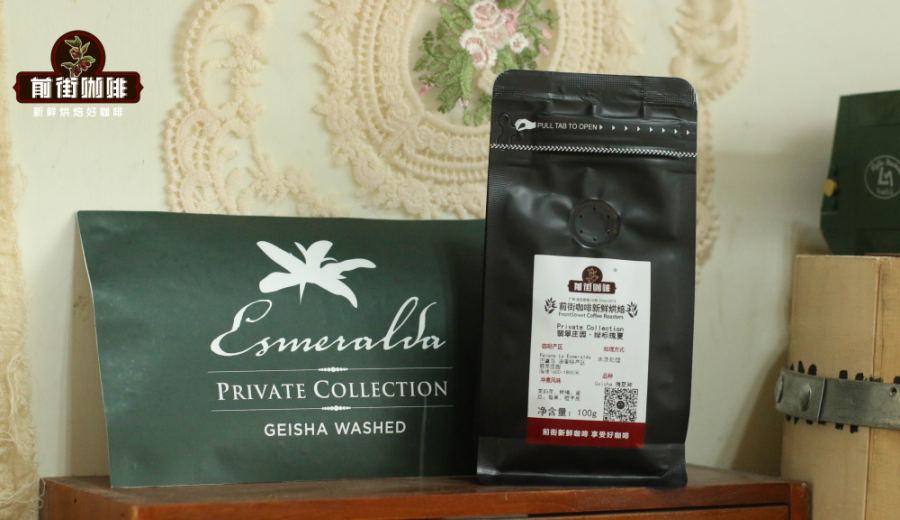
Introduction:Geisha coffee has long held the top position in the specialty coffee world, thanks to its unique floral and fruity aromas and complex layers of flavor, with prices remaining consistently high. This article delves into the origins of the Geisha variety, its growing environment, meticulous processing techniques, and how Hacienda La Esmeralda propelled it onto the international stage. It also provides practical pour over brewing suggestions and information about the Red Label Geisha product to help coffee enthusiasts fully appreciate the charm of this legendary bean.
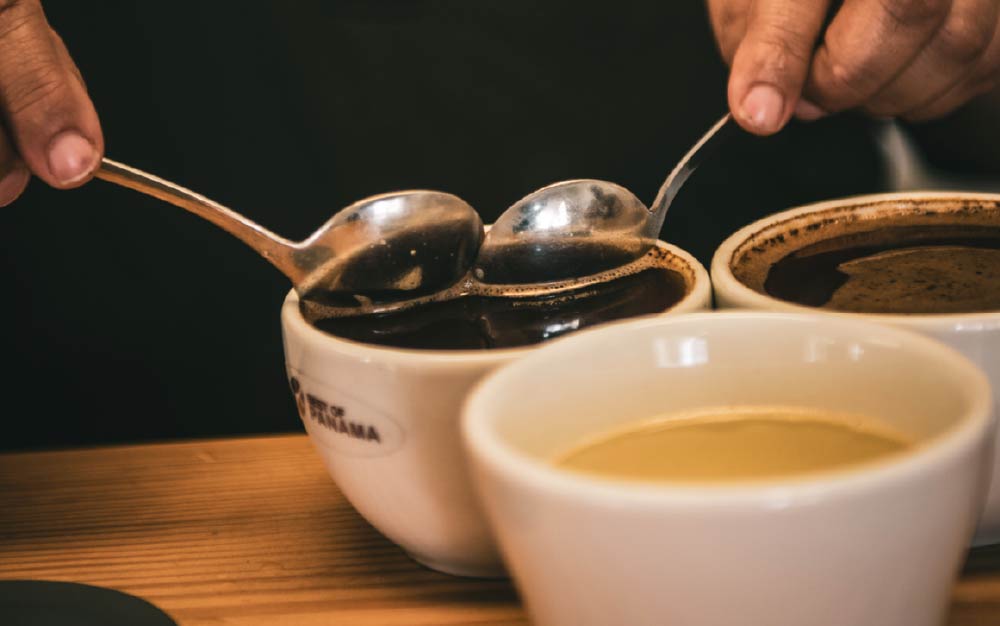
In 2004, Panama’s Hacienda La Esmeralda entered a coffee bean known as Geisha into the Best of Panama (BOP) competition. With its distinctly layered and highly recognizable cup profile, it won the championship outright, shocking the entire specialty coffee industry. From then on, Geisha not only rewrote the market landscape but also became synonymous with high-priced coffee. But what exactly has allowed this coffee bean to maintain such high prices for so long? This article will fully analyze the value of Geisha, covering its varietal origins, growing conditions, processing technologies, and the promotional journey of Hacienda La Esmeralda, along with pour over brewing recommendations and details about the Red Label Geisha product.
The name Geisha originates from the Gesha mountain in southwestern Ethiopia, Africa. According to records, this variety was first discovered in the Gesha forest in 1931, then sent to the nearby Kenyan Coffee Research Institute. In 1936, it was introduced to Uganda and Tanzania, and in 1953, it made its way to Costa Rica. It wasn’t until 1970 that Mr. Don Pachi in Panama, aiming to enhance the genetic diversity and disease resistance of local coffee, specially imported Geisha seeds from the Costa Rican Coffee Research Institute (CATIE) and planted them experimentally in his coffee farm.
However, in its early days, Geisha was considered a marginal variety due to its weak disease resistance and low yield, often used only as windbreaks. It wasn’t until 1998 that Daniel Peterson, the third-generation owner of Hacienda La Esmeralda, noticed the potential of these coffee trees and decided to transplant them to higher-altitude areas. By 2004, these trees had entered a stable production period. With his professional cupping expertise, Daniel discovered their exceptionally outstanding flavor. After extensive consultation, he finally decided to enter them into that year’s BOP competition, where they shone brilliantly and won the championship.
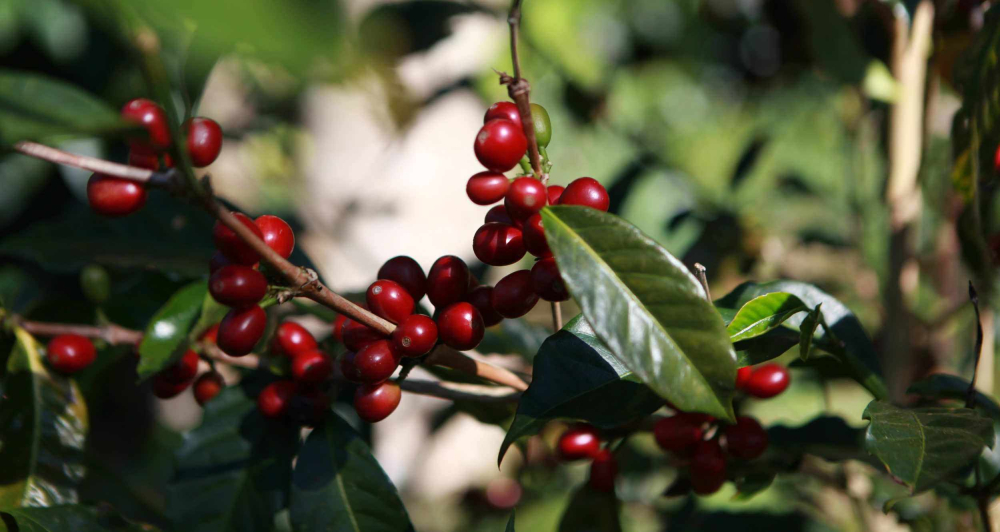
Geisha is extremely picky about its growing environment, requiring high altitudes, cloud cover, and fertile soil. High altitudes not only extend the ripening period of the fruit but also foster richer flavors. Additionally, Geisha coffee trees have thin leaves with low photosynthesis efficiency and fragile root systems, resulting in slow absorption of nutrients and water and an overall low yield. Especially compared to the common Caturra variety, a single Geisha plant produces only half the yield, which is one of the main reasons for its high price.
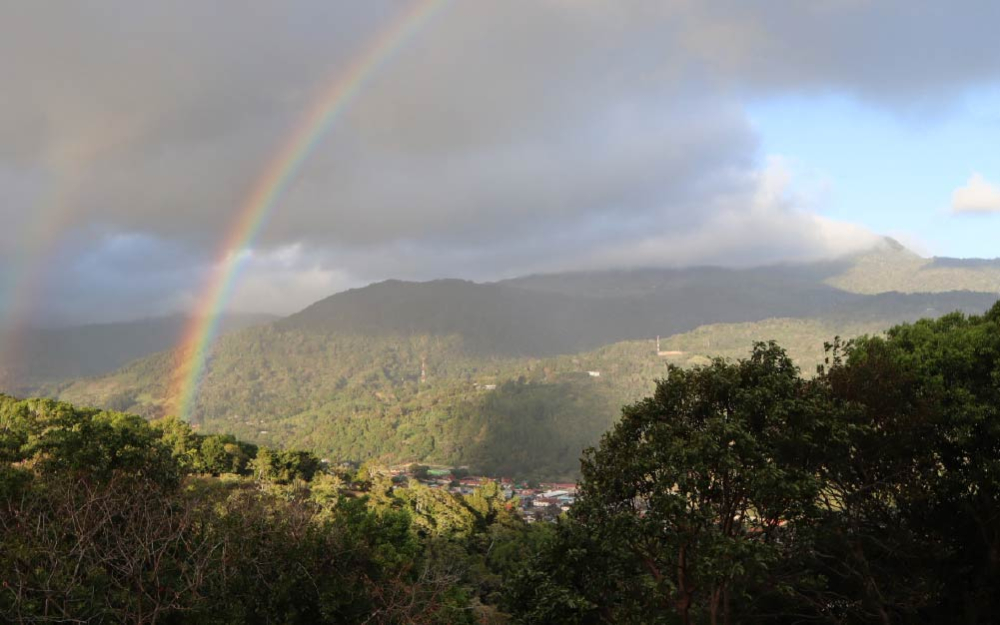
Panama’s Boquete region, with its uniquely favorable conditions, has become an ideal planting ground for Geisha. The fertile volcanic soil from the Barú volcano, combined with the microclimate formed by the high-altitude terrain—characterized by humid days, cool nights, abundant rainfall, and frequent fog—provides nearly perfect growing conditions for Geisha.
The processing of Geisha is equally meticulous. Coffee cherries must be handpicked at optimal ripeness and processed promptly, demanding high precision in timing and technique. For example, in the case of natural (sun-dried) processing, workers must carefully select ripe cherries, remove defective beans, and evenly spread them in patios to dry for 3 to 5 days, around 8 hours per day. During this period, they need to be turned regularly to prevent excessive fermentation caused by high temperatures. Depending on weather conditions, after drying is complete, a special machine is used to rotate the beans for 72 hours to ensure uniformity and prevent off-flavors, after which the pulp husk is removed. Every step must be precisely controlled to ensure the final flavor performance.
When talking about Geisha, one cannot overlook Hacienda La Esmeralda. Originally named the Pamela Farm, it was purchased in 1964 by American banker Rudolph Peterson and initially focused mainly on dairy farming. In 1987, his son Price, who gave up a career in medicine to assist with the farm’s operations, introduced the Caturra and Catuaí varieties and transformed the farm into a coffee plantation. In 1994, after establishing a wet mill, it officially began producing coffee.
Later, Hacienda La Esmeralda acquired the geographically advantageous Jaramillo Estate. Through cupping, they discovered the unique flavor of Geisha and subsequently conducted detailed evaluations across different altitude blocks, implementing zoned management based on altitude. This led to the now well-known grading system of Red Label, Green Label, and Blue Label.
Currently, the estate owns several farms, including Finca El Velo, Finca Cañas Verdes, and Finca Jaramillo. Among them, the premium Geisha lots mainly come from Jaramillo and Cañas Verdes, with many auction lots originating from Cañas Verdes. The sold Red Label Geisha comes specifically from the Mario plot in Cañas Verdes, processed using the natural method, and delivers an exceptionally outstanding flavor profile.
Red Label Geisha is grown in the Boquete region at an altitude exceeding 1,700 meters, classifying it as high-altitude cultivation. Its flavor profile is distinctive, often featuring notes of lemon, honey, berries, orange peel, mango, cream, and citrus. It has a bright acidity, soft sweetness, and a long-lasting aftertaste. In high-altitude environments, Geisha can exhibit more complex floral and fruity notes, which is a key factor distinguishing it from ordinary coffees.
For pour over brewing of Geisha, it is recommended to use a medium-light roast to highlight its bright acidity and floral-fruity aromas. Due to the characteristics of high-altitude hard beans, it is suggested to use slightly higher water temperature and a finer grind size to fully extract the aroma and flavors. The recommended brewing process is as follows: after grinding, place the coffee grounds into the filter paper, start with a 30g bloom for 30 seconds using small circular pours from the center outwards; then pour 95g of water, wait for it to drain, and follow with another 100g, achieving a total brew time of about 2 minutes. This method allows the complex flavors of Geisha to be best expressed.
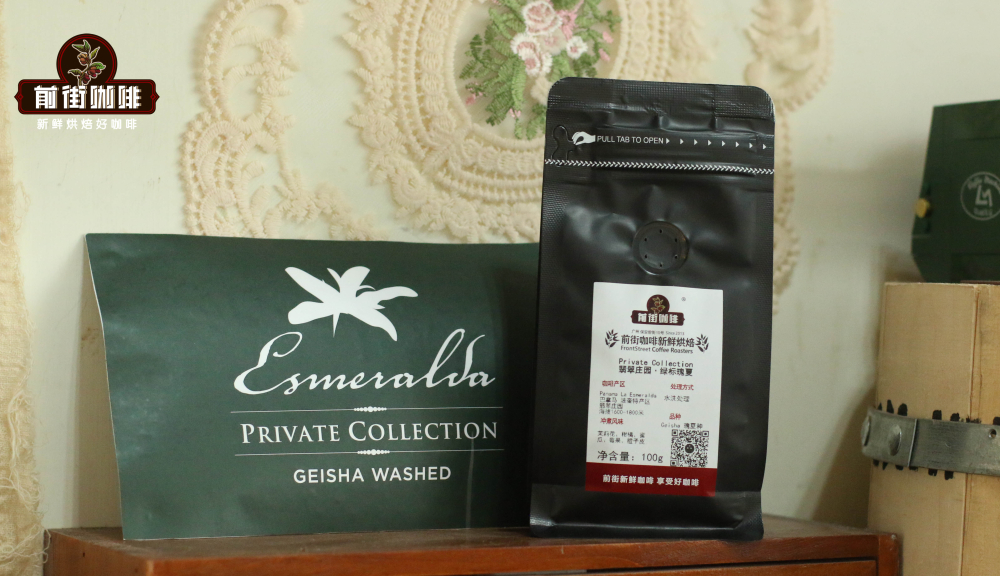
It is particularly worth noting that freshly roasted Geisha coffee beans reach their most flavorful state after a 4 to 7-day rest period. It is recommended to choose recently roasted beans for the optimal tasting experience. After brewing, the Red Label natural Geisha offers a rich mouthfeel with intense jasmine floral notes, accompanied by tropical fruit flavors such as mango and berries. The texture is as smooth as cream, the sweetness resembles honey, and the aftertaste leaves a refreshing sensation of flowers and fruit tea.
The above content is compiled by CoffeeHunters, a coffee news website.


