







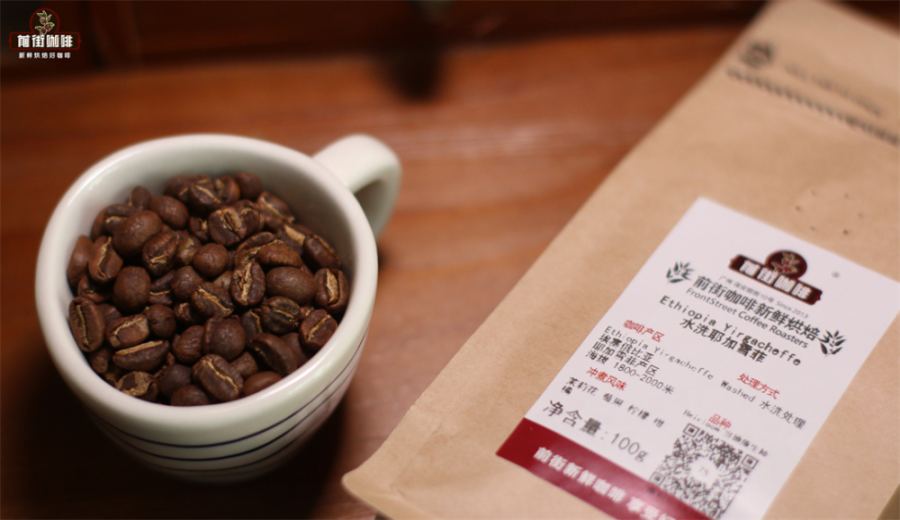
Introduction:Ethiopia’s Sidamo region is one of the world’s most important sources of specialty coffee, boasting unique microclimates and a rich diversity of native coffee varieties. Both washed and natural processing methods can showcase its captivating flavor complexity. This article explores the overall characteristics of the Sidamo region, delves into the geographical conditions and signature flavors of sub-regions such as Guji, Hambella, and Shakisso, and provides an in-depth breakdown of the G1 to G6 grading standards. You’ll learn how defect ratios correlate with grade levels, as well as how washed and natural processing methods shape the flavor profiles—making this a practical guide to understanding Sidamo coffee.
When Ethiopian coffee is mentioned, many people immediately think of Yirgacheffe, known for its bright lemon acidity and fresh floral notes. However, the equally representative Sidamo region stands out with its more diverse flavor spectrum and prevalent natural processing, including many standout specialty-grade washed coffees. This article will take you through a comprehensive analysis of Sidamo and its notable sub-regions—Guji, Hambella, and Shakisso—from aspects such as regional topography, climate, and processing techniques. We will also dive deep into Ethiopia’s widely used G1 to G6 coffee bean grading system to further understand how defect ratios affect coffee value and flavor expression.
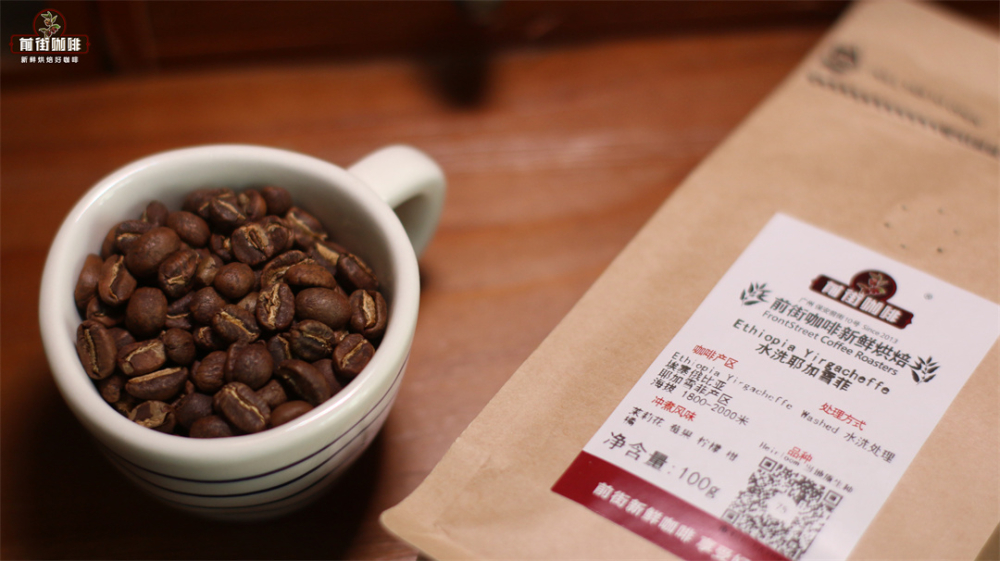
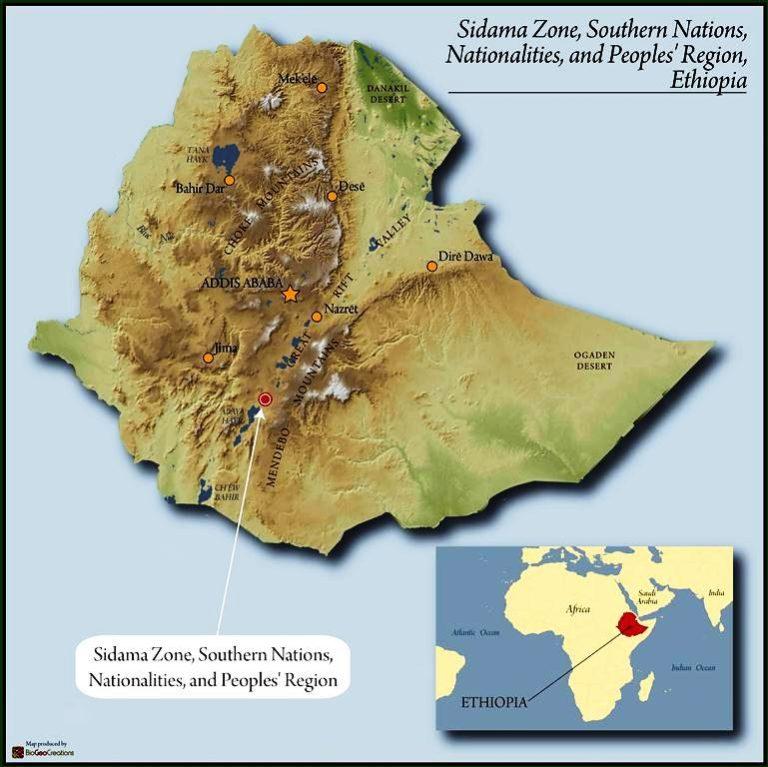
Sidamo is a major coffee-growing region in southern Ethiopia, bordering Kenya, with altitudes ranging from 1,400 to 2,200 meters. It is one of Africa’s most iconic specialty coffee areas. The washed beans produced here are typically light green in color, oval in shape, with a dense and plump appearance. Their aroma is distinctly fragrant, and they leave a long-lasting aftertaste that often carries unique wild notes. The region benefits from extremely diverse soil types, variable microclimates, and a wealth of native coffee varieties, meaning that coffee produced in different villages or communities—even within the same region—can exhibit vastly different characteristics.
Between 2010 and 2012, multiple Sidamo samples consistently scored between 92 and 94 on international authoritative coffee evaluation websites, demonstrating the stability and excellence of its green bean quality. The region features varied terrain, including high mountains, plateaus, valleys, and plains, coupled with deep, fertile volcanic soils that can reach two meters in depth. The topsoil, dark brown or brown in color, is rich in organic matter, naturally nourished by fallen leaves and plant debris, providing optimal growing conditions for coffee trees. Compared to typical African coffees, Sidamo beans usually exhibit clear fruit acidity, smooth mouthfeel, and delicate floral-herbal aromas, with a distinct and well-layered flavor profile.
Within Sidamo, there are several well-known sub-regions, the foremost being Guji. Originally part of Sidamo, Guji was managed under Sidamo but developed more slowly due to its remote location. Only in recent years has it gained recognition as a separate region thanks to its exceptional flavors. Guji is located on the plateau along the southern shore of Lake Awasa in the East African Rift Valley, at elevations between 1,500 and 2,200 meters. The area experiences significant day-night temperature variations, which help coffee cherries ripen slowly and accumulate richer sugars and flavor compounds. The region’s black soil is fertile, and the average altitude exceeds 1,800 meters—creating an ideal environment for cultivating high-quality coffee. Guji’s diverse terrain and microclimates result in highly varied coffee profiles, making it a top choice for many coffee enthusiasts exploring Sidamo.
Hambella, a sub-region within Guji, is renowned for producing high-quality natural-processed beans, with the flagship Huila coffee beans originating here. The area has around 20 processing facilities of varying sizes, and Huila comes from the Buku washing station located in Buku Abel village at an altitude of 2,200 meters. Farmers here carefully tend each coffee tree, often planting shade trees such as Enset around them to regulate sunlight intensity, ensuring even ripening without nutrient loss. Although Hambella is located in remote mountainous terrain with limited infrastructure, the farmers’ commitment to quality has allowed their coffee to stand out as a highly regarded natural-processed representative in the market.
Another noteworthy sub-region is Shakisso (also spelled Shakiso), situated at the border between Sidamo and Oromia, adjacent to the Gedi’o zone. This area was once a gold mining site, featuring complex terrain scattered with pits. It still faces challenges such as labor shortages and social issues, but local smallholder farmers have been dedicated to organic coffee cultivation since 2001, collaborating with medium-sized producers to grow coffee with unique characteristics in high-altitude forest environments. Though geographically remote, Shakisso is famed for its distinctive and layered flavors, making it one of Sidamo’s most unique micro-regions. The local specialty bean Nekisse (meaning “nectar from Shakisso”) is a legendary representative of the area, showcasing intense tropical fruit flavors and a honey-like finish.
Shakisso coffee often features bright citrus and lemon acidity, paired with fruity notes of white grape and blackcurrant, while the finish reveals the mellow warmth and lingering aroma reminiscent of Earl Grey tea. These flavor traits have earned Shakisso coffee widespread acclaim in the international market, attracting many specialty roasters to seek it out.
When it comes to Ethiopia’s coffee grading system, it primarily uses defect ratios as the basis, divided into six grades from G1 to G6, similar to the grading logic used in Indonesia. For washed beans, the highest grades are G1 and G2, with G1 being the top tier. G1 beans have an extremely low number of defects—typically no more than three primary defects per 300-gram sample. G2 allows slightly more defects but still maintains a high quality standard. For natural-processed beans, the highest grades are G1 and G3, as the natural process yields more intense and natural flavors, allowing a slightly higher defect tolerance while still emphasizing overall consistency. Generally, washed beans in G1 and G2 dominate the specialty market, while natural beans in G1 and G3 are considered premium options.
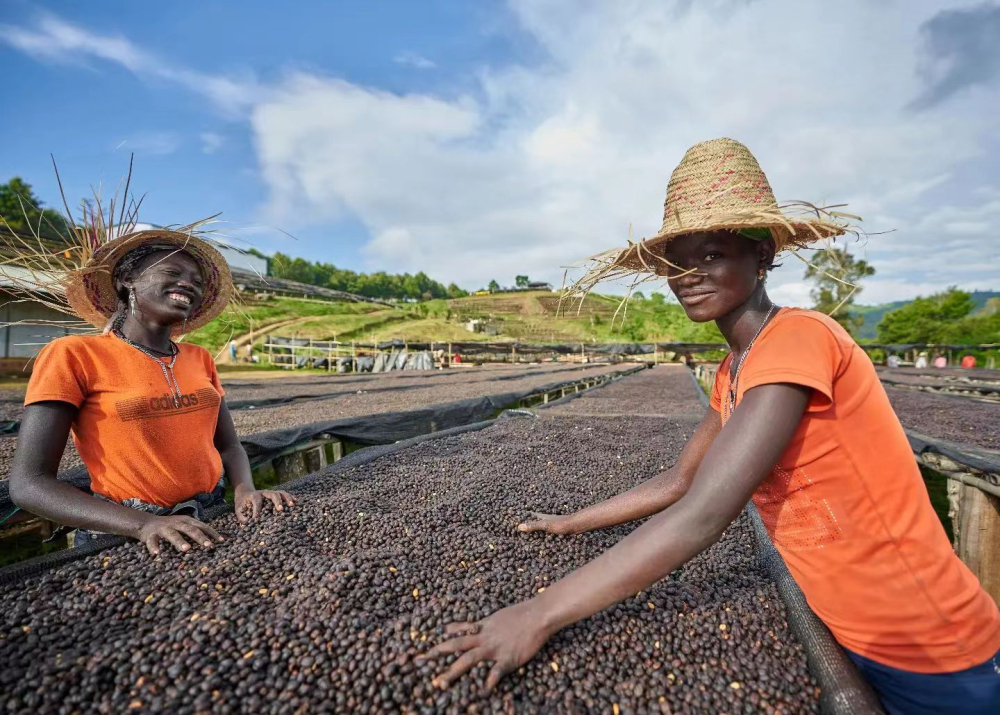
In terms of processing techniques, the washed method highlights the purity and clarity of the coffee, often delivering bright lemon and citrus acidity along with delicate floral notes. The mouthfeel is relatively clean, with lighter body. Meanwhile, the natural method is the most traditional and mainstream technique in Ethiopia, where coffee cherries are dried in the sun for several weeks until the moisture content drops to around 11%, after which the outer pulp is removed. This method preserves more fruit sugars and aromas, imparting rich tropical fruit acidity and a full-bodied mouthfeel. Sometimes it even carries a slight fermented note, making it a key technique for showcasing the unique characteristics of regions like Sidamo and Shakisso.
In summary, whether you prefer the bright and clean profile of washed coffee or the rich fruitiness of natural-processed beans, Sidamo and its sub-regions offer a wide variety of choices. Understanding the grading logic of G1 to G6 and how different processing methods affect flavor will help you make more informed and insightful selections when buying and tasting Ethiopian coffee.
The above content is compiled by CoffeeHunters, a coffee news website.


