







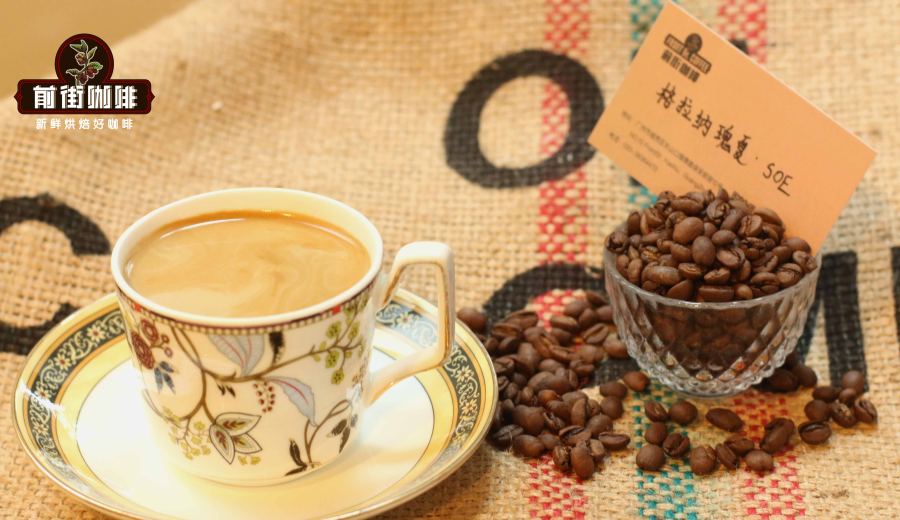
Introduction:SOE (Single Origin Espresso), or single-origin espresso, has gradually become a common item on café menus in recent years. Many people mistakenly believe that SOE is inherently more premium than blended beans, but in reality, its flavor profile depends on factors such as bean variety, roast level, and brewing method. This article delves into the definition and characteristics of SOE, explores the suitability and flavor tendencies of bean varieties from regions like Africa, the Americas, and Asia, and provides practical advice to help you find the SOE that best suits your taste.
SOE is short for Single Origin Espresso, referring to espresso made using coffee beans from a single origin. In recent years, this term has become increasingly common on café menus both domestically and abroad, yet many consumers still have only a vague understanding of it. SOE is not synonymous with being premium or expensive—its flavor quality is actually influenced by multiple factors including bean variety, roast level, brewing equipment, and personal preference. To brew a satisfying SOE, the first priority is choosing the right coffee beans—generally speaking,a medium or medium-dark roastoften yields a more balanced result.
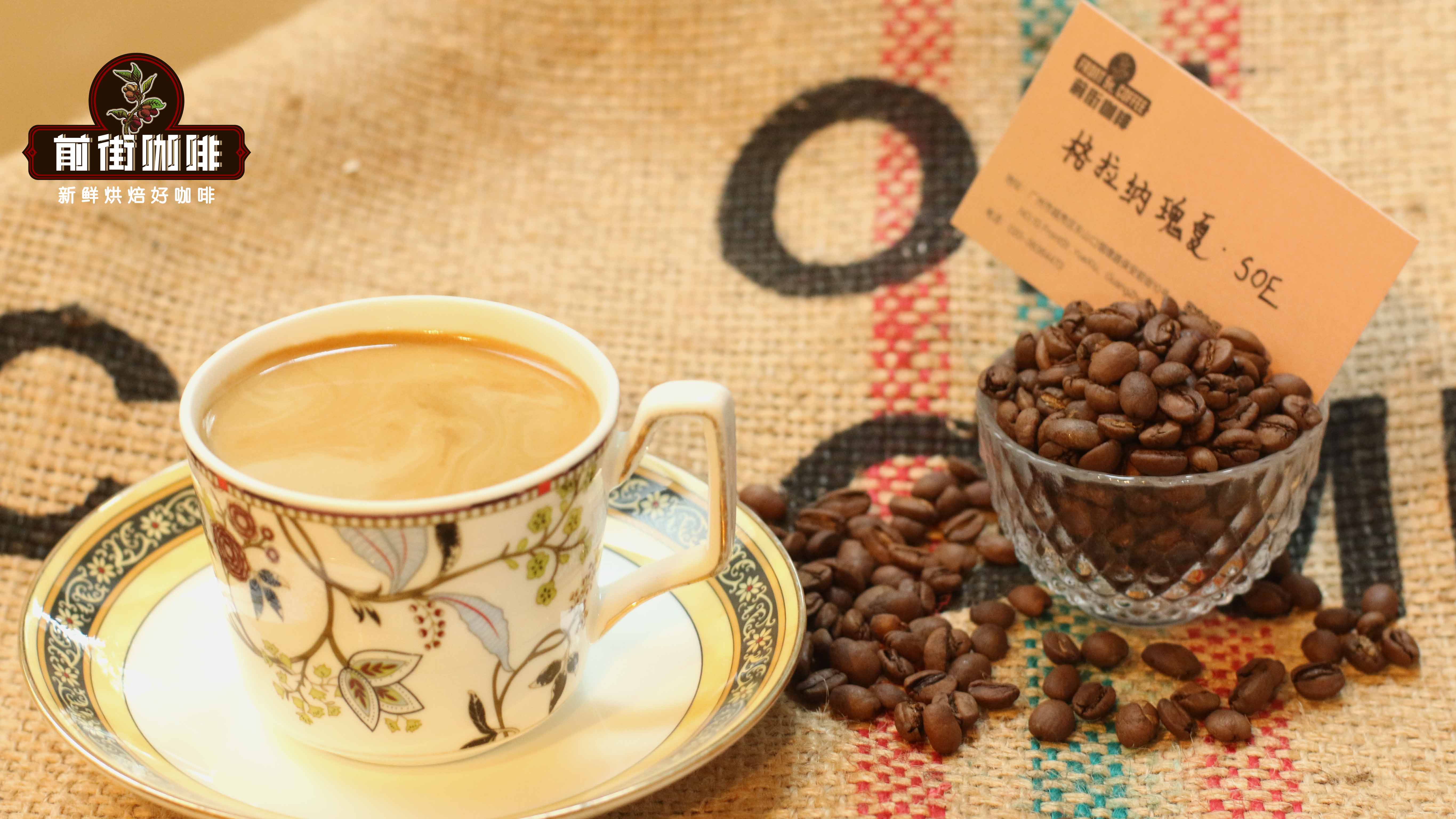
Many who are new to SOE may find this concept unfamiliar. In fact, SOE emerged on the international market over a decade ago and is now a fairly common offering overseas. In Taiwan and mainland China, however, it has only gained popularity in the past two or three years. If you're still unclear about SOE, it's worth taking the time to understand it better, as this term will likely appear more frequently in cafés in the future. In short, SOE is when the traditional espresso blend—such as the common chocolatey blend—is replaced with a single-origin coffee bean, then extracted under high pressure using an espresso machine. For example, lattes or Americanos made with single-origin beans can also be categorized as SOE-related products.
So, is SOE necessarily more delicious than blended coffee? The answer isn’t absolute. The overall performance of a cup of coffee is influenced by many factors, including bean quality, roast profile, brewing equipment, technique, and individual taste preferences. SOE simply means the espresso is made from a single-origin bean—it doesn’t guarantee that the bean is superior to a blend. Other elements are equally crucial. Therefore, we shouldn’t simply assume that SOE is better or more expensive—that’s a common misconception.
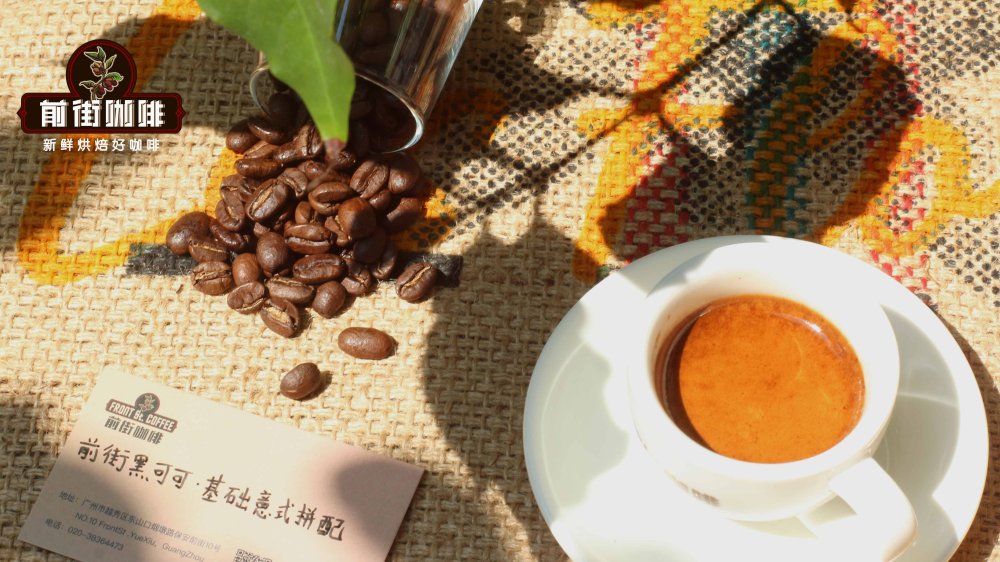
That said, as long as you choose the right bean variety and ensure proper brewing conditions, crafting a satisfying SOE isn’t difficult. The key lies in understanding the characteristics of different regions and making choices that suit your personal taste preferences.
When selecting coffee beans suitable for SOE, there are several key points to consider. Since espresso machines typically use very fine grind sizes and high-temperature, high-pressure extraction, beans that are roasted too light or too dark can easily result in flavors that are overly bitter or sharply acidic. Therefore, it’s recommended to prioritizemedium or medium-dark roastedbeans, as these tend to deliver a more balanced and complex flavor profile.
If you enjoy bright, floral notes, African-origin coffee beans are often a good choice. It’s recommended to go formedium-roastedoptions, such as beans from regions like Yirgacheffe or Geisha, which often feature vibrant citrus acidity, floral aromas, and citrus tones, lending a refreshing character to the SOE.
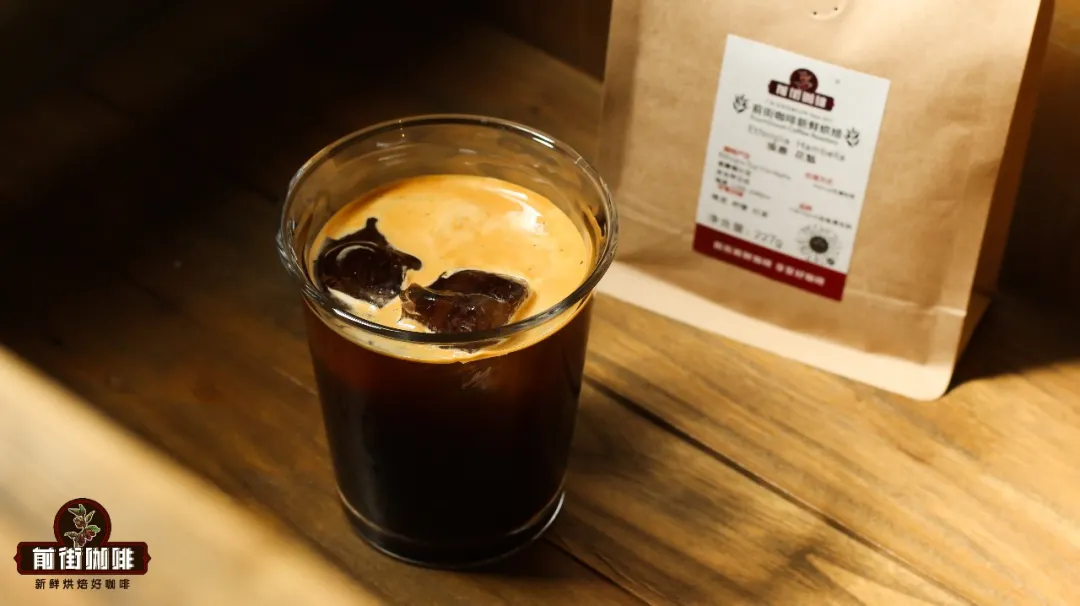
For those who prefer coffee with pronounced sweetness, a rounded mouthfeel, and minimal bitterness, beans from the Americas are worth trying. Suggested choices includemedium-roastedvarieties, such as certain offerings from Costa Rica, which typically exhibit caramel, nutty, and soft fruit notes, with a balanced acidity and sweetness and clear layering.
If you’re sensitive to acidity or find strong sourness unappealing, then medium-dark roasted beans from South America and Asia are a safer bet. These beans usually have low acidity and a rich body, featuring chocolatey, nutty, and spicy notes, resulting in a warm and smooth mouthfeel. Examples include single-origin beans from Brazil, Colombia, or Indonesia, which are common and well-loved options.
The above content is compiled by CoffeeHunters, a coffee news website.


