







Introduction:The Huila region of Colombia is renowned for its high altitudes and microclimates, producing coffee beans that balance nutty notes with bright berry acidity. This article delves into the characteristics of the washed processing method in this region—from altitude conditions and bean variety traits to the caramel and dark chocolate flavor profiles achieved through medium-to-dark roasting—and provides practical pour over parameters to help you fully showcase the layered taste of Huila beans.
Regions in southern Colombia such as Huila, Cauca, and Nariño, with their significant elevation differences, steep terrain, and varied microclimates, yield coffee beans known for their vibrant acidity and complex flavor layers, securing a place in the global specialty coffee market. Among them, the Huila region, as one of Colombia’s key coffee-growing belts, accounts for approximately 12% of the country’s total coffee output. Although details in flavor can vary depending on the estate or processing techniques, the overall profile is grounded in nuttiness, complemented by the mellow aftertaste of chocolate and caramel.
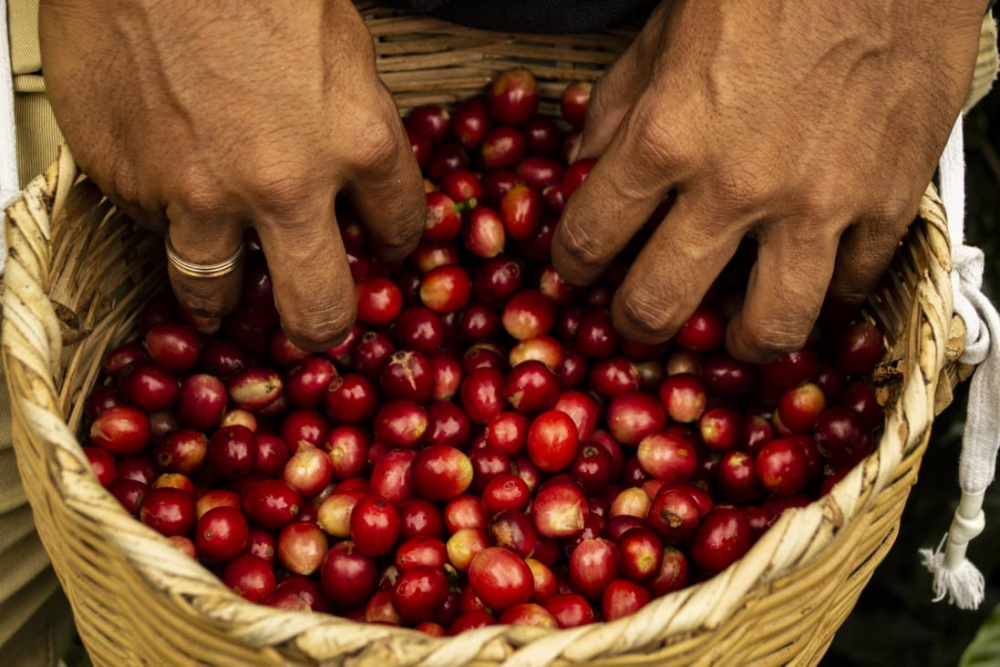
Taking a closer look at the geographical conditions of the Huila region, it is located in southwestern Colombia, featuring rugged terrain and elevations generally exceeding 2,000 meters. Coupled with significant day-night temperature variations, these factors promote slow maturation of coffee cherries, allowing for the accumulation of richer sugars and flavor compounds. Although not the largest producing area, the region’s unique microclimates foster competitive acidity structures and refined mouthfeel, making it an increasingly popular choice among coffee enthusiasts seeking new flavor experiences.
For those who prefer the washed processing method, Huila beans demonstrate an exceptionally balanced profile. When roasted to a medium-to-dark level, their roasted nut, caramel sweetness, and toffee richness are effectively highlighted, along with a silky smooth texture reminiscent of cream. This roast style caters not only to single-origin pour over lovers seeking bright fruit acidity but also performs well on moka pots or espresso machines, yielding rich crema and full-bodied mouthfeel.
Looking at a representative product specification, these Huila-sourced coffee beans use the Caturra variety, grown at high altitudes of around 2,000 meters and meticulously processed via the washed method. The flavor profile is anchored by roasted nuts, subtly infused with sweet notes of caramel and toffee, and finished with a velvety cream-like aftertaste. These traits make it an ideal entry point for pour over enthusiasts experimenting with medium-to-dark roasts. It is recommended to use a medium-fine to medium grind size, with water temperature controlled around 90°C to enhance flavor extraction efficiency.
If you’re looking for a more complex nutty character, consider a premium blend combining Brazilian Red Bourbon with washed Huila beans. This combination offers a richer balance of sweetness and bitterness, with a smooth mouthfeel and pronounced nutty aroma, supported by a harmonious base of chocolate and caramel, and moderate acidity that doesn’t overpower. The design intent of this blend is to merge the strengths of different regions, creating a daily drink option that balances stability with enjoyable complexity.
It is worth noting that Huila beans require extra care in storage and grinding. It is recommended to keep them in an airtight container in a cool, dry place, away from direct sunlight and humidity to preserve freshness. Adjust grind fineness according to your actual brewing equipment before grinding. For pour over, a moderate coffee-to-water ratio can be used—such as 10–12 grams of coffee per 150 milliliters of water—and a pulsed pouring technique can help ensure even extraction, fully highlighting its multi-layered flavor structure.
The above content is compiled by CoffeeHunters, a coffee news website.


