







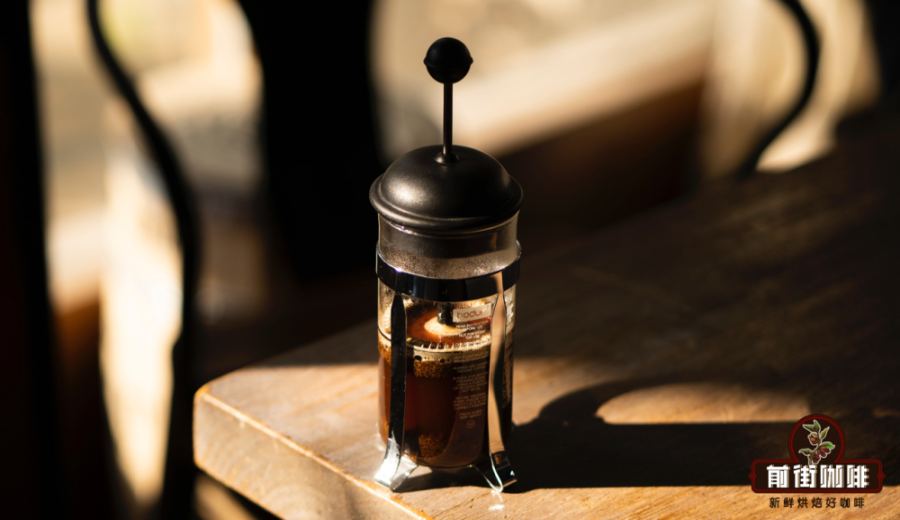
Introduction:The French press is easy to operate and requires no complex techniques, making it a staple brewing tool in the homes of many coffee enthusiasts. This article delves into the extraction principles of the French press, breaking down the four key factors that influence flavor: coffee-to-water ratio, grind size, water temperature, and steeping time. It also provides specific parameter recommendations for both medium-light and medium-dark roasted beans. Additionally, it reviews the historical evolution of the French press, introduces classic models, and offers practical maintenance tips to help readers choose a high-value French press.
With its intuitive operation and no need for elaborate methods, the French press has become a top choice for brewing coffee at home or in the office. Its most distinctive feature is the use of a metal filter to retain the natural oils of the coffee grounds, resulting in a richer and fuller-bodied brew. Unlike paper filters, it does not negatively affect the aroma profile.
This “all-in” immersion brewing method primarily relies on four variables: coffee-to-water ratio, coffee grind coarseness, water temperature, and the duration of contact between coffee grounds and hot water. Compared to pour over, the French press demands less brewing skill, making it suitable for beginners or those seeking convenience.
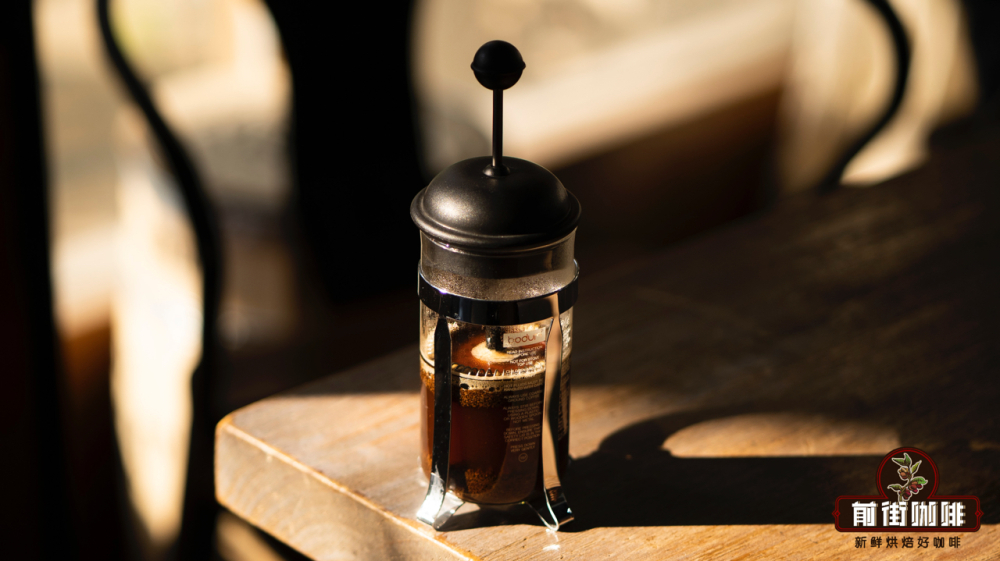
For coffee-to-water ratio, it is generally recommended to use a 1:15 to 1:16 proportion, meaning 15 to 16 milliliters of water per 1 gram of coffee grounds. This range balances richness and a refreshing mouthfeel, allowing most users to fine-tune according to personal taste.
Regarding grind size, since the French press is an immersion brewing method with a long contact time, it is advisable to use a coarser grind, similar in texture to sea salt. Too fine a grind can lead to over-extraction, resulting in pronounced bitterness, astringency, or even woody notes.
In terms of water temperature, for medium-light roasted beans—such as those with prominent fruity acidity and floral notes—it is recommended to use water at 92–94°C to fully bring out their vibrant aromas and layered complexity. For medium-dark roasted beans, which tend to exhibit flavors of chocolate, nuts, and caramel, water at 89–90°C is more suitable to avoid over-extraction and excessive bitterness.
Steeping time is the core parameter for adjusting flavor with the French press. Generally, a 4-minute steep is recommended for optimal extraction of medium-light roasted beans, while medium-dark roasted beans should be reduced to 3 minutes and 30 seconds to prevent unwanted flavors from over-extraction. Under the same conditions, extending the steeping time can increase intensity but may also release impurities, negatively impacting overall mouthfeel.
Tracing back to the history of the French press, its earliest prototype dates to 1852, when French inventors Mayer and Delforge created a metal-filter coffee brewing device. It already featured the basic concept of separating coffee grounds with a filter and applied for a related patent. Later, during the 1930s to 1950s, through improvements by several designers in Italy and France, it gradually took on the familiar form we know today.
In the 1990s, the Danish brand Bodum brought the French press to the global market. With its minimalist design and user-friendly features, it became the representative brand of this type of brewing device. However, there are also many cost-effective alternatives on the market, and consumers can choose based on their budget and usage needs.
The French press is particularly well-suited for medium-dark roasted beans and above, as it highlights their rich characteristics such as chocolate, nuts, caramel, and even wine-like notes. Commonly recommended beans include medium-dark roasts from regions like Brazil, Honduras, and Indonesia, which often showcase a full-bodied and balanced flavor profile.
Finally, a reminder: be sure to clean your French press promptly after use, especially the internal metal filter and plunger, which are prone to residual coffee oils. If not cleaned properly, these can oxidize and deteriorate over time, affecting the flavor of subsequent brews. It is recommended to disassemble the metal components after each use, thoroughly clean them with a neutral detergent, and allow them to dry completely to ensure hygiene and brewing quality.
The above content is compiled by CoffeeHunters, a coffee news website.


