








Introduction:As one of the most widely consumed types of black coffee around the world, Americano is not only a daily pick-me-up in Europe and America, but has also sparked a trend of espresso dilution across Asia. This article delves into the evolution of Americano—from its origins as a military drink during World War II to modern brewing techniques—explains in detail the golden ratio between espresso and water, compares the flavor differences between hot and iced versions, and recommends classic blends suitable for various brewing methods to help readers find their own perfect balance of taste.
As a classic representative of the black coffee family, Americano stands out with its refreshing and non-greasy profile, consistently ranking high on café order lists. This beverage, which uses espresso as its base and adjusts concentration by adding hot or cold water, can be traced back to the World War II era—when American soldiers stationed in Europe diluted local espresso with hot water to create a more palatable version. The English name “Americano” originates from this historical anecdote.
The true charm of Americano lies in its rich and layered taste experience. A quality cup should not be dominated by a single note of bitterness, but instead present a well-balanced interplay of acidity, sweetness, and bitterness, accompanied by a lingering aromatic finish.Professional baristas point out that an ideal Americano should exhibit bright acidity reminiscent of citrus or berries upon the first sip, followed by a sweet sensation of caramel or nuts in the mid-palate, with the finish retaining the inherent richness of the coffee beans.

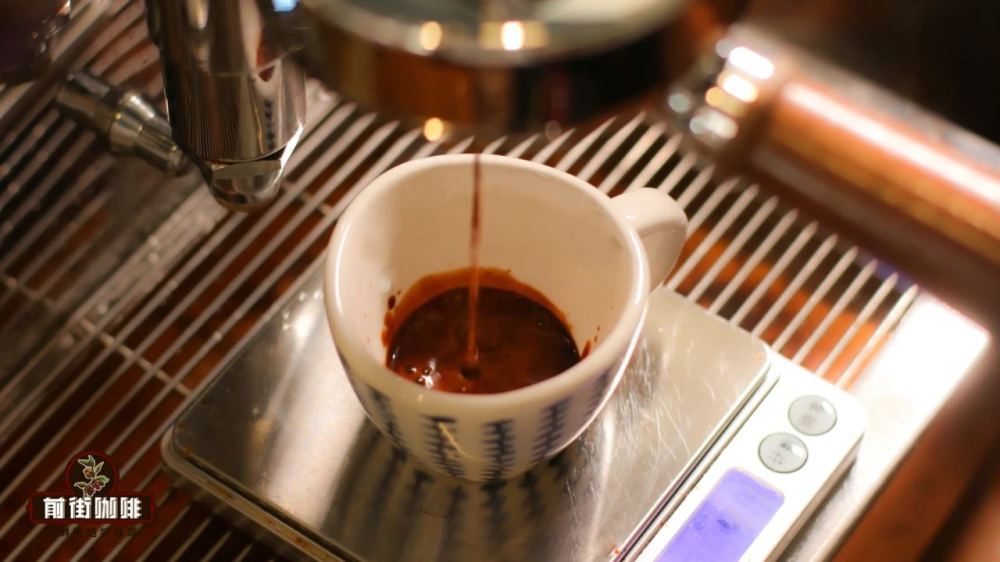
Though the modern brewing process may seem simple—just pour extracted espresso into hot or cold water—it is actually every step along the way that influences the final flavor. From controlling the dose in the espresso machine (typically 9–10 grams for a single shot), to ensuring even distribution of coffee grounds, as well as fine-tuning extraction time (recommended at 25–30 seconds) and pressure settings, any slight deviation can compromise the overall result. It’s worth noting that,when observed in a transparent cup, an ideal Americano should display an amber to light brown hue. A color that is too light may indicate under-extraction, while one that is too dark could suggest over-extraction.
For different brewing needs, the golden ratio of espresso to water varies significantly:Traditional hot Americano is recommended to follow a ratio of 1:8 to 1:12 for espresso to water.However,laboratory data shows that when using specific blends, a ratio of 1:5 to 1:6 better highlights the wine-like aroma and cocoa aftertaste.As for iced Americano, besides maintaining the same initial ratio, the water volume resulting from melted ice must also be taken into account—the industry recommends reserving about 100ml of space for melted ice in every 500ml drinkto avoid excessive dilution later on.
Temperature also plays a significant role in flavor: hot drinks can activate the volatile aromatic compounds in coffee, enhancing floral and fruity notes and overall aroma intensity; iced drinks, on the other hand, suppress the excessive release of acidity through low temperatures, highlighting sweetness and body. Professionals suggest choosing based on the time of day—for a morning caffeine boost, go for a hot drink for quick absorption, while an iced option is better suited for a refreshing mid-afternoon pick-me-up.

The choice of blend directly determines the final flavor profile. Taking a classic three-component recipe as an example, common Brazilian beans (providing a nutty-chocolatey base), Indonesian beans (adding earthy and spicy notes), and Vietnamese Robusta (enhancing body and crema performance) are combined through varying roast levels (usually medium-dark to dark roast) to achieve flavor balance. It’s particularly important to note thatwashed-process beans can enhance clarity of acidity, while natural-process beans elevate sweetness and fruity notes..
For home brewers, it’s recommended to start with the following basic parameters: use a double shot of espresso (around 18–20 grams of coffee) to extract 36–40ml of espresso, then combine with 240–300ml of hot water for a standard ratio. If you prefer a stronger flavor, you can go for a 1:5 ratio (approximately 18 grams of coffee yielding 36ml of espresso + 180ml water). For iced Americano, it’s suggested to use a pre-chilled cup, fill the cup one-third full with ice before pouring in the espresso, and then top up with cold water to control the rate of dilution.
When tasting Americano, it’s advised to follow a three-step approach: “smell – sip – savor.” First, evaluate the dry and wet aromas (which should include distinct roasty notes and unique characteristics of the bean variety). Then take a big sip to allow the coffee to evenly coat your taste buds (pay attention to the distribution of acidity on the tip of the tongue, sweetness on the sides, and bitterness at the back). Finally, observe the duration and texture of the aftertaste after swallowing (a quality cup should maintain a pleasant finish for 15–30 seconds).
The above content is compiled by CoffeeHunters, a coffee news website.


