







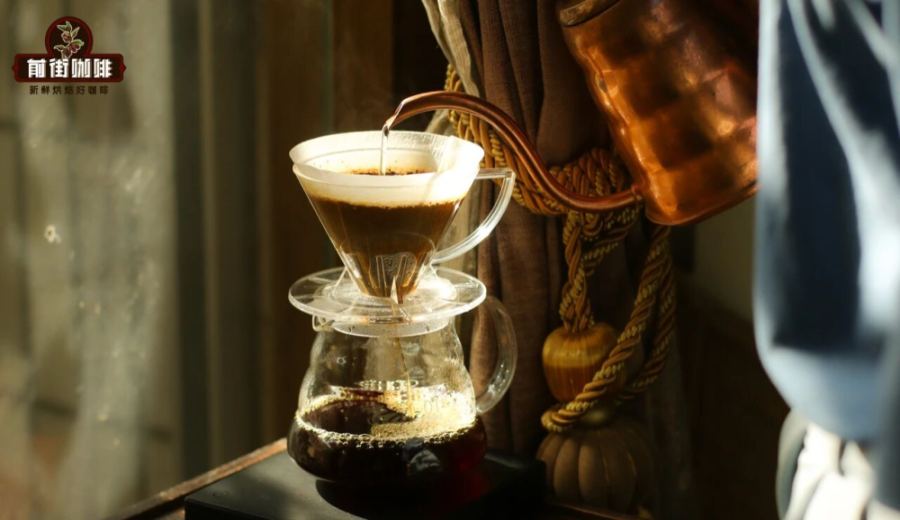
Introduction:In the world of pour over coffee, the shape of the filter cone directly impacts extraction efficiency and flavor expression. The Kalita trapezoidal filter cone and the Hario V60 conical filter cone are two classic designs most often compared, but why have most specialty coffee shops now adopted the V60 as their go-to? This article presents a practical extraction comparison to analyze how their structural designs influence water flow, coffee bed expansion, and final flavor profiles, while also explaining why the trapezoidal filter cone remains favored by chain brands—helping you choose the most suitable filter cone based on your preferences.
Pour over coffee has evolved significantly over the years, and filter cone designs have diversified from the singular to the multifarious. Yet today, walk into most specialty coffee shops and you’ll find them almost uniformly using large-hole conical filter cones, particularly those of one well-known brand’s V60. In contrast, the once widely used trapezoidal filter cones, such as one brand’s 101, have gradually faded from the mainstream. What exactly led to this shift? Based on actual extraction tests, this article uses two beans—one brand’s washed Yirgacheffe and Jamaican Blue Mountain—to compare the 101 and V60 under identical parameters, offering a comprehensive analysis of their differences in flavor performance, structural design, and practical usability.
In fact, the world’s first commercial filter cone was a trapezoidal design launched by the German brand Melitta in the early 20th century. Its inverted trapezoidal shape, wider at the top and narrower at the bottom, featured a single hole and was used with fan-folded filter paper. At that time, pour over coffee was not yet widespread and mainly existed as a marginal tool for home use. It wasn’t until 1959, when the pour over culture emerged in Japan, that the Kalita brand improved upon this with a three-hole design, creating what is now the representative of modern trapezoidal filter cones. The V60, on the other hand, was born around the year 2000, introduced by Japan’s Hario, and quickly gained popularity thanks to its sleek conical design and large spiral ribs.
To more intuitively understand the differences between these two filter cones, we selected two coffee beans with distinct flavor profiles for comparison:One brand’s washed Yirgacheffeandone brand’s Jamaican Blue Mountain, while maintaining consistent extraction parameters—including coffee dosage, water temperature, grind size, and brew ratio—the only variable being the type of filter cone. From the actual results, the V60, when brewing Yirgacheffe, clearly highlighted bright citrus acidity, white floral notes, and a green tea aftertaste, with a well-defined flavor layering and a clean, refreshing mouthfeel. Meanwhile, the 101 brought out richer fruit sweetness and a more pronounced tea-like character, resulting in a fuller and more balanced overall taste. When brewing Blue Mountain coffee, the V60 amplified the dominant notes of dark chocolate and nuts, while the 101 rendered these flavors even more mellow, with excellent balance of acidity, sweetness, and bitterness, and a smoother mouthfeel.
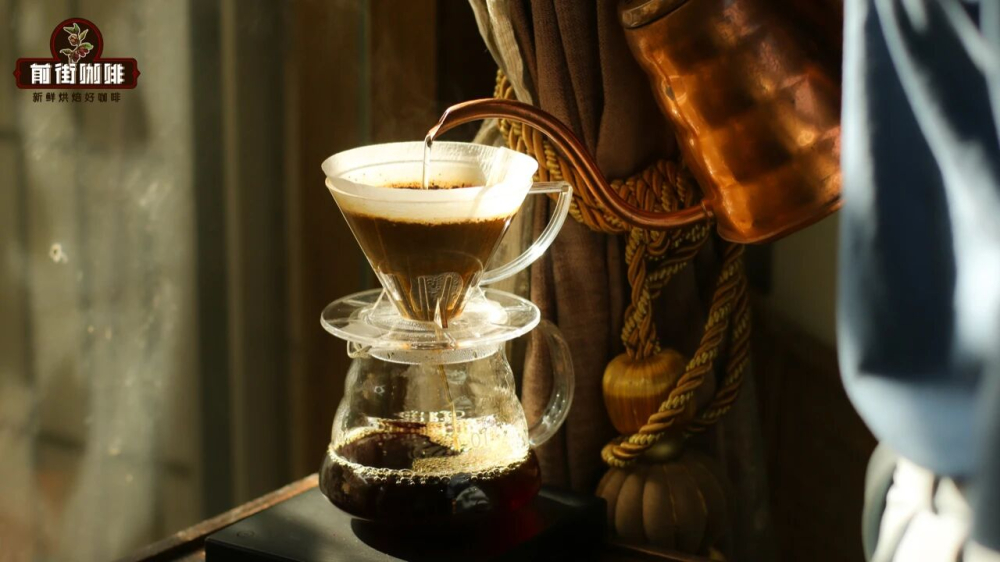
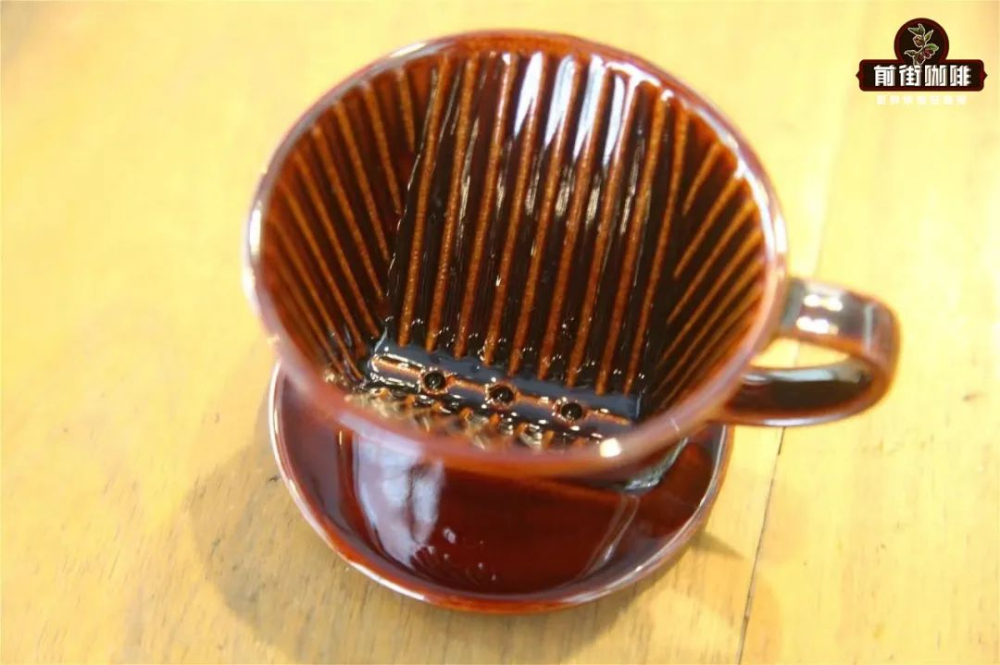
These flavor differences primarily stem from the structural design of the filter cones. The V60 features spiral-shaped, alternating long and short ribs paired with a central large hole, allowing the brewing water to quickly penetrate the coffee bed, effectively reducing immersion time and highlighting the unique individuality and bright flavors of the coffee beans. Its conical structure also facilitates more uniform coffee bed expansion during pouring. In contrast, although the Kalita 101 also has ribs, they are arranged vertically and primarily serve to vent gases during the blooming phase rather than guide water flow. Its three-hole design significantly slows down the drawdown speed, and the trapezoidal structure makes it harder to control even pouring, leading to a longer immersion extraction process that enhances body and flavor balance.
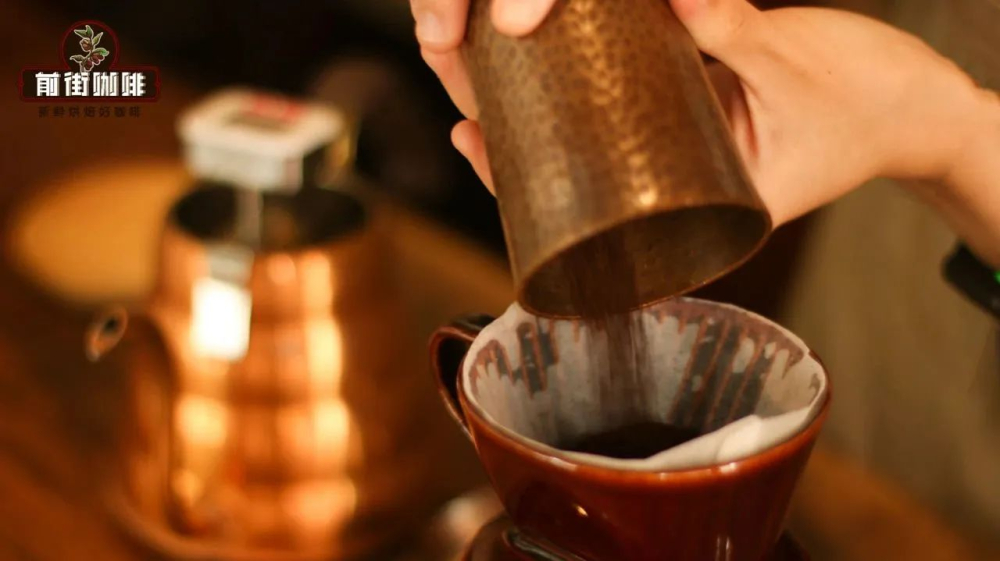
If you prefer low-acidity, full-bodied, and smoothly rounded coffees, consider trying medium to dark roasted beans such as one brand’s PWN Golden Mandheling, Queen’s Estate, Brazilian Cerrado, or Blue Mountain No. 1. These coffees typically feature nutty, caramel, and chocolatey bitter-sweet profiles that complement the extraction characteristics of trapezoidal filter cones.
Returning to the original question: why are trapezoidal filter cones becoming increasingly rare in specialty coffee shops? The key lies in the dual influence of market trends and operational convenience. The V60 emerged during the rise of the light roast movement, where its ability to vividly express the fruit acids, floral notes, and layered complexity of coffee perfectly aligned with consumers’ then-desire for “distinctive flavors.” Coupled with extensive subsequent marketing and education, the V60 became synonymous with pour over coffee. While the trapezoidal filter cone excels in stability, its slower drawdown and relatively mild flavor expression have caused it to gradually lose its mainstream status in the specialty coffee market, which emphasizes individuality and expressive flavor profiles.
However, the trapezoidal filter cone has not completely exited the stage. In many chain brands or coffee shops with high staff turnover, the Kalita filter cone still holds its ground. This is thanks to itsease of use and stable flavor output. Due to its slower drawdown, the overall extraction process is closer to immersion brewing, reducing reliance on pouring technique. As long as the brew ratio, water temperature, grind size, and timing are well-controlled, even beginners can consistently produce a balanced cup—a highly appealing trait in a commercial setting.
In summary, the V60 and Kalita 101 each have their strengths: the former suits pour over enthusiasts who pursue layered flavors, bright acidity, and distinct profiles, while the latter excels at delivering rich, balanced, and stable taste experiences—especially with medium to dark roasts or for those who prefer gentler expressions. Ultimately, the choice of filter cone depends on your flavor expectations and brewing priorities.
The above content is compiled by CoffeeHunters, a coffee news website.


