








Introduction:Struggling with bitterness, greasiness, or poor latte art when making oat milk lattes at home? This article will guide you step-by-step through challenges such as coffee bean selection, milk foam ratio, and latte art techniques, offering practical tips to help you achieve café-quality taste and visual appeal with ease. Whether you're a beginner or an experienced home barista, there's something here for you.
Plant-based milk lattes have become a favorite among many coffee enthusiasts, especially oat milk which is lactose-free and brings a unique smooth flavor when paired with coffee. However, many face issues when trying to replicate this at home, such as unbalanced flavors, overly bitter or greasy tastes, or failed latte art. By selecting the right coffee beans, adjusting the oat milk ratio appropriately, and mastering stable milk frothing, you can create a smooth and visually pleasing oat milk latte at home.
Plant milk refers to dairy alternatives made by blending natural grains or seeds—such as oats, legumes, and water. Not only is it suitable for those who are lactose intolerant, but it also offers a completely different flavor profile compared to traditional milk. Oat milk, with its naturally creamy texture and neutral flavor, complements coffee well, but its characteristics also require more refined preparation techniques.

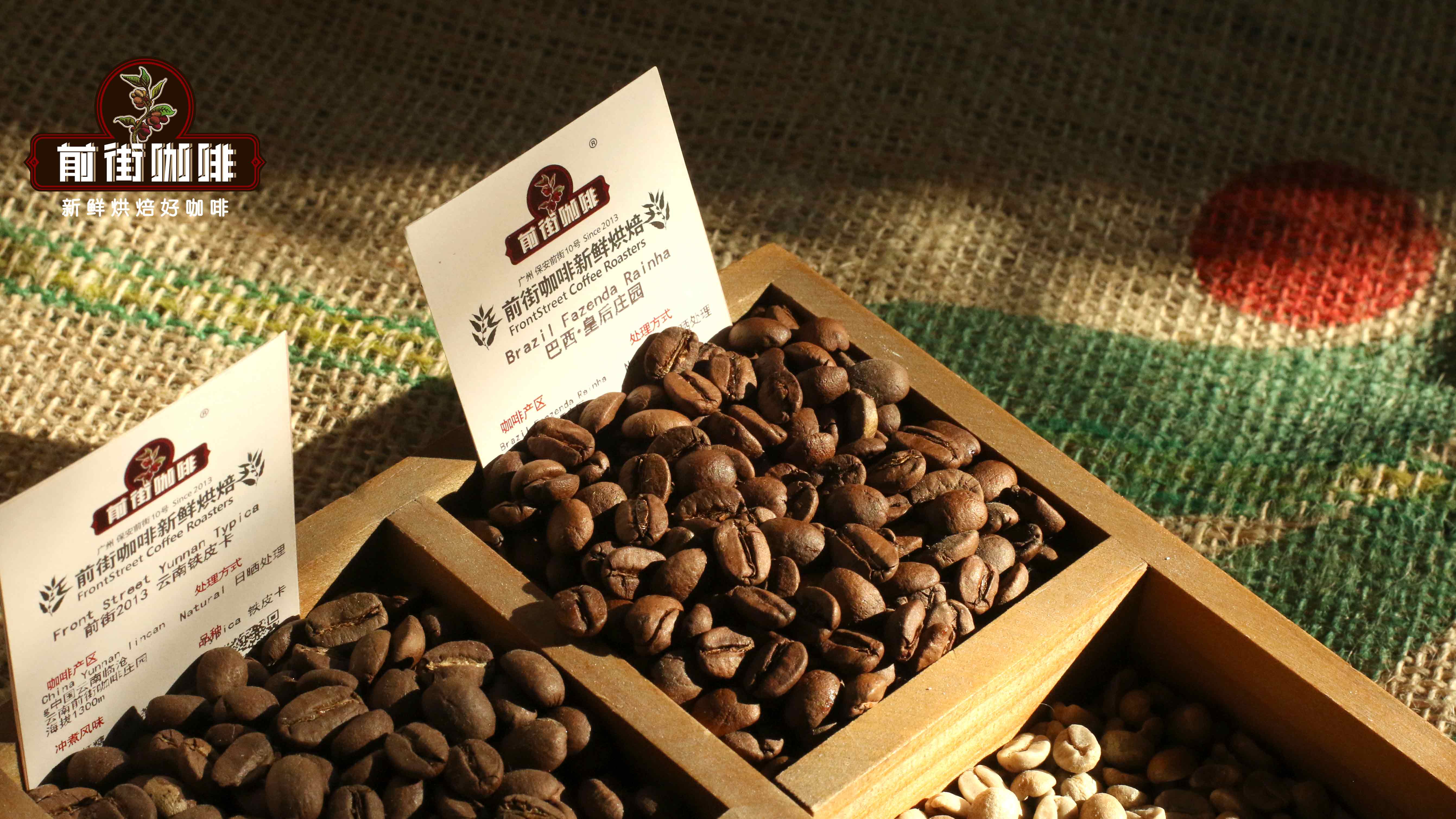
Many people report that their homemade oat milk lattes often taste overly bitter. This is usually due to an improper match between the roast level of the coffee beans and the characteristics of the plant milk. Simply substituting regular milk with dark roasted beans in equal amounts can accentuate bitterness. It’s recommended to choosemedium roastedbeans, such as those with nutty and caramel aromas and a slight touch of acidity. These beans can balance oat milk’s neutral flavor and prevent the bitterness from overpowering the cup.
Another useful tip is to moderately increase the proportion of oat milk, which can effectively buffer the strong flavor of the coffee, resulting in a rounder overall taste. It won’t feel bland due to insufficient sweetness. If you prefer a smoother coffee expression, you can also try a fruit-forward blend—for example, combining beans from Costa Rica, Colombia, and Ethiopia—to bring out floral, citrus, and berry notes. The resulting espresso base better highlights the soft texture of oat milk.
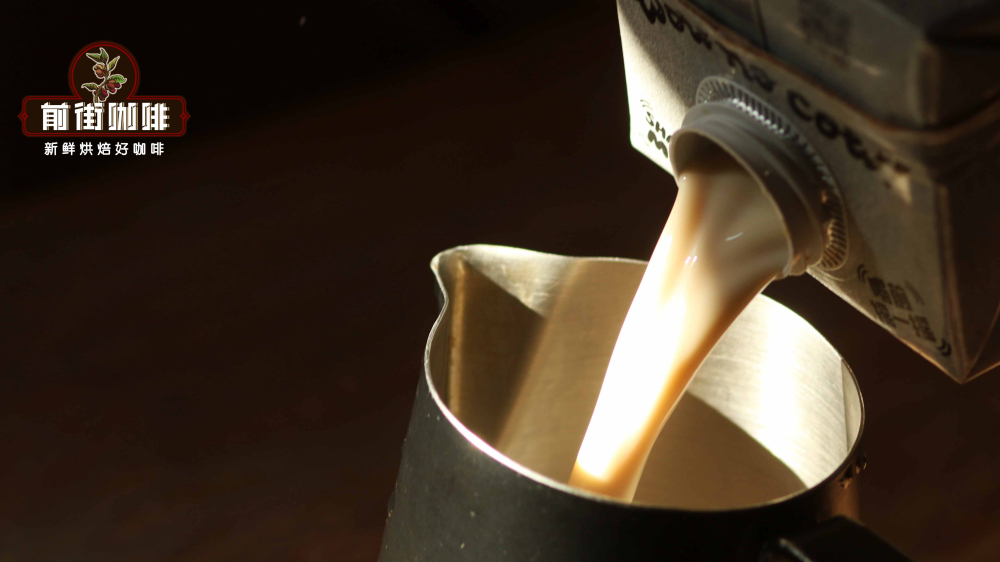
The issue of plant milk lattes feeling greasy often stems from using both coffee and plant milk with overly intense flavors. When these two heavy profiles overlap, it can become cloying after just a few sips. Even when using milk, different brands and fat contents will affect the final taste. Therefore, it’s advisable to choose a relatively refreshing and less heavy plant milk based on the flavor profile of your coffee beans, or adjust the beans to a medium-dark roast range for a more balanced taste experience.
For example, if you use a medium-dark roast blend with prominent chocolate, nut, and caramel notes, paired with a plant milk that has a strong milky flavor, the entire drink can easily become overly rich. In this case, consider reducing the espresso concentration or switching to a neutral-tasting, smooth oat milk to help achieve a fresher overall balance.
Latte art presents another challenge with oat milk lattes. Many find that the foam is thinner and harder to shape when using plant milk, which is generally related to the lower protein content in such milks. Compared to cow’s milk, oat milk has less natural protein, resulting in less stable and thinner foam, which in turn affects the fluidity and stability of latte art patterns.
To improve this, it’s recommended to slightly extend the frothing time when steaming oat milk, aiming for a foam thickness about0.5~1 centimeterthicker than what you’d typically get with milk. Although this reduces fluidity a bit, the improved stability makes it easier to control latte art movements and create clear patterns. Additionally, maintain a steady angle of the pitcher and rotate it at a medium-low speed while steaming, to evenly incorporate air into the milk. This helps form fine, moderately dense foam with good structure.

In summary, to make a cafe-quality oat milk latte at home, the key lies in three aspects: selecting the right coffee bean roast level and flavor profile, adjusting the oat milk-to-coffee ratio for balanced taste, and mastering the technique of stable milk frothing. Each step may need fine-tuning depending on the actual ingredients used. With repeated experimentation, you’ll be able to recreate professional-grade oat milk latte flavors and visuals with ease.
The above content is compiled by CoffeeHunters, a coffee news website.


