







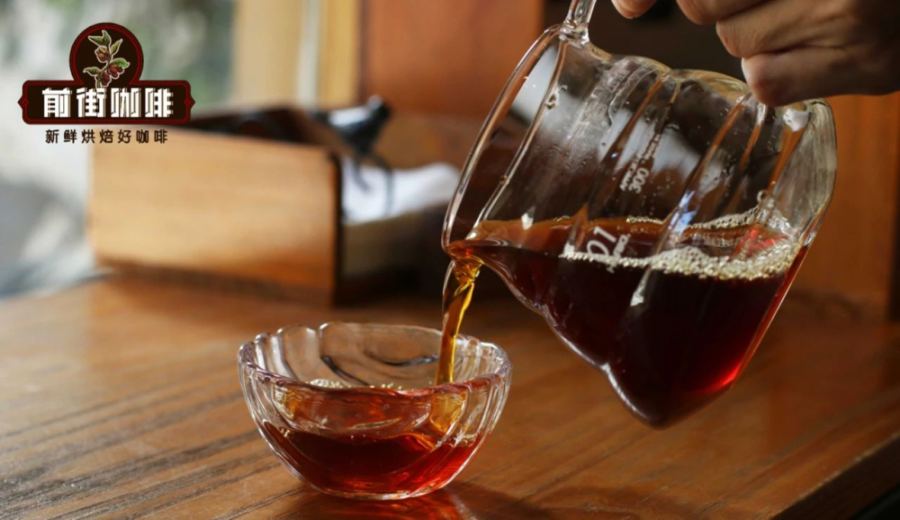
Introduction:Jamaica Blue Mountain No. 1 coffee is hailed as a legend in the coffee world, renowned for its rarity and exceptionally well-balanced flavor. This article delves into the history, terroir, and variety characteristics of Blue Mountain coffee, and thoroughly explains the three key identifiers of authentic Blue Mountain coffee. It also explores the differences between washed and natural processing methods, along with precise pour over brewing recommendations and parameters to help you fully grasp the essence of this classic coffee.
Long before the rise of specialty coffee, Jamaica Blue Mountain coffee was already a symbol of quality among global coffee enthusiasts and an important benchmark for evaluating coffee excellence. According to many professional coffee institutions and roasters, the uniqueness of Jamaica Blue Mountain No. 1 lies in its perfect balance among acidity, sweetness, and bitterness. To help more people gain an in-depth understanding of this classic, this article will start from the historical origins of Jamaica Blue Mountain No. 1 and gradually explore its growing conditions, authentic certification, processing technique differences, as well as practical pour over recommendations, providing a comprehensive analysis of the charm of this world-class coffee.
The history of Jamaican coffee dates back to the early 18th century. In 1717, King Louis XV of France ordered the introduction of coffee cultivation to Jamaica. By the mid-1720s, then Governor of Jamaica Sir Nicholas Lawes introduced Arabica seeds from Martinique and successfully planted them in the St. Andrew area, later expanding cultivation to the Blue Mountains. Depending on altitude, Jamaican coffee is categorized into high-altitude Blue Mountain coffee, high mountain coffee, and regular Jamaican coffee, with prices increasing accordingly.
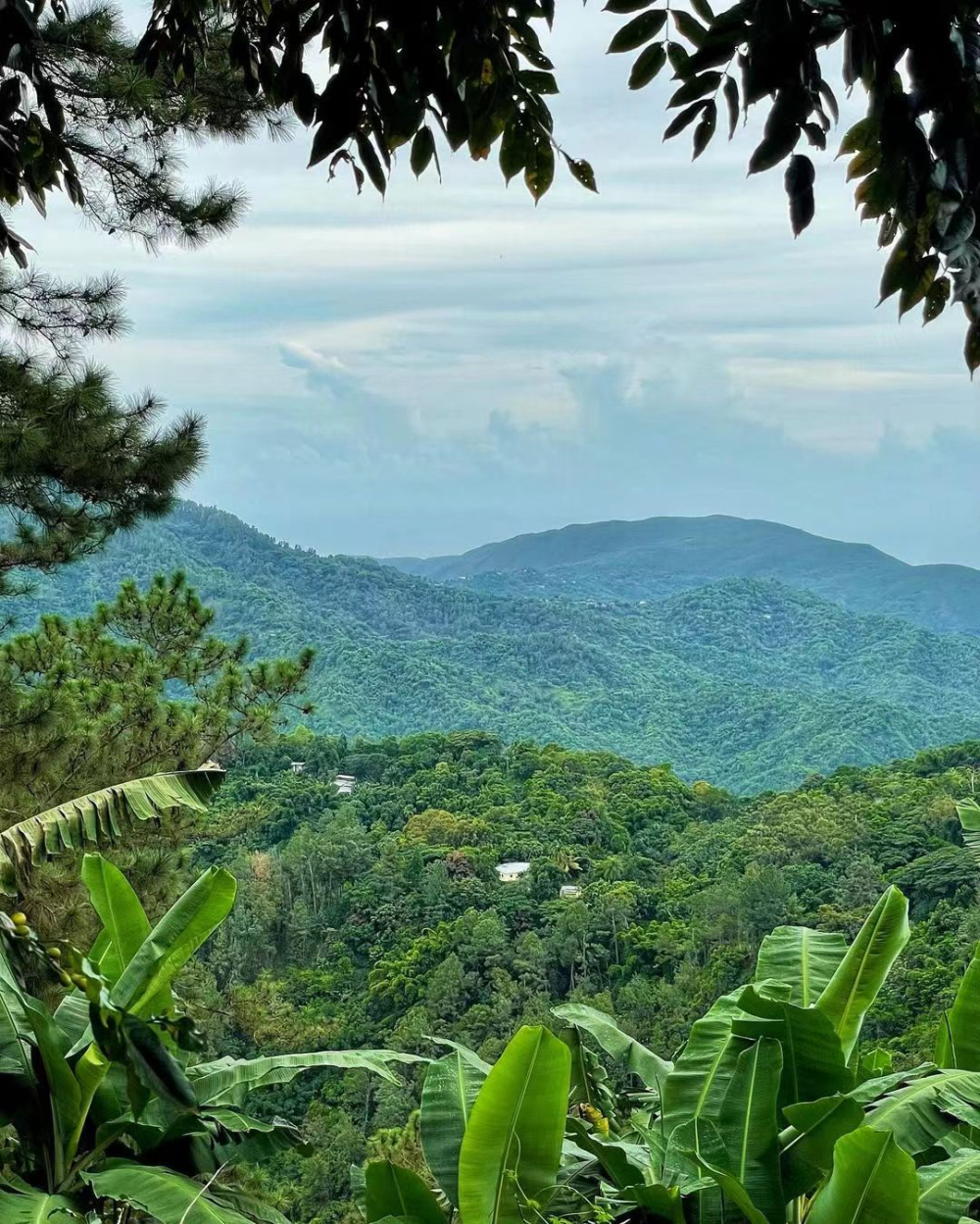
The Blue Mountains are located on the eastern coast of Jamaica and are the highest peaks in the Caribbean region, with the highest elevation reaching 2,256 meters. However, only areas between 800 and 1,700 meters above sea level are suitable for coffee cultivation, while regions above 1,700 meters are designated as nature reserves. The region features a humid and foggy climate, with an average annual rainfall of nearly 1,980 mm and a stable day-night temperature difference of around 27°C, along with fertile volcanic soil that nurtures the uniquely flavored Jamaica Blue Mountain No. 1 coffee. Currently, most of the authentic Blue Mountain No. 1 available in the market comes from the Clifton Estate at an altitude of approximately 1,310 meters.
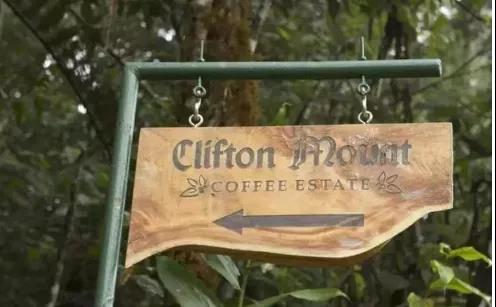
The Clifton Estate in Jamaica is one of the oldest coffee-producing regions in the country and remains in operation today. It is also the only coffee farm on the island to have received “Rainforest Alliance Certification (RFA).” As early as around 1750, coffee cultivation began in Clifton. Though currently operated on a small scale, it strictly adheres to the quality standards set by the Jamaica Coffee Industry Board (CIB), where Blue Mountain No. 1 green beans must meet strict criteria such as a screen size of 17 or higher, a defect rate below 3%, and a moisture content of about 13%.
How can you identify genuine Blue Mountain No. 1 coffee? You can start with the following three key elements:
First, ensure it is authentic Blue Mountain coffee exported by an export company designated by the Jamaica Coffee Industry Board (CIB). Due to the limited production of Blue Mountain coffee, global distribution is extremely restricted, with major markets such as Japan, the United States, and Europe taking up most of the quotas. According to statistics from the International Coffee Organization in 2013, Japan received 85% of the Blue Mountain No. 1 quota, while the United States, Europe, and other regions each received only 5%. Starting in 2005, the Jamaican government adjusted its strategy to encourage local roasting of Blue Mountain coffee before export, ensuring product purity and quality.
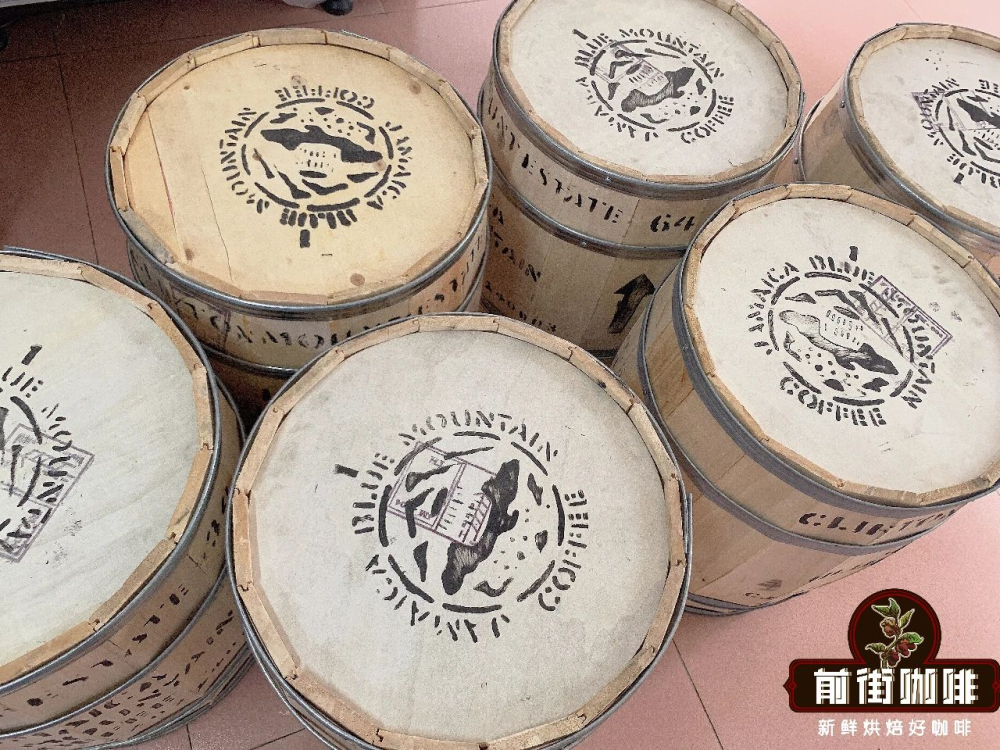
Second, Blue Mountain coffee is the only origin that uses wooden barrels for shipping green beans. Unlike other coffees that are mostly transported in jute sacks, Blue Mountain coffee follows the tradition from the British colonial era by using wooden barrels made from temperate hardwoods in the United States for storage and transport. This not only helps preserve the coffee’s aroma but also effectively prevents odor contamination, maintaining the original quality of the green beans.
Third, look for the “Rainforest Alliance Frog Logo” on the barrel. The Clifton Estate is the only farm in Jamaica with “Rainforest Alliance (RFA) Frog Certification.” Its barrels are stamped with a frog symbol on the lid, signifying that the batch of coffee meets high standards of sustainable agriculture and environmental friendliness.
In terms of processing methods, the Clifton Estate traditionally employed the washed process for a long time. This involves removing the pulp and flesh, followed by 12 to 18 hours of fermentation, then rinsing with clean water to remove the mucilage until the bean surface is smooth. The beans are then dried inside the parchment layer until the moisture content is reduced to 12% to 14% before screening and storage. This traditional method gives Blue Mountain coffee a rich aroma, smooth mouthfeel, and well-balanced flavor profile.
In 2019, the Clifton Estate first experimented with the natural (sun-dried) processing method, and began small-batch exports in 2020. The natural process alters the traditional flavor profile, delivering more intense fruitiness and fermentation notes. Compared to the clean and balanced taste of the washed method, sun-dried Blue Mountain often exhibits subtle berry acidity, dark chocolate, nuts, and a hint of smokiness—making it ideal for those who enjoy a more complex cup.
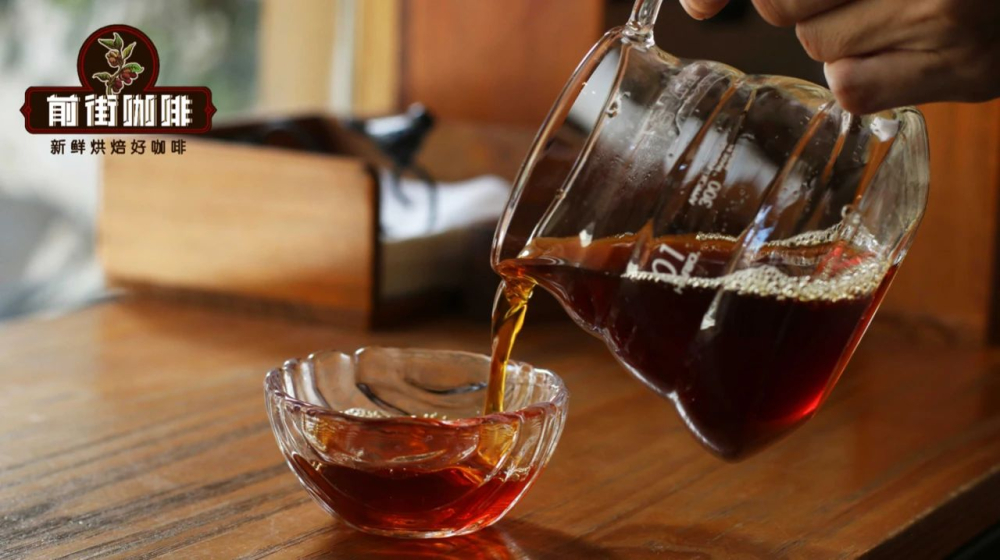
For both washed and natural Blue Mountain coffees, a medium-dark roast is recommended to enhance the balance of acidity, sweetness, and bitterness, as well as the overall body. For actual pour over brewing, it is suggested to use a 1:15 coffee-to-water ratio, a grind size of around 75% passing through a 20-mesh sieve, water temperature controlled at approximately 88°C, and a slower-flow filter such as the KONO or Kalita wave to fully highlight the delicate flavors of Blue Mountain coffee.
Washed Blue Mountain Pour Over Brewing Recommendation (Three-Step Method):
1. Start with a 30g bloom pour for about 10 seconds to allow the coffee grounds to degas.
2. Then pour 125g of water in small streams in a circular motion from the center outward. Wait for about 1 minute until the coffee bed settles.
3. Pour again to reach a total of 225g, taking about 2 minutes in total. Then stop pouring and wait for the coffee to fully drip through.
4. Finally, gently swirl the brewer to even out the concentration, and it’s ready to enjoy.
The flavor profile of washed Blue Mountain No. 1 is characterized by pronounced black chocolate and nutty notes, a clean and full-bodied mouthfeel, excellent balance of acidity, sweetness, and bitterness, and a long-lasting fruity aftertaste. The natural version, on the other hand, presents mild berry acidity, such as dark plum and mulberry, blended with dark cocoa, nuts, and subtle fermentation aromas, offering a bolder and more layered flavor.
In summary, Jamaica Blue Mountain No. 1 coffee is not just a product of its origin and variety, but an ultimate coffee experience that embodies tradition, craftsmanship, and natural conditions. Whether you’re trying Blue Mountain for the first time or seeking to delve deeper into its flavor mysteries, mastering the correct selection, processing, and brewing methods will bring you closer to the true essence of this legendary coffee.
The above content is compiled by CoffeeHunters, a coffee news website.


