








Introduction:As a rising star in the plant-based milk category, oat milk—with its low-fat, lactose-free, and high-fiber qualities—has gradually become an alternative favorite among coffee enthusiasts. This article delves into the origins and nutritional advantages of oat milk, explores the flavor differences between oat milk lattes and traditional milk lattes, and shares real-world testing experiences with different brands of oat milk paired with espresso beans to help readers find their ideal oat milk latte combination.
In recent years, oat milk coffee has steadily entered the mainstream coffee scene, becoming a popular choice for many consumers seeking healthier alternatives. This plant-based milk, made from oats, originates from Nordic dietary culture and is rich in dietary fiber and plant-based protein, with lower fat content than regular milk and completely free of lactose. As such, it is especially suitable for those who are lactose intolerant, follow a vegetarian diet, or are sensitive to milk proteins.

Traditional specialty coffee drinks are typically based on whole fresh milk, using its fine foam and smooth texture to help those unaccustomed to the flavor of black coffee ease into the experience. However, as the coffee market has matured, issues of product homogenization have gradually emerged, with many cafés offering similarly flavored specialty drinks and limiting consumer choices. To break through this bottleneck, a variety of innovative plant-based milk coffees have emerged, among which oat milk coffee has quickly gained popularity due to its unique texture and approachable healthy image.
The nutritional profile of oat milk is one of the key reasons for its popularity. Compared to cow’s milk, oat milk generally contains higher levels of dietary fiber, especially beta-glucan, which helps support gut health. It also tends to have lower fat content and fewer calories. Additionally, the natural sweetness of oat milk comes primarily from the oats themselves, eliminating the need for added sugars—an advantage for those monitoring their sugar intake.
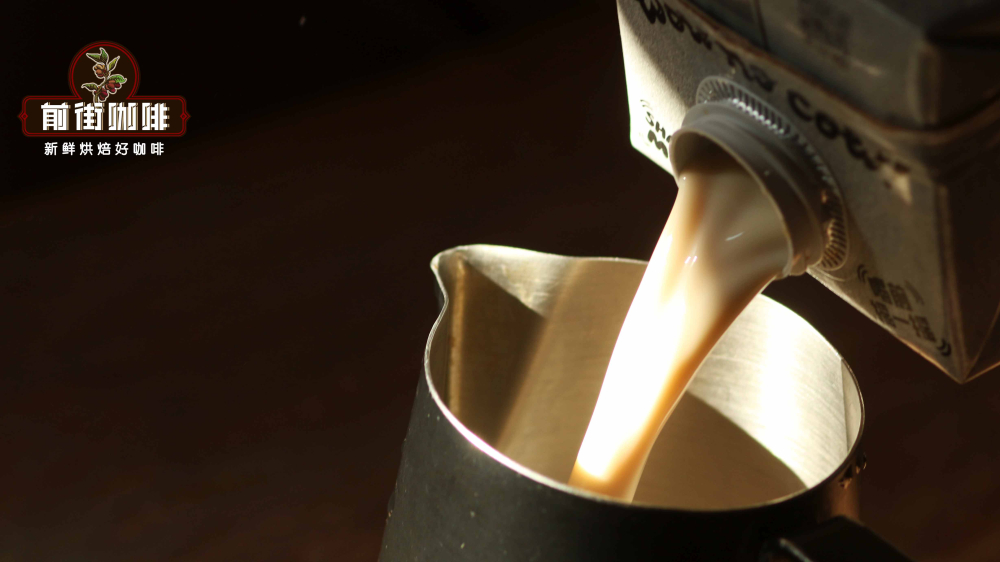
So, who is particularly suited to choosing oat milk coffee? First are those with lactose intolerance, who often experience bloating, diarrhea, abdominal pain, or even difficulty concentrating after consuming lactose in milk—issues that oat milk can help avoid. Next are vegetarians, especially those following an animal-free diet, for whom oat milk, free of animal fats and dairy components, serves as an excellent milk substitute. Furthermore, for individuals with a cow’s milk protein allergy (CMPA), particularly infants, oat milk is also a professionally certified option that can be used as a complementary food or daily drink. For example, some brands of oat milk are suitable for babies over six months old, and can also serve as a primary beverage for children over two years of age.
But is oat milk coffee really tastier than milk coffee? The answer actually varies from person to person. Milk coffee offers the natural sweetness of lactose and the silky texture of milk fat, whereas oat milk coffee delivers a distinctive grainy aroma and a mellow mouthfeel. Some consumers prefer the smoothness and creamy foam of milk, while many others are drawn to the warm, natural grain aroma of oat milk—especially when paired with coffee beans of specific roast levels, which can further highlight its characteristics.
Based on practical testing experience, different brands of oat milk perform quite differently when paired with espresso. Some oat milks blend seamlessly with coffee, resulting in a smooth and well-balanced milk coffee, while others may cause layering or flavor discord due to issues with texture or fat content. Moreover, not all espresso beans are suitable for pairing with oat milk. Selecting the right bean type and roast level is key to crafting a delicious oat milk latte.
If you’re looking to make a rich and silky oat milk latte, it is recommended to choose a medium-dark roasted blend. For example, a blend composed of Brazil Cerrado Red Bourbon and Colombian Huila beans, under appropriate extraction parameters, can showcase layered flavors of dark chocolate, roasted nuts, creamy peanuts, and caramel. Such a coffee base complements most commercially available oat milks well, and no matter which brand of oat milk you pair it with, it can bring out the unique aroma and sweetness of the oats while retaining the coffee’s richness and depth.

In summary, oat milk coffee is not just a beverage choice but also represents the coffee industry’s pursuit of health, innovation, and diverse flavors. Whether you’re making a health-conscious decision or simply want to try something new, understanding the characteristics of oat milk and how to pair it well can help you find your perfect cup while enjoying your coffee.
The above content is compiled by CoffeeHunters, a coffee news website.


