







Introduction:Faced with a dazzling array of coffee beans, do you know how to choose the ones that suit your preferred flavor? This article delves into the differences between classic single-origin beans such as Mandheling and Italian-style blends in terms of roast level, brewing methods, and suitable scenarios. Starting from the principles behind pour over and espresso preparation, it analyzes the appropriate usage for each type of bean and recommends a range of commercial blends, dark cocoa blends, and various regional everyday beans to help readers find their own coffee flavor.
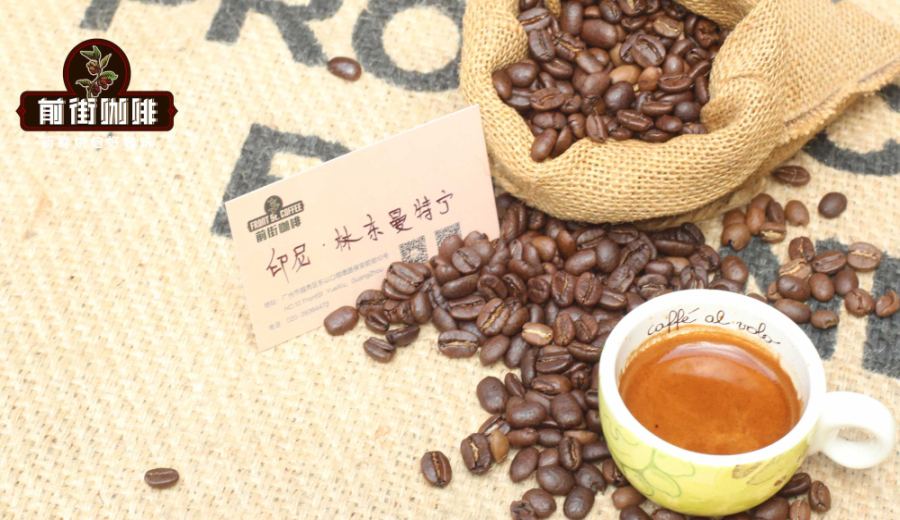
In modern urban life, whether you're visiting a café or enjoying a cup at home, espresso and pour over single-origin have become two mainstream ways to enjoy coffee. Among them, Mandheling from Sumatra, Indonesia, stands out with its rich and full-bodied taste, making it one of the representatives of single-origin coffee; whereas espresso relies on high-pressure extraction technology to create a concentrated essence, delivering a focused and layered flavor. However, there are actually significant differences between these two in bean selection, roasting, and brewing methods.
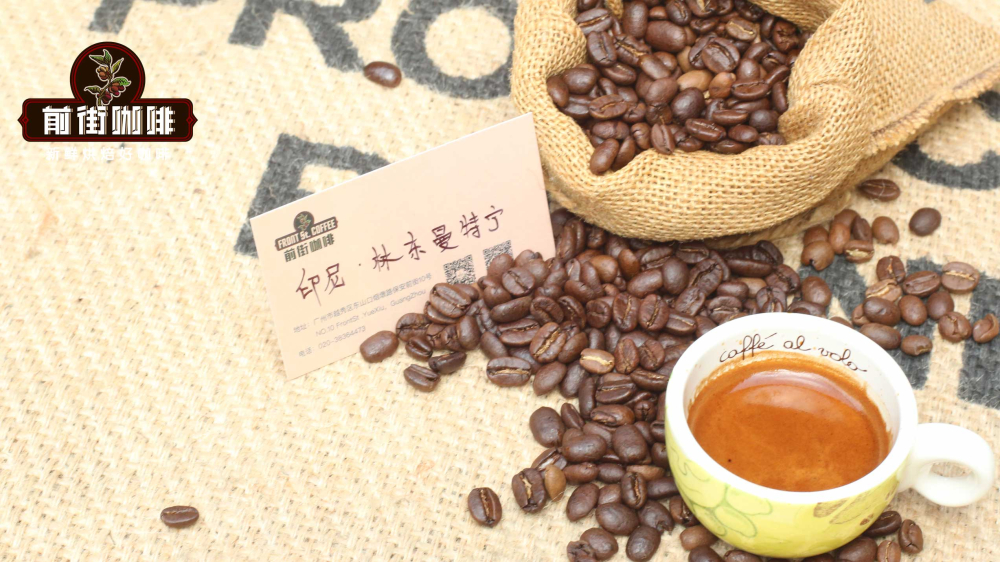
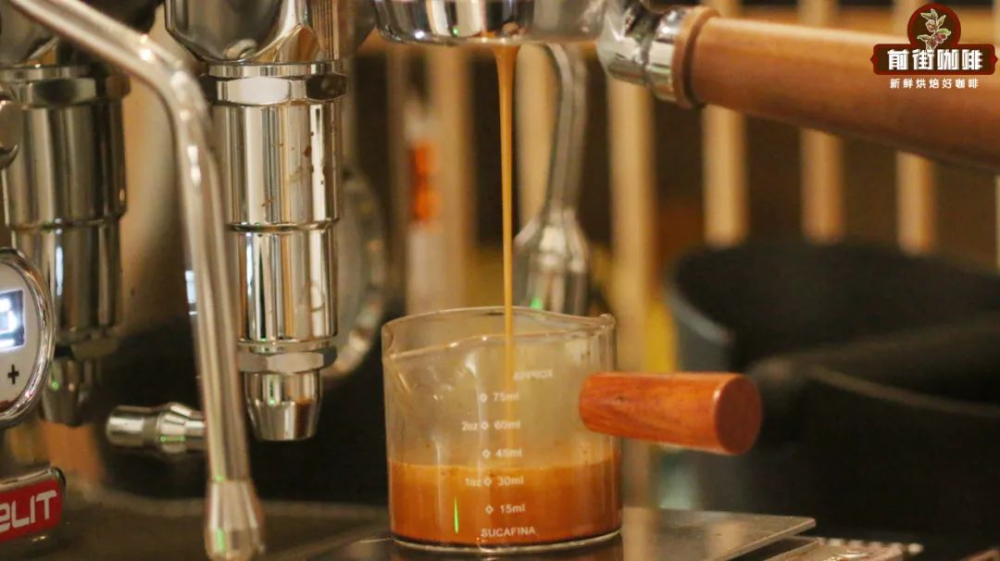
Brewing espresso requires the use of a professional coffee machine, which, under high pressure and high temperature, allows extremely finely ground coffee powder to quickly release its internal substances, forming a small cup of thick coffee liquid with fine crema. This pressurized extraction method results in a more intense flavor, often paired with water or milk to adjust concentration and taste. In contrast, pour over coffee uses a filtration-based brewing method, utilizing room temperature and normal pressure with coarser grind sizes, allowing hot water to slowly saturate the coffee grounds and extract a cleaner, brighter aroma and acidity—perfect for direct sipping.
Due to the completely different extraction principles, the types of coffee beans used must also differ. For example, lightly roasted single-origin beans can showcase clear floral, fruity acidity, and sweetness when brewed using pour over, but if the same beans are used to make espresso, they may easily release overly sharp acidity and unharmonious off-flavors. Therefore, espresso blends are usually made with medium-dark to dark roasts to bring out more caramelized compounds and a rich body, balancing the flavor performance under high pressure.

So-called espresso blends are created by roasters who select coffee beans from different regions and with varying flavor profiles, mixing them in specific proportions and then roasting them together. The goal is to produce a well-balanced, flavorful, and milk-compatible espresso base. For instance, classic commercial blends often combine beans from Brazil, Indonesia, and other regions, offering layers of creaminess, nuts, and caramel—perfect for making lattes or cappuccinos. Additionally, many coffee enthusiasts experiment with using single-origin beans to make what’s called SOE (Single Origin Espresso), but special attention must be paid to adjusting the roast profile, otherwise the regional characteristics may be lost or extraction may become unstable.
For users who prefer to brew espresso at home, it’s recommended to choose medium-dark roasted blends with stable performance or single-origin beans with familiar flavor profiles, while also paying attention to grind fineness and evenness of tamping to ensure optimal extraction pressure and flow rate. Generally, espresso extraction time should be around 25 to 30 seconds, and both the amount of coffee and water should be fine-tuned according to the machine's specifications.
If you prefer the freshness and versatility of pour over coffee, single-origin beans are the better choice. A certain brand’s lineup of everyday beans features classic bean varieties from globally renowned producing regions, each available in 100g packs—ideal for beginners to explore different flavor profiles. For example, beans processed with the washed method from Yirgacheffe showcase bright citrus acidity and jasmine floral notes, representing a typical highland flavor; meanwhile, Indonesian Mandheling, due to the unique wet-hulling process, offers a rich profile of herbal, spicy, and dark chocolate tones, with a full body and long aftertaste.
As the world’s largest coffee-producing country, Brazil’s Red Bourbon variety from Minas Gerais, when processed with honey or semi-washed methods, displays a balanced flavor of low acidity, richness, and creamy chocolate—making it an important base for many espresso blends. Colombia’s Huila region, known for its Caturra variety, offers washed beans with gentle fruit acidity and caramel sweetness, suitable for those who enjoy medium body and multi-layered flavors.
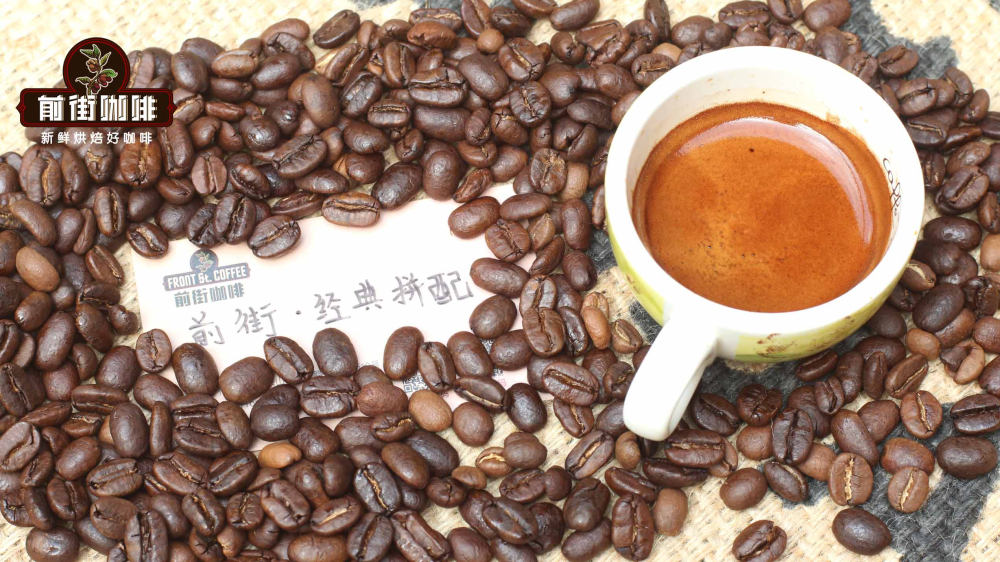
When selecting espresso blends, it’s recommended to choose a roast style that matches your daily drinking habits. For example, a certain brand’s commercial blend is known for its stable flavor and rich crema, making it ideal for cafés with high daily output or users seeking consistency; the dark cocoa blend combines the characteristics of beans from Yunnan and Brazil, offering soft acidity and plum-like fruitiness, with great value for money—suitable for home use or beginners; the premium blend emphasizes depth of chocolate and caramel, perfect for coffee lovers who prefer bold flavors.
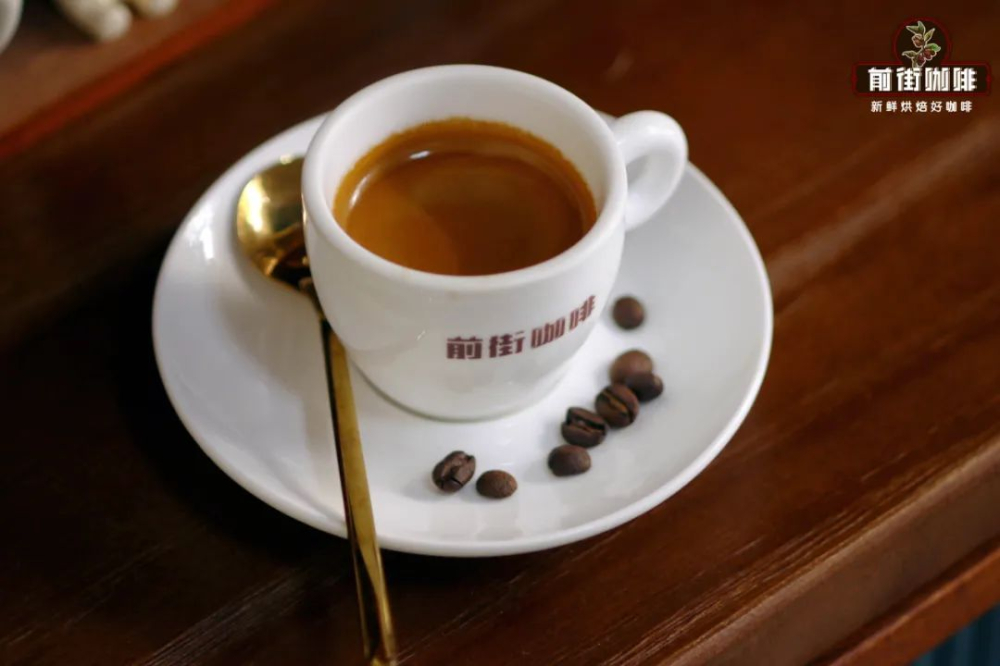
It’s important to note that, whether single-origin or blended, freshness greatly affects the final extraction performance. It’s recommended to choose coffee beans shipped within 5 days of roasting, and allow them to rest for 7 to 10 days upon receipt to complete the degassing phase and enter their optimal flavor window. At this stage, the coffee beans not only have rich aromas but can also deliver the most stable and nuanced flavor performance during extraction.
The above content is compiled by CoffeeHunters, a coffee news website.


