








Introduction:Aside from its renowned Geisha, Panama’s Finca Esmeralda actually offers another premium coffee variety dominated by the Catuai cultivar — the Diamond Mountain Series. These sun-dried beans, grown at elevations between 1400 and 1700 meters, are often perceived as rather ordinary. However, with the right brewing method, they can reveal a rich and layered profile. This article will delve into the origin characteristics, varietal advantages, volcanic soil influence, and practical pour over parameters of Diamond Mountain to help you fully unlock the potential of this coffee.
When it comes to Finca Esmeralda in Panama, many coffee enthusiasts immediately think of the Geisha that won the BOP championship. Yet, this globally acclaimed estate also has another highly regarded series — Diamond Mountain. Comparable in prestige to Geisha, the Diamond Mountain Series is cultivated with the Catuai variety, grown in the two highest-altitude plots within the estate: Cañas Verdes and Jaramillo, at elevations ranging from 1400 to 1700 meters, representing a classic high-altitude cultivation environment.
Although one well-known estate gained fame primarily through its Geisha, its product lineup is actually quite diverse, with the Diamond Mountain Series being second only to Geisha in recognition. However, many consumers who purchased Panamanian Diamond Mountain coffee from certain shops reported that, when brewed at home, the flavor often seemed underwhelming, with a lack of complexity. In truth, this isn’t an issue with the beans themselves, but rather a result of needing a more precise brewing approach to unlock their hidden flavor traits.
As an independent product line under Finca Esmeralda, the Diamond Mountain Series is akin to the Red and Green Label tiers within the Geisha Series, focusing specifically on the cultivation and processing of the Catuai variety. All of these coffee beans come from two extremely high-altitude estates, where the exceptional geographical conditions allow Catuai to ripen slowly amid rich volcanic soil and a cool climate, accumulating more robust flavor compounds and acidity structure.
Many people, when brewing Diamond Mountain for the first time, often encounter flavor performances that fall short of expectations — such as thin mouthfeel, indistinct sweetness, or merely flat mid-palate fruit acidity. This is actually related to the characteristics of the Catuai variety and the natural sun-dried processing method. Additionally, if brewing parameters aren’t adjusted for high-altitude beans, it can easily lead to under-extraction or over-extraction. Mastering the correct pour over technique is key to showcasing the layers and body of this coffee.
From a varietal perspective, Catuai is a hybrid of Typica and Caturra, known for its strong disease resistance and adaptability. Its cherries typically exhibit notable sweetness and moderate acidity. Within Finca Esmeralda’s high-altitude environment, these traits are further amplified. Coupled with the intense fruit aroma and rich wine-like body brought by the sun-dried process, Diamond Mountain coffee, under appropriate brewing conditions, can showcase a complex profile of tropical fruits, honey, and soft caramel.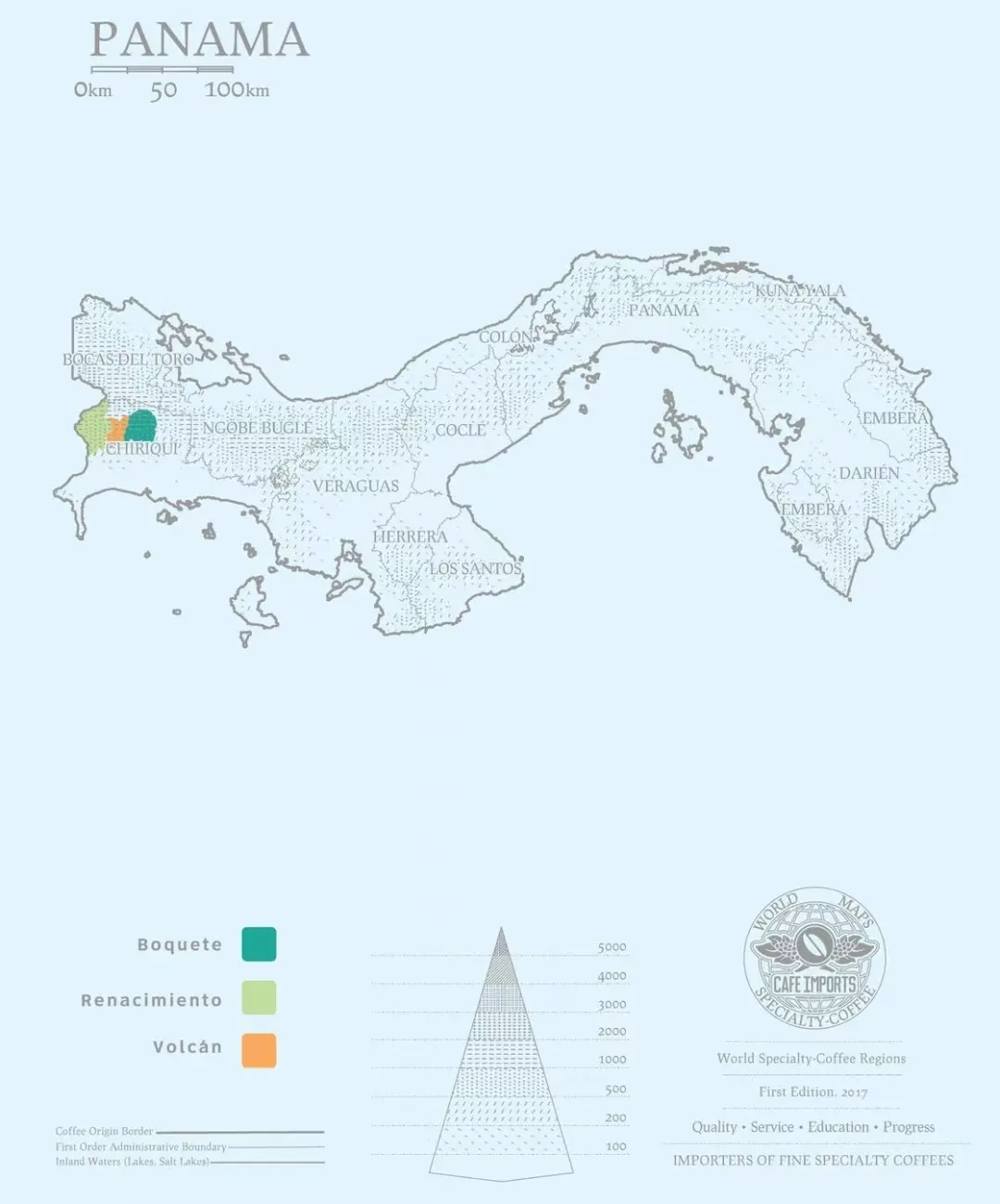
It’s worth mentioning that the Cañas Verdes and Jaramillo estates where Diamond Mountain is grown are located in a volcanic zone, with soil rich in various minerals such as potassium, phosphorus, and calcium. These elements greatly benefit sugar accumulation and flavor development in coffee cherries. The excellent drainage of volcanic soil, combined with the large day-night temperature variation at high altitudes, slows the growth rate of coffee trees, aiding in the concentration of flavor compounds. This is also a key reason why Diamond Mountain coffee can still present rich layers even when roasted lightly or at a medium-light level.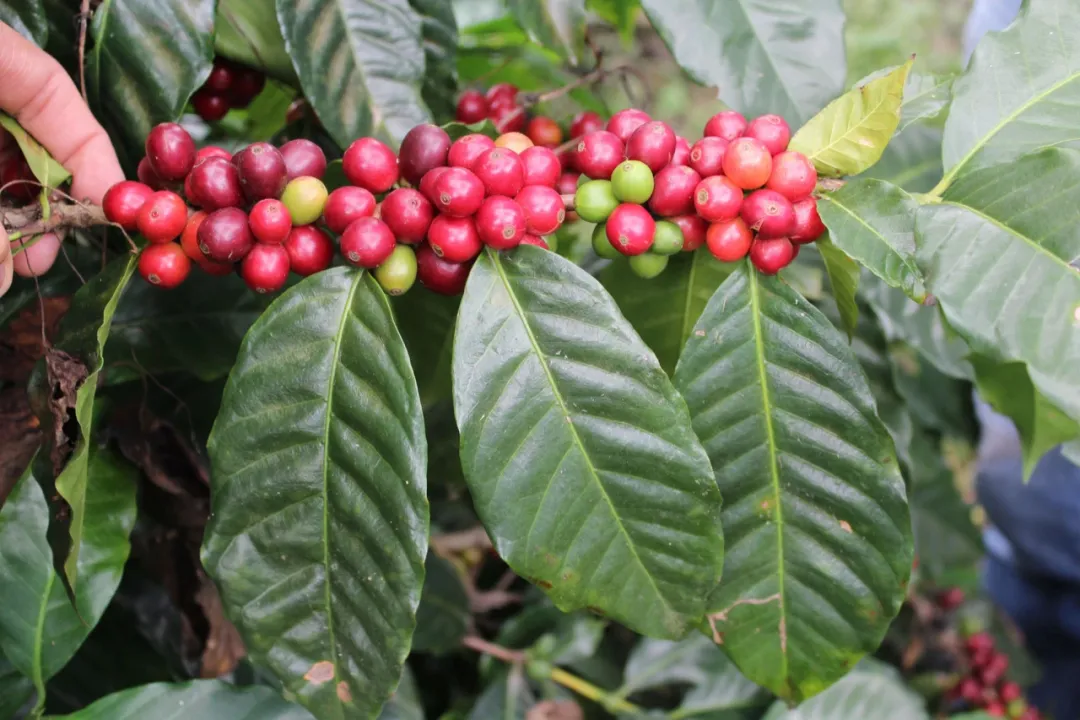
If you’re brewing this coffee at home using a pour over method, it is recommended to use a medium-fine grind (close to the size of granulated sugar), with water temperature controlled between 90–92°C, and a brew ratio of 1:15 to 1:16. It is advised to use a three-stage pouring technique: first wet the filter paper and coffee grounds, then slowly pour in approximately 30%, 40%, and 30% of the total water volume in separate steps. The total brew time is recommended to be around 2 minutes and 30 seconds to 3 minutes. These parameters will help you fully bring out the sweetness, fruit acidity, and rich body of Diamond Mountain coffee, avoiding flavor imbalance caused by extraction that is too fast or too slow.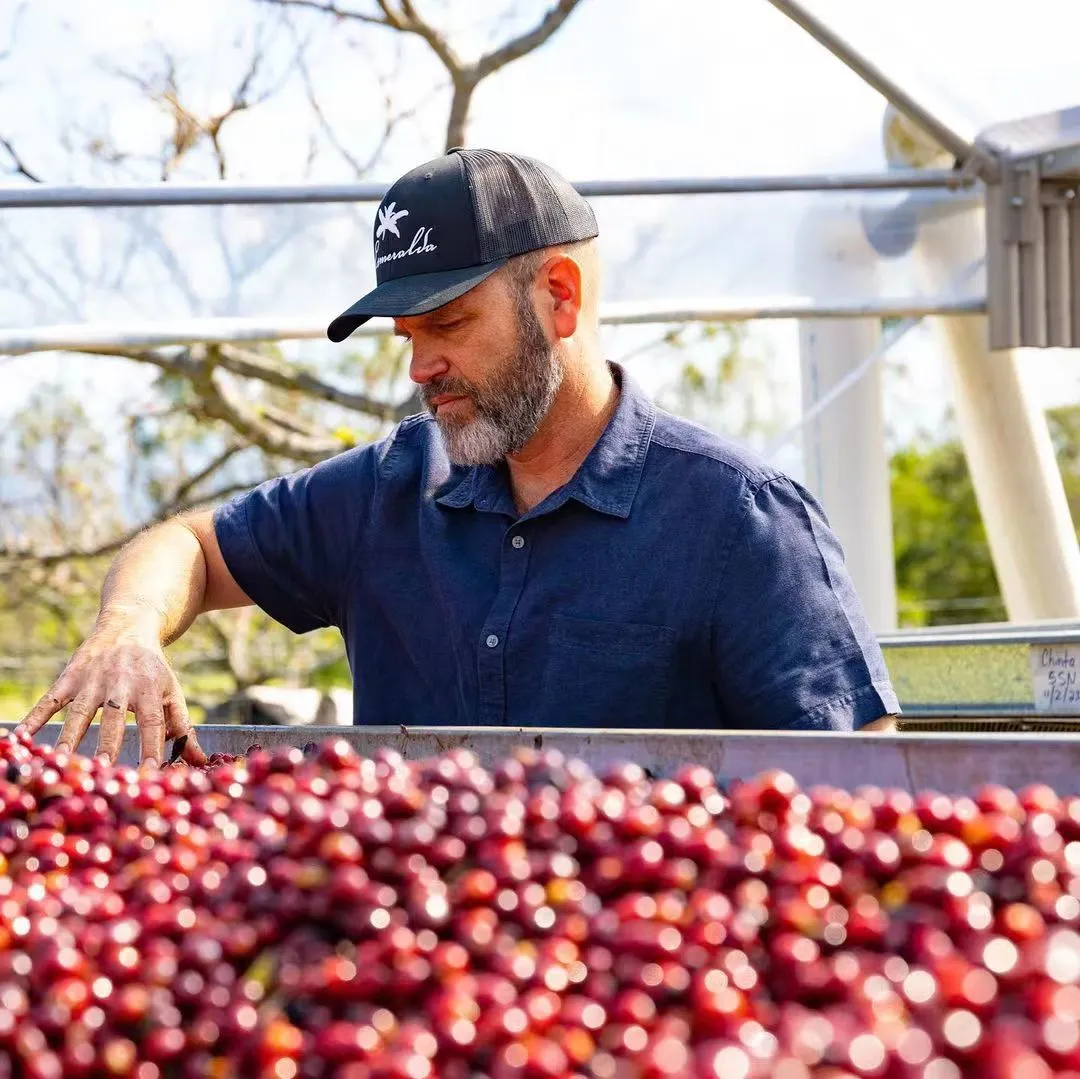
In summary, although the Diamond Mountain Series from Finca Esmeralda in Panama is often overshadowed by the Geisha, it is actually a high-altitude Catuai coffee with extremely high flavor potential. By understanding its origin characteristics, varietal strengths, and employing suitable brewing strategies, you can fully experience the tropical fruit aroma, honey sweetness, and delicate layered structure that this sun-dried coffee offers. Whether you’re a coffee novice or an advanced enthusiast, you can discover surprisingly delightful taste experiences from this bean.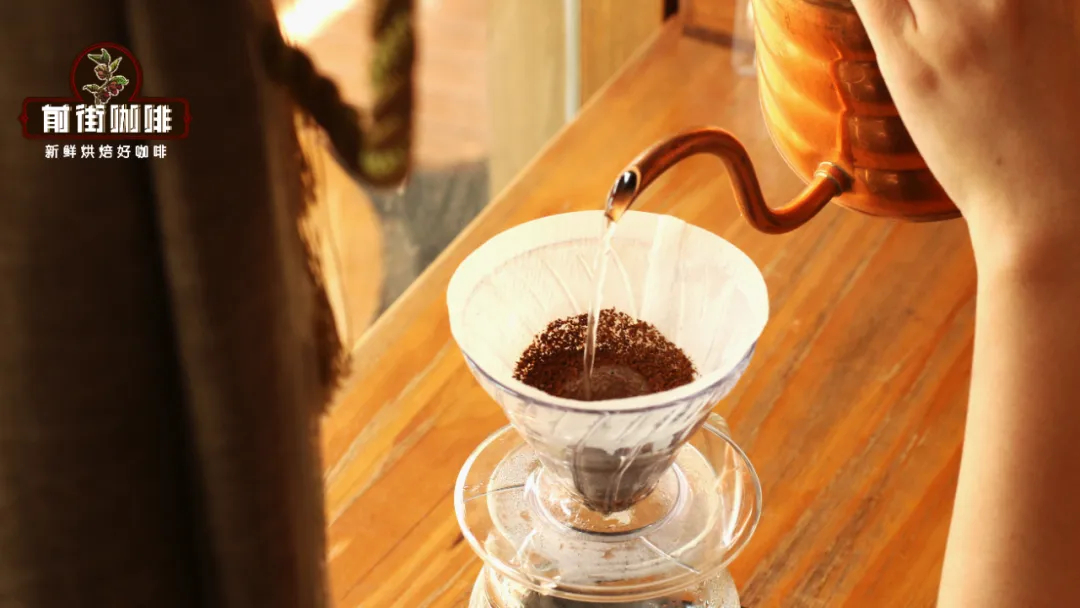
The above content is compiled by CoffeeHunters, a coffee news website.


