







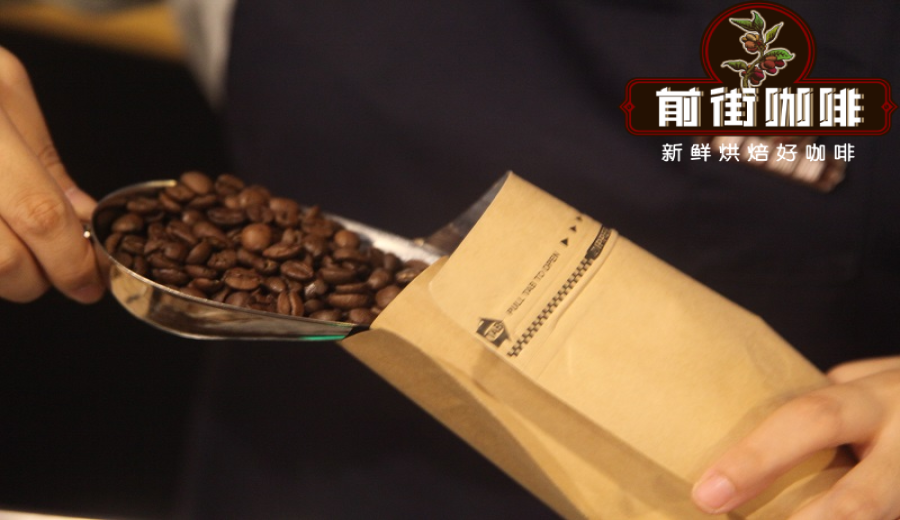
Introduction:Delve into ten premium specialty coffee beans from globally renowned origins — from the delicate floral and fruity notes of Panamanian Geisha to the rich acidity of Tanzanian Kilimanjaro. This article provides a professional analysis of each bean’s regional characteristics, processing differences, and offers practical brewing suggestions along with flavor profiles to help coffee enthusiasts discover their preferred taste preferences.
The global coffee market is incredibly diverse, with variations in origin, variety, and processing methods crafting an ever-changing spectrum of flavors. Washed processing yields bright, clean acidity and crisp mouthfeel; natural sun-drying enhances bold tropical fruit aromas and full body; honey processing strikes a perfect balance between sweetness and fruitiness. Centered around geographical contexts, this piece selects ten representative top-tier beans including Panamanian Geisha, Jamaican Blue Mountain, and Indonesian Mandheling, detailing their terroir traits, processing techniques, and brewing essentials, along withKey Parametersfor coffee enthusiasts’ reference.
1. Panama – Geisha (Panama Geisha):
This legendary variety originating from Ethiopia only took root in Panama in the 1950s. After Hacienda Esmeralda won the international cupping championship with Geisha in 2004, its unique citrus-like finish and layered tropical fruit profile instantly took the market by storm.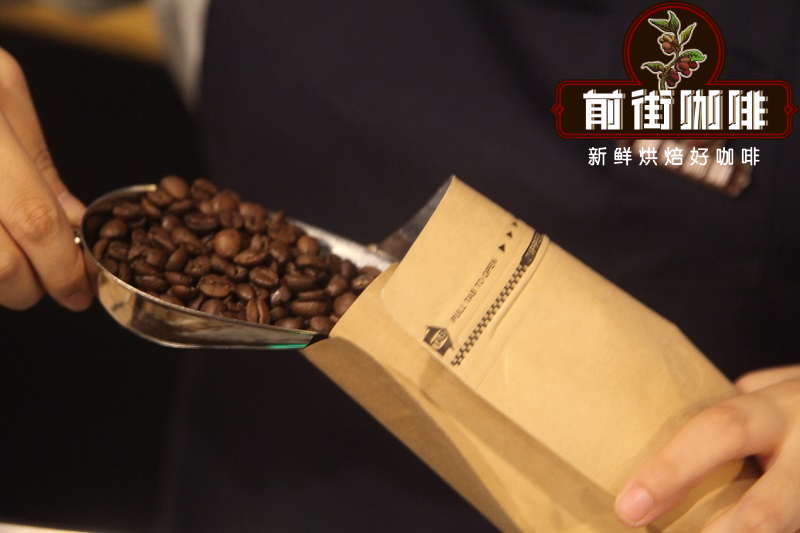 The recommended washed Green Label Geisha, grown at 1600-1800 meters in the Boquete region, can be brewed using medium-fine grind (e.g., 70% passing rate through a Japanese Fuji R200 sieve), with water temperature controlled at 92-94°C. A pour over method highlights its vibrant layers of citrus, berries, and honeydew.
2. Jamaica – Blue Mountain (Jamaica Blue Mountain):
Born in the highland environment embraced by the Caribbean Sea, this AA-grade Typica variety achieves a balanced interplay of sweet, sour, and bitter notes thanks to its 1310-meter elevation and stringent Rainforest Alliance certification.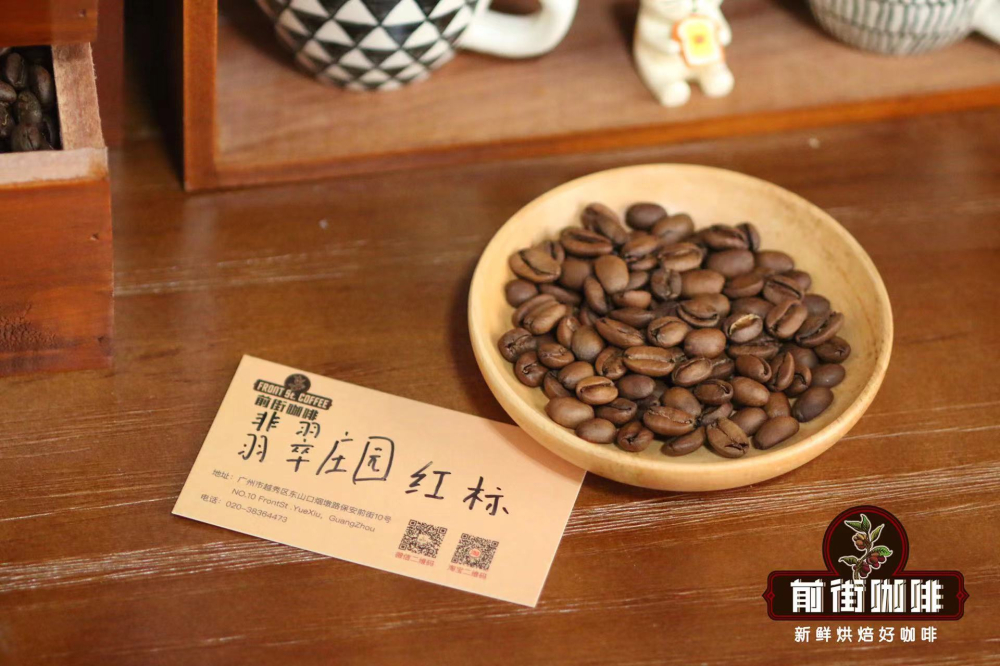 Beans from the recommended Clifton Estate, processed via traditional washed method, are best brewed with a coarse grind (e.g., Hario #10 sieve), at 90-92°C. This brings out its smooth flavors of nuts and dark chocolate.
3. Indonesia – Mandheling (Sumatra Mandheling):
The Golden Mandheling from northern Sumatra, processed via wet hulling, delivers low acidity and high body.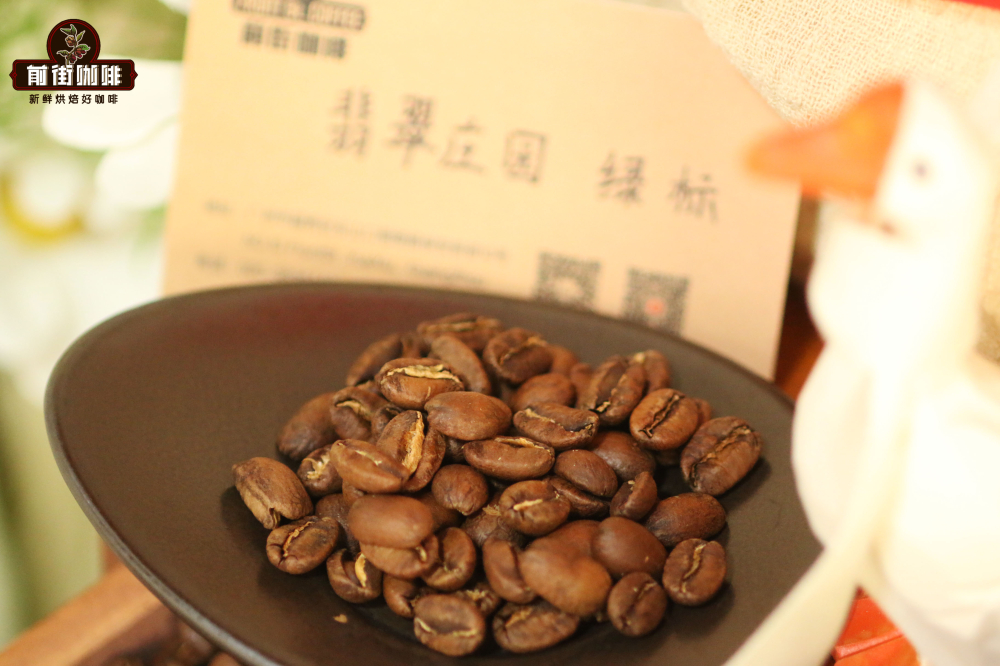 Grown at 1100-1600 meters in the Aceh region, it is recommended to use a French Press with medium-coarse grind, at 88-90°C, to enhance its caramel and nutty finish.
4. Ethiopia – Yirgacheffe (Yirgacheffe):
As the birthplace of coffee, this G1-grade heirloom natural-processed bean showcases explosive citrus and berry flavors.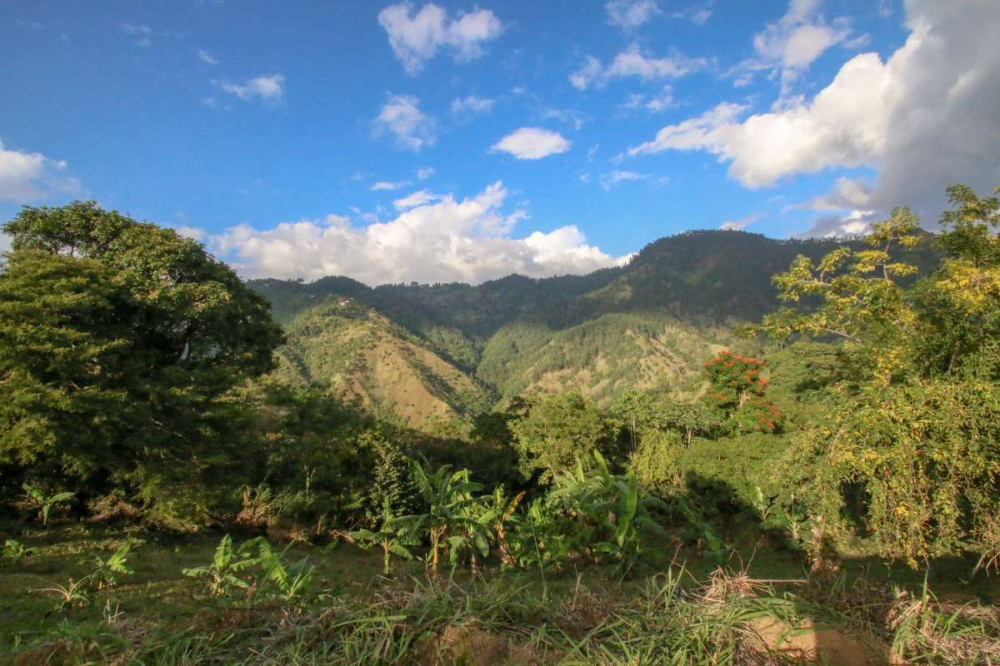 The microclimate environment at 1900-2300 meters creates its distinctive jasmine and honey aroma. For pour over, use a V60 filter with fine grind (e.g., EK43 at 15 settings), and 90-91°C water temperature to preserve its delicate fruit acidity.
5. Kenya – Little Tomato (Kenya AA):
The SL28 and SL34 varieties from the Thika region, treated with 72-hour double fermentation washed process, release astonishing sour notes reminiscent of cherry tomatoes and black plums.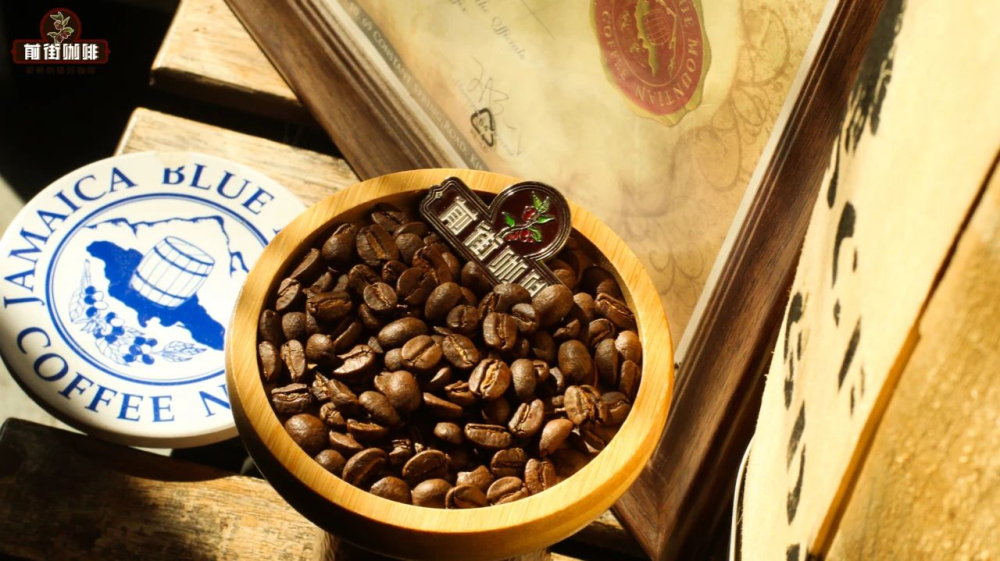 The AA TOP grade features plump beans. Brewing should involve pulsed pouring (e.g., three-step extraction), and 92-93°C water temperature can bring out its wine-like layered finish.
6. Costa Rica – Honey Process (Costa Rica Honey):
The Geisha blend from Mirasol Estate employs partial honey processing, retaining mucilage to ferment unique caramel sweetness.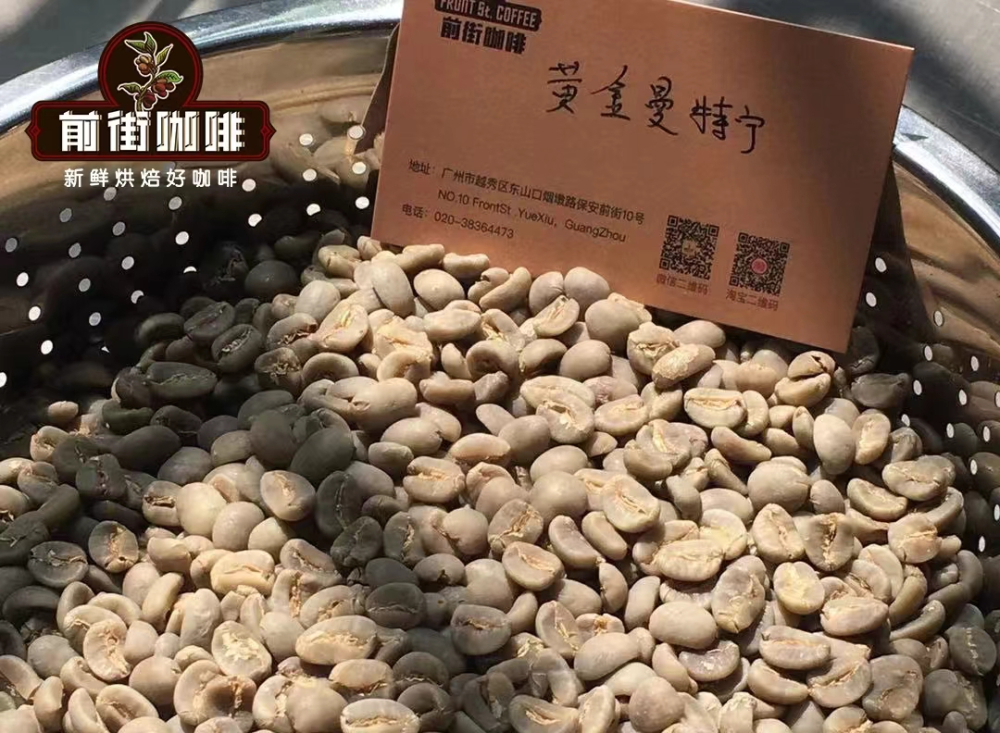 At 1700 meters altitude in the Tarrazú region, using an AeroPress with inverted method and medium-fine grind balances the complex flavors of almond and strawberry taffy.
7. Brazil – Yellow Bourbon (Brazil Yellow Bourbon):
The semi-washed processing method by Fazenda Rainha gives this SHB-grade bean a silky texture of chocolate and nuts.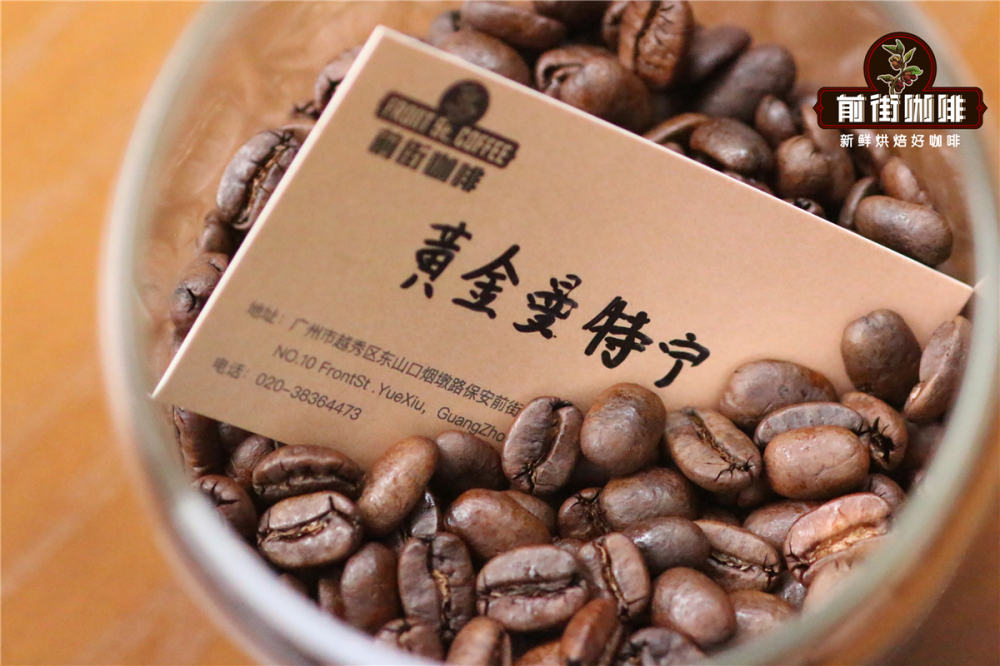 Grown at 1400-1950 meters in the Mogiana region, it is ideal for brewing with a Moka Pot, using medium-coarse grind and 90°C water temperature to enhance its tea-like robust base.
8. Guatemala – Antigua (Guatemala Antigua):
From Antigua, one of the seven great volcanic regions, the Bourbon and Caturra blend exhibits elegant berry and citrus tones.
The SHB-grade washed beans are well-suited for siphon brewing, with fine grind and 88°C water temperature highlighting its soft acidity structure.
9. Papua New Guinea – Bird of Paradise (PNG Arona):
This AA-grade Typica variety inherits the balanced traits of island-grown coffees, with washed processing bringing out a concerto of cocoa and berries.
It is recommended to use cloth-filter pour over (e.g., Kalita Wave), with medium grind and 91°C water temperature to fully express its rich yet refreshing character.
10. Tanzania – Kilimanjaro (Tanzania Kilimanjaro):
The ancient Typica variety from the northern highlands, with medium-light roasting, retains bright fruit acidity and honey-like aroma.
Using a cezve for short extraction, with fine grind and 95°C water temperature, can awaken its century-old terroir memory.
The above content is compiled by CoffeeHunters, a coffee news website.


