







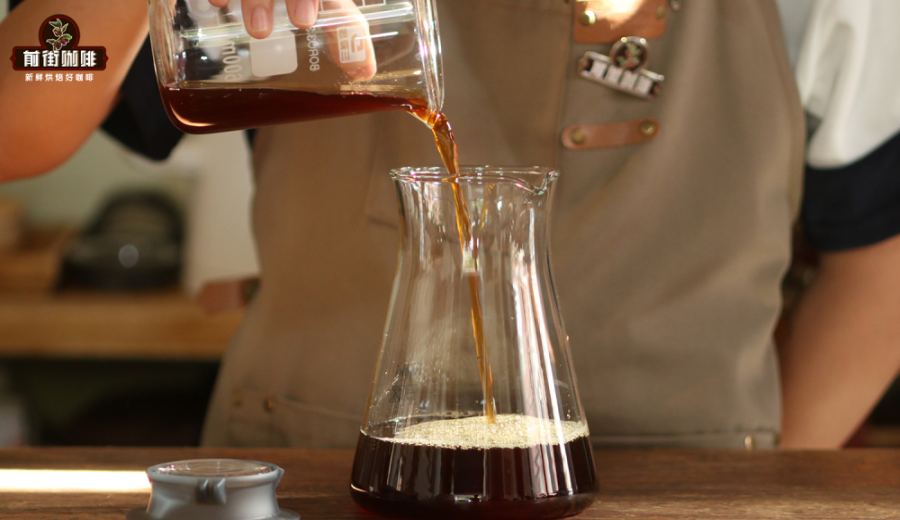
Introduction:Cold brew coffee, with its smooth texture and low acidity, has become one of the most popular coffee beverages in summer. This article delves into the extraction principles of cold brew, compares the differences between room temperature and refrigerated steeping, and provides expert-level coffee-to-water ratio, grind size recommendations, and a practical brewing process to help you precisely control the flavor and craft a rich and mellow cold brew.
During the peak of summer, cold brew coffee stands out as the top choice for many coffee enthusiasts due to its refreshing taste and ease of preparation. Compared to traditional hot brewing or cold drip methods, cold brew extracts the essence of coffee more gently through prolonged low-temperature steeping, resulting in a rich and layered flavor profile.
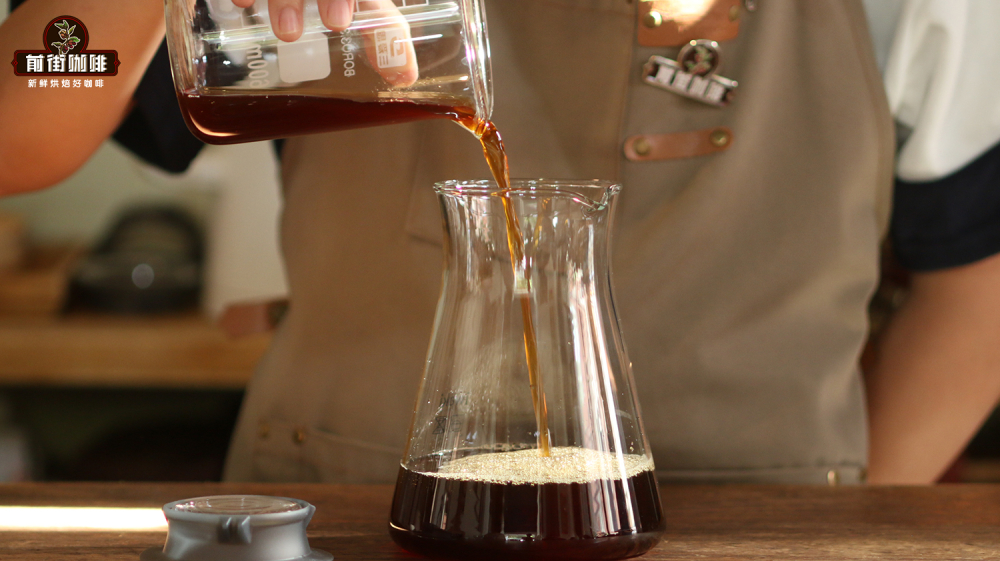
Cold brew refers to the extraction method where ground coffee is mixed with cold or ice water and left to steep in a low-temperature environment. Because the extraction temperature is significantly lower than that of hot water brewing, the release of acidic compounds and aromatic molecules in the coffee slows down, usually requiring the steeping time to be extended to 8 to 24 hours, depending on room temperature or refrigeration conditions. This method not only eliminates the need for professional equipment but also reduces the risks of over-extraction or off-flavors caused by high-temperature brewing.
There are notable differences between cold brew processes at room temperature and low temperature. If you choose to steep at room temperature (around 20–25°C), it is recommended to keep the time within 8 hours. In this case, the coffee liquid can quickly develop a rich base, but you should be mindful of potential woody or cardboard-like off-flavors. In contrast, if you refrigerate the mixture (around 4–8°C), although it takes 12 to 24 hours, it can effectively suppress the formation of undesirable flavors while preserving a rich sweetness and smooth mouthfeel.
When it comes to coffee bean selection, the characteristics of cold brew make it more suitable for beans with distinct sweet and acidic notes and rich aroma layers. For example, beans with prominent fruity notes and caramel finishes can present a delicate flavor balance after prolonged steeping. For those who prefer a sweet and acidic profile, you may choose beans with intense fruitiness—these often showcase refined flavors like cherry and berries under low-temperature extraction. If your goal is a balanced taste, it is recommended to go for blends with even proportions of acidity, sweetness, bitterness, and body, ensuring a harmonious flavor experience in every sip.
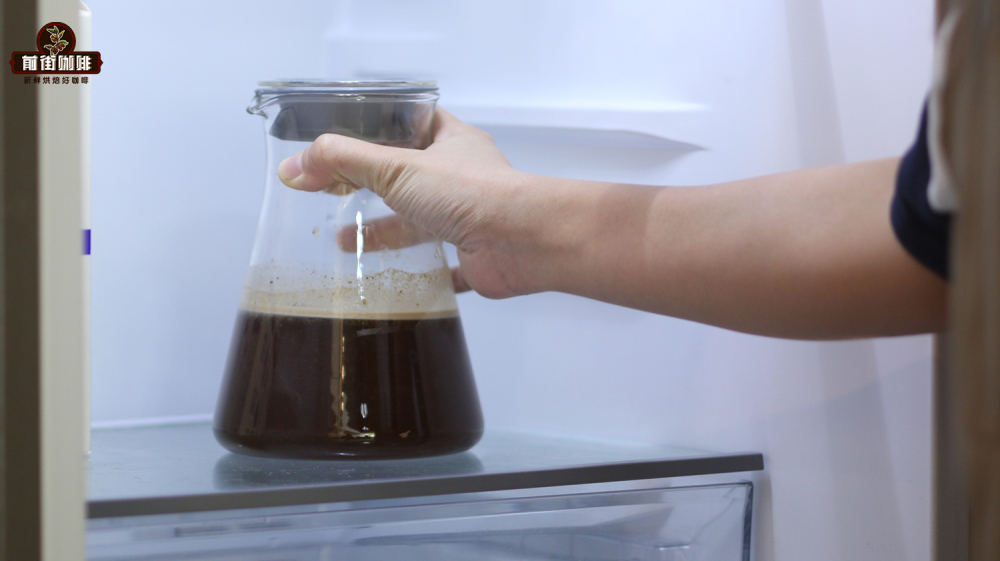
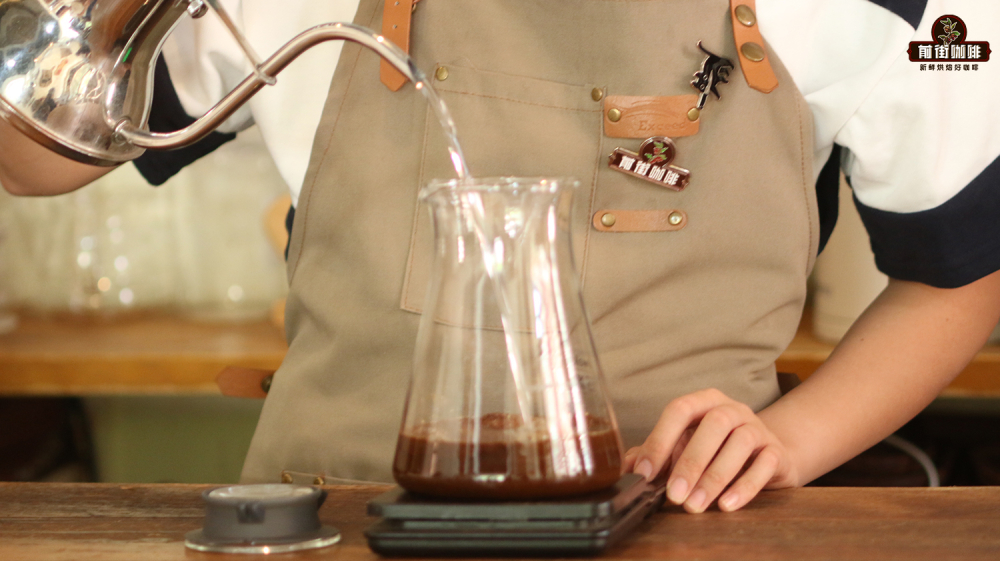
Regarding specific brewing parameters, it is advised to use a golden ratio of 1:10 coffee-to-water ratio , and opt for a medium-coarse grind size with an approximate 20-mesh sieve (0.85mm aperture) screening rate of 75% , which helps achieve even extraction in a low-temperature environment. In practice, you can use 50 grams of coffee grounds, combined with 400 milliliters of filtered water and 100 grams of ice cubes, stir thoroughly, then seal the mixture in a container and place it in the refrigerator’s cooling compartment. The recommended steeping time falls within the range of 8 to 12 hours. If the ambient temperature is stable and you desire a stronger flavor, you may extend it to 16 hours, but avoid oversteeping to prevent over-extraction and the development of unpleasant off-flavors.
After steeping, it is recommended to filter the coffee liquid using a cloth or paper filter. At this stage, allowing the finished product to rest in the refrigerator for another 2 to 3 hourscan further enhance flavor integration and maturation, resulting in a smoother mouthfeel. It is important to note that the filtered cold brew can be stored in a sealed container in the refrigerator for approximately 5 days. Although the flavor may become more intense over time, considering the hygiene conditions of home refrigerators and the risk of air exposure, it is advisable to consume it as soon as possible to ensure optimal quality and safety.
The above content is compiled by CoffeeHunters, a coffee news website.


