







Introduction:When selecting coffee beans, the roast level is one of the key factors that influence flavor and mouthfeel. This article delves into the characteristics of medium and dark roast coffee beans to help you make the right choice based on your drinking preferences. It also provides three simple and practical methods to determine whether your pour over coffee beans are at their optimal drinking window, ensuring each cup showcases a full and rich coffee flavor.
Faced with the wide variety of coffee beans on the market, it’s common to hesitate between choosing a medium or dark roast. In fact, the three roast levels—light, medium, and dark—each bring distinct flavor profiles. Understanding these differences can help you find your ideal coffee more quickly, based on your personal taste.
Light roast coffee beans are typically dropped from the roaster earlier in the process, resulting in a lighter color. They exhibit a brighter acidity and often feature pronounced fruit notes, with some varieties even showcasing elegant floral aromas. These coffees are well-suited for those who enjoy a refreshing acidity and fruity flavors. Common brewing methods include pour over, cold brew, drip bags, and American drip, all of which can fully highlight their bright and layered taste. For example, beans from high-altitude regions often express vibrant flavors reminiscent of cherry tomatoes, lemons, or passionfruit.
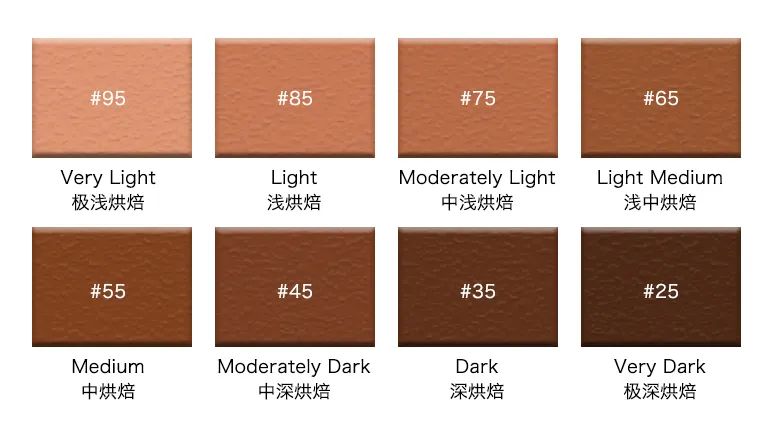
Moving into the medium roast range, the beans are dropped slightly later in the roast, at which point sweetness begins to emerge. The acidity becomes smoother, and Maillard reactions produce nutty, chocolatey, and malty aromas, resulting in a more balanced overall profile. These beans are ideal for those seeking a harmonious mouthfeel and who prefer less acidity. Common applications include pour over, drip bags, moka pot, and drip-style Americano. Beans roasted to this level often carry subtle citrus notes paired with rich creamy chocolate aromas, making them suitable for everyday enjoyment and often paired with various desserts.
As for dark roast, it involves the longest roasting time, shifting the coffee’s flavor profile toward boldness and body, often accompanied by smoky notes and deep sweet undertones such as dark chocolate, caramel, spices, and toasted bread. Bitterness becomes dominant, but the aftertaste is relatively long-lasting. This roast is suitable for those who do not prefer acidity and favor a bold, intense flavor. Dark roast beans are commonly used for making espresso, but they can also reveal unique depth and complexity when brewed via pour over, especially in contexts where smokiness and spice layers are emphasized.
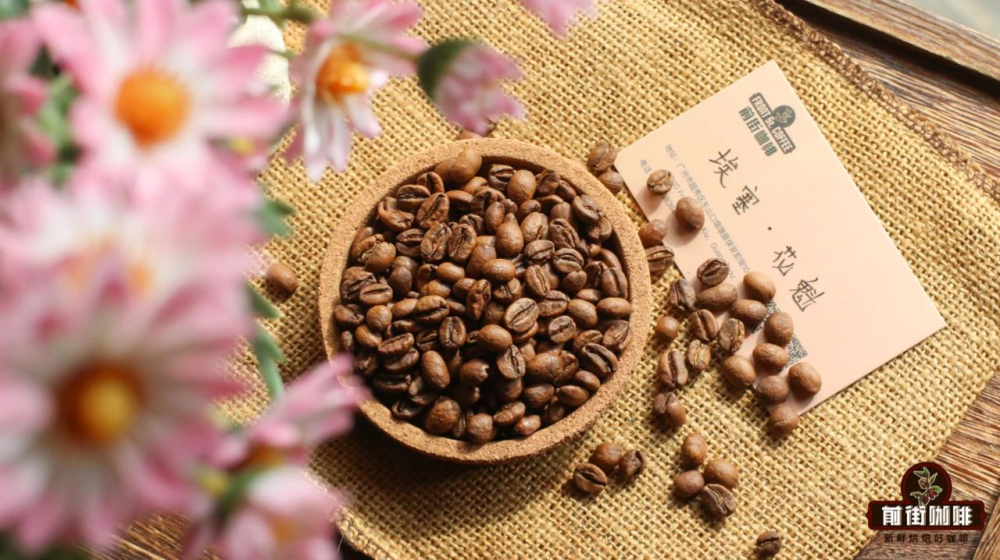
For pour over purposes, many coffee enthusiasts opt for medium-dark or dark roast beans based on flavor preference. Varieties with rich nutty and chocolatey notes, for instance, can release captivating layers of flavor under the right brewing parameters. However, no matter which roast level you choose, freshness is the key factor influencing the final flavor expression.
How can you tell if your pour over coffee beans are fresh? First, it’s recommended to check the roast date on the packaging. Generally, coffee beans are at their peak flavor between 4 to 30 days after roasting. It’s best to consume them within this period to fully experience their complete aroma and layered taste. After 30 days, the flavors gradually diminish. While still drinkable, the overall profile becomes more muted, especially the delicate fruit acids and floral notes, which are more prone to fading.
Second, assess the dry aroma. Fresh medium-dark roast coffee usually has a rich and pleasant caramel or nutty scent, while light roast beans should emit clear floral and fruity notes. If the aroma is weak or has an oily feel, it may indicate that the beans have been stored for some time and their flavors are starting to decline.
Third, observe the degassing reaction during the bloom phase. When brewing pour over, after pouring hot water onto the coffee grounds, fresh medium-dark roast beans will typically form a quickly expanding “dome” due to the release of residual carbon dioxide inside the beans, indicating they are still in good condition. Conversely, if there is no reaction from the coffee bed after pouring hot water and the liquid simply seeps through, it may suggest the beans are over 50 days old, with significantly reduced internal activity—such beans are not recommended for brewing.
In summary, choosing between medium and dark roast coffee beans should be based on your personal preferences for acidity, sweetness, and bitterness. At the same time, by observing the roast date, smelling the dry aroma, and paying attention to the bloom gas release, you can effectively gauge the freshness of the beans. This ensures that every pour over session brings out the best possible flavor. Coupled with appropriate brewing parameters and grind size, you’ll be able to fully appreciate the unique charm of each coffee.
The above content is compiled by CoffeeHunters, a coffee news website.


