







Introduction:Want to easily make a refreshing and smooth iced black coffee at home? This article provides an in-depth analysis of the definitions, practical processes, recommended coffee-to-water ratios, and flavor differences between cold brew and ice drip—two popular low-temperature extraction methods. It also includes useful details such as equipment setup, extraction time control, and coffee bean selection to help you find the most suitable summer iced coffee brewing method based on your personal taste.
On hot summer days, many people prefer a cool and smooth black coffee, and cold brew and ice drip are two beloved methods of low-temperature extraction. Although both use cold or icy water to slowly extract coffee flavors, they differ in brewing principles, complexity of steps, flavor profiles, and suitable coffee bean types. Understanding these differences can help you make the most flavorful iced coffee according to your own conditions and preferences.
Cold brew coffee essentially involves mixing coarsely to medium-fine ground coffee powder with cold or icy water at a certain ratio, then placing it in a sealed container and refrigerating it. This allows the coffee to slowly release its flavor compounds in a low-temperature environment. The generally recommended extraction time is 12 to 24 hours. Too short a time may result in under-extraction, while too long may risk over-extraction. After completion, filter out the coffee grounds using paper or a filter to obtain a cup of cold brew coffee that is refreshing in flavor and low in impurities.
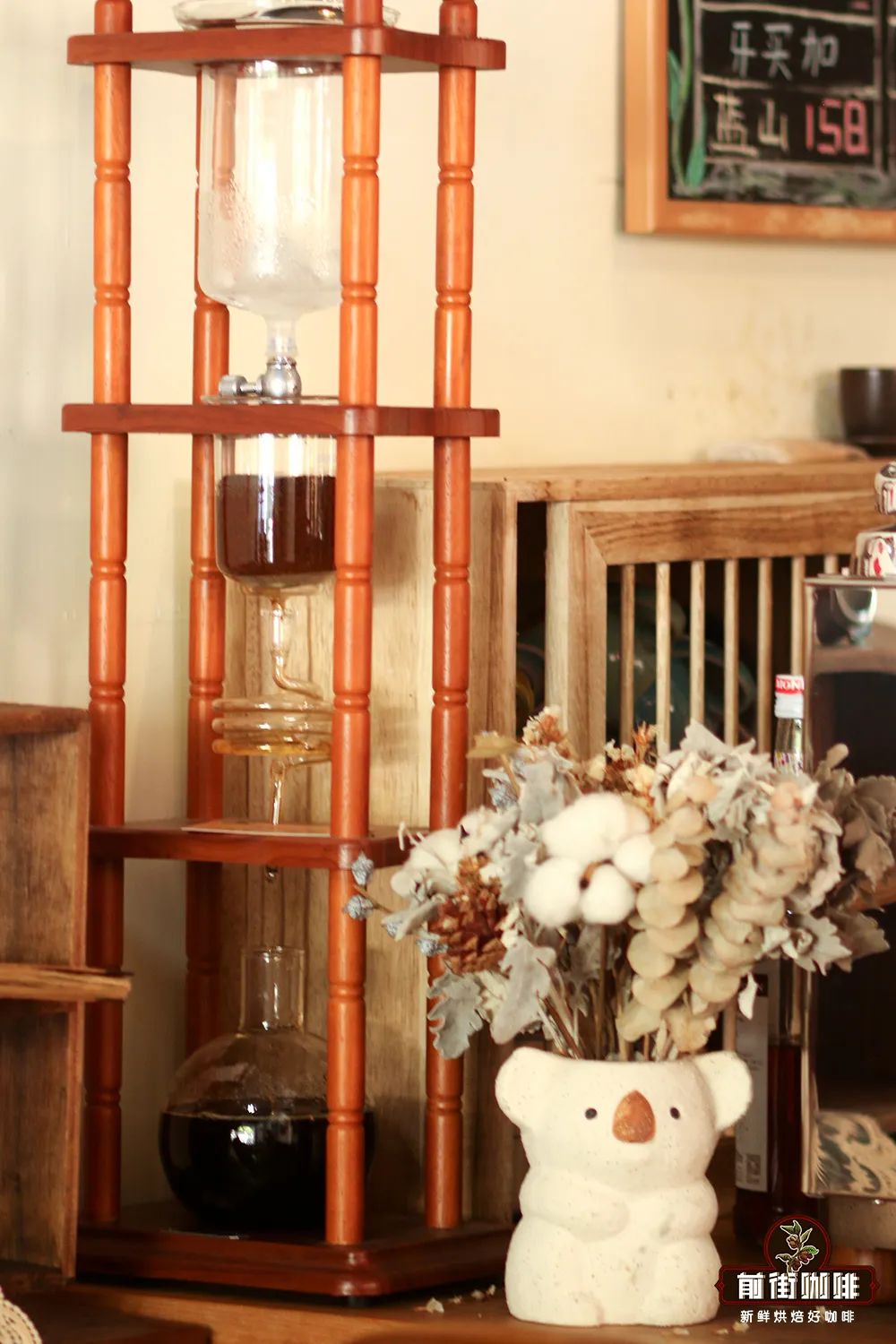
In comparison, ice drip coffee is a more meticulous and even ritualistic method. This technique requires a specialized ice drip maker, where icy water is dripped drop by drop through a bed of coffee grounds at a controlled flow rate to gradually extract the flavors. A basic ice drip setup typically includes an upper chamber for holding the icy water, a coffee grounds chamber, a serpentine tube to stabilize temperature, and a collection bottle to catch the brewed coffee. The recommended extraction time for ice dripping is about 5 to 8 hours, with the drip rate usually controlled at 3 drops every 10 seconds, ultimately yielding around 600 milliliters of coffee liquid. Since the entire process takes place at room temperature or lower, it effectively suppresses over-extraction and preserves more delicate acidity and sweetness.
Compared to traditional pour over or hot water extraction, the low-temperature production of cold brew and ice drip significantly reduces the release of bitter and astringent substances. This is because about 70% of coffee beans consist of fiber, with only 30% being flavor compounds. High temperatures cause rapid but imbalanced flavor release, whereas low temperatures allow for a slower and more even extraction process, helping to achieve a more balanced taste. It also avoids the coarse and off-flavors brought by woody fibers, which is why cold brew and ice drip are often considered smoother on the palate and cleaner in layers.
If you want to try making cold brew coffee at home, the preparation is actually very simple. You’ll only need freshly roasted coffee beans, a clean lidded container, an ice water mixture, and paper or a filter. A common recommended coffee-to-water ratio is 1:10, meaning 50 grams of coffee powder mixed with 500 milliliters of ice water. After adding the coffee powder to the container, mix it evenly with the ice water. It’s recommended to gently stir to promote initial extraction, then seal and refrigerate. The whole process takes approximately 12 to 24 hours. Once done, remember to filter the coffee liquid and transfer it to a clean container. It’s best to consume it within 72 hoursfor optimal flavor.
As for ice drip coffee, in addition to the basic materials mentioned above, you’ll also need a specialized ice drip maker. It’s recommended to use 60 grams of medium-fine ground coffee, also calculated at a 1:10 coffee-to-water ratio , aiming to produce about 600 milliliters of coffee liquid. When setting the drip rate, it’s advised to adjust it to 3 drops every 10 seconds, allowing the water droplets to uniformly penetrate the coffee grounds. The overall extraction time should be controlled within 5 to 8 hours. After extraction, it’s recommended to let the coffee liquid sit in a sealed container in the refrigerator for at least 8 hours or moreto allow the carbon dioxide in the coffee to gradually release, which helps enhance a more three-dimensional and clear flavor.
In terms of flavor, ice drip coffee, due to its drip filtration method, is usually clearer with fewer impurities, offering a clean and delicate taste. In contrast, cold brew coffee, being an immersion brew, often appears slightly cloudy and may have a layer of coffee oils floating on the surface. Its overall taste is richer, fuller, and has a more consistent flavor profile. Both have their unique strengths and are suitable for consumers with different taste preferences.
As for coffee bean selection, since both cold brew and ice drip focus on low-temperature extraction, it’s recommended to prioritize lightly roasted coffee beans. These not only highlight fruity acidity and floral-fruity notes, but also better showcase the delicate flavor layers under low temperatures. For example, readers who prefer a fresh fruity acidity can choose beans with citrus or berry notes. If you enjoy styles with fermented wine-like aromas and sweet aftertastes, you might opt for medium-light roasted beans with wine, caramel, or nutty fragrances. It’s worth noting that such beans can usually withstand longer soaking or dripping times and are less likely to taste thin under low temperatures, thereby showcasing richer and more varied flavor layers.
The above content is compiled by CoffeeHunters, a coffee news website.


