







Introduction:Roasting is the most crucial step in shaping the flavor of coffee. From sweet-and-sour balance to deep richness, different roast levels can completely transform how coffee presents itself. This article delves into the eight stages across the three major roast levels—light, medium, and dark—and explores the impact of Maillard and caramelization reactions on flavor. It also provides practical pour over parameters for classic beans like Yirgacheffe and Mandheling, helping you find your perfect cup based on taste preference.
The flavor of coffee doesn’t just come from its origin or variety; roasting is the core process that transforms the potential of green beans into the flavors in your cup. From bright fruit acidity to deep caramel notes, the roast level determines the final expression of coffee. This article will provide a detailed breakdown of the three major roast levels—light, medium, and dark—and the eight stages within them, while examining how chemical reactions shape the familiar tastes of coffee.
Many beginners often wonder why the same bean can taste so different at varying roast levels. The answer lies in the Maillard reaction and caramelization that occur during roasting. These chemical changes not only affect color but also directly determine the coffee’s acidity, sweetness, bitterness, and body.
First, let’s look at the main factors that influence coffee flavor. Region, variety, and processing method indeed lay the foundation of a coffee’s basic profile, but these are only potentials. What truly brings out these potentials is the skill of roasting. It can be said that roasting is the key step that transforms green beans from "having potential" to "having expressive power."
For example, good ingredients require proper cooking to bring out their deliciousness, and the same goes for green coffee beans. Only under suitable roasting conditions can the flavor compounds within green beans be fully activated; otherwise, even the best beans may end up tasting bland.
So why do green beans need to be roasted? Simply put, coffee beans are essentially the seeds of the coffee fruit and must be roasted to activate the internal flavor compounds. High-temperature roasting triggers a series of chemical reactions that turn flavorless beans into aromatic, layered beverages.
The Maillard reaction typically begins around 150°C, marking an important stage in the transformation of green beans into roasted beans. At this point, the beans are still absorbing heat, but are also releasing it, prompting a reaction between amino acids and carbohydrates inside the bean to form new compounds. This stage gradually changes the color of the beans and produces melanoidins, which not only give the brown appearance but also affect the mouthfeel and body of the coffee.
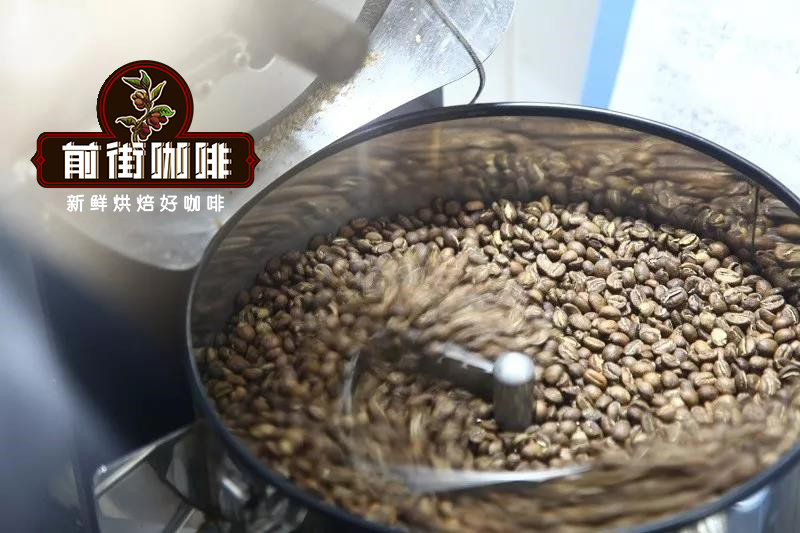
The timing and temperature control of the Maillard reaction are extremely important, as even slight differences can lead to significant variations in the coffee’s acidity, sweetness, or body. A shorter reaction time usually preserves more bright acidity and sweetness; a longer reaction time may result in deeper bitterness and body, though over-reaction can also damage delicate fruit acids.
When the temperature rises to about 170°C, the caramelization reaction begins to take effect. In this stage, complex carbohydrates break down into simpler sugars, and these soluble sugars not only enhance the sweetness of the coffee but also bring pleasant aromas like caramel and almond. The caramelization reaction continues until the end of roasting and is a crucial process in forming the final sweetness and aroma of coffee.
By combining these two major reactions, we can understand why roasting has such a profound impact on coffee flavor. In fact, many experts believe that the quality of the green bean itself determines about 70% of the coffee’s potential, roasting contributes about 20%, and the final brewing technique influences the remaining 10%.
Next, let’s explore common roast level classifications. According to American roasting terminology, coffee roasts can generally be divided into three main categories: light roast, medium roast, and dark roast. Each category can be further subdivided into multiple stages, with slight variations in definitions across different regions.
Extremely Light Roast (also called Light Roast), is typically dropped just before or around the start of first crack. Beans at this roast level exhibit a light cinnamon color, with pronounced acidity but flavors that have yet to fully develop. This roast is commonly used in coffee testing phases and is less commonly used for everyday drinking.
Light Roast (also known as Cinnamon Roast), is dropped during the start of first crack to its dense phase. The beans show a cinnamon hue, with grassy notes largely diminished and bright acidity. It is often used for making American-style coffee and suits drinkers who prefer a refreshing taste.
Medium Roast (or Light-Medium Roast) is dropped during the dense phase of first crack to its end. The beans appear chestnut-colored at this stage, with balanced acidity and bitterness, retaining more of the original flavors. It is suitable for both American coffee and blend coffee, and is a popular choice for many coffee beginners.
Moving into medium-dark roasts, we encounter City Roast, which is typically done after the first crack ends and before the second crack begins. The beans at this stage are light brown, with balanced acidity and bitterness, and a bright mouthfeel. It is a widely favored roast level, commonly used for French press or pour over coffee.
Full City Roast (also called Deep City Roast) is dropped at the beginning of the second crack. The beans appear brown at this stage, with a richer mouthfeel, where bitterness is slightly stronger than acidity. It suits drinkers who prefer a bold flavor and is often found in iced coffee or black coffee.
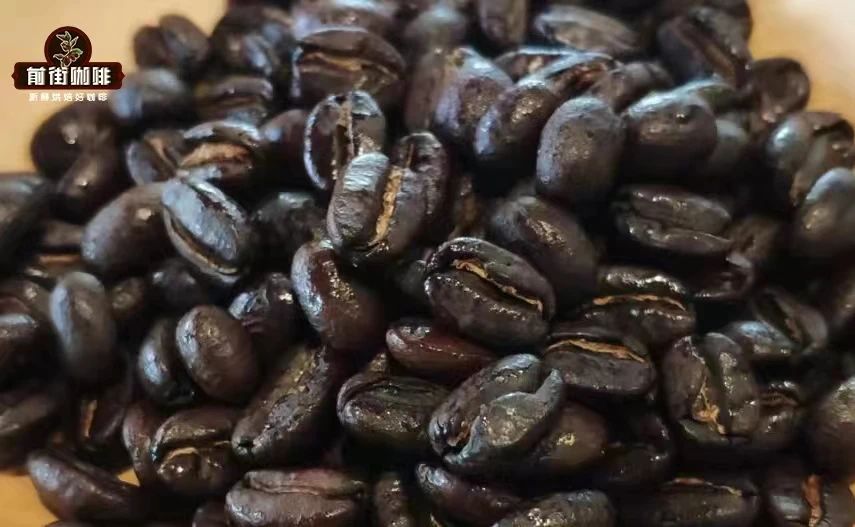
The very dark stages of dark roast include French Roast and Italian Roast. French Roast is typically carried out during the dense phase of the second crack to its end. The beans appear dark brown with black tones, offering intense flavors with distinct chocolate and smoky aromas. It is a classic choice in Europe, especially in France.
Finally, there’s Italian Roast, the darkest roast level, typically done after the second crack ends. The beans appear black with an oily sheen. This roast yields extremely bold flavors with pronounced bitterness, and is primarily used to make espresso. It is highly popular in Italy and Latin America.
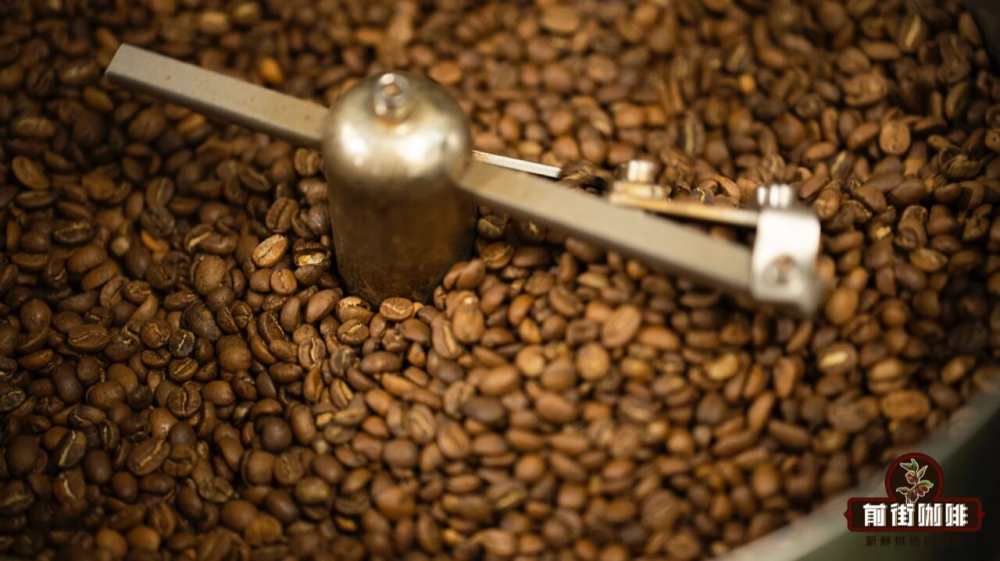

After understanding the classification of roast levels, let’s take a look at how actual beans perform. Take Ethiopia’s Yirgacheffe as an example. This high-altitude coffee from Africa is renowned for its bright acidity and fruity aromas, making it well-suited for light to medium roasting. Light-to-medium roasting highlights its tropical fruit, citrus, and honey notes, resulting in a fresher, livelier overall flavor.
On the other hand, Indonesia’s Mandheling coffee, with its herbal and spicy characteristics, is better suited to medium-dark or dark roasting. Dark roasting enhances its rich mouthfeel and deep chocolate aromas, creating a rounder and fuller overall flavor. It’s an excellent choice for winter warmers or pairing with desserts.
For pour over coffee, light-to-medium roasting is suitable for drinkers who prefer bright, sweet-and-sour profiles. A V60 dripper is recommended, with water temperature controlled at 90–91°C and grind size around medium-fine. Medium-dark to dark roasting suits those who enjoy a bold, full-bodied taste. A Kono dripper is recommended, with slightly lower water temperature around 86°C and a coarser grind to balance extraction and avoid over-extraction.
In summary, roast level is one of the key factors determining how coffee flavors are expressed. Whether you prefer bright and refreshing acidity or deep, rich body, you can find your ideal cup by choosing the right roast level and brewing method.

The above content is compiled by CoffeeHunters, a coffee news website.


