







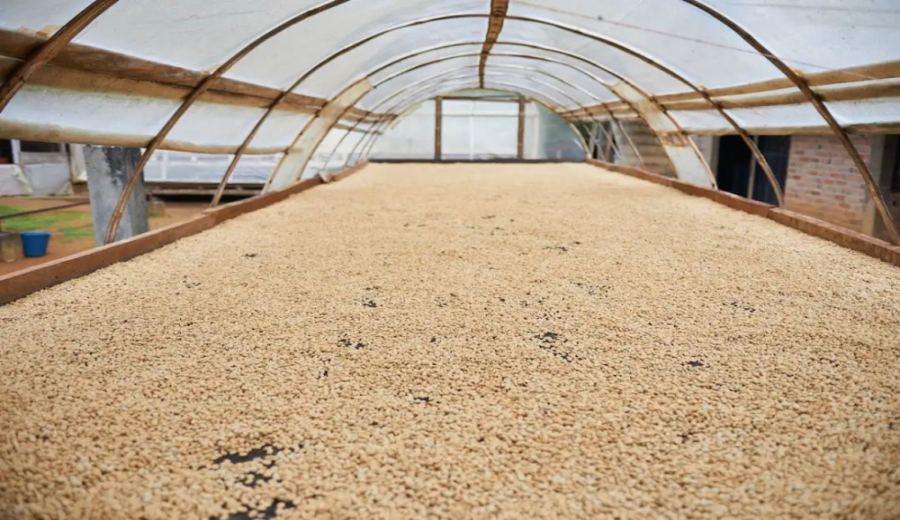
Introduction:Colombia is one of the world’s premier origins for specialty coffee, where its diverse terrain and high-altitude climate nurture a rich variety of coffee cultivars and innovative processing methods. This article delves into the origins of different varieties, the terroirs of major growing regions, and processing techniques such as washed, anaerobic natural, and rum barrel fermentation, analyzing their distinct flavor profiles in depth. It also provides V60 pour over brewing recommendations to help you fully explore the refined world of Colombian coffee.
As a key South American producer of Arabica coffee, Colombia has long ranked among the world’s top specialty coffee suppliers thanks to its unique geography and climate. The country is home to numerous renowned coffee-growing regions and continues to innovate, developing a diverse array of coffee varieties and processing methods that offer coffee enthusiasts everything from classic balance to bold fruity notes.
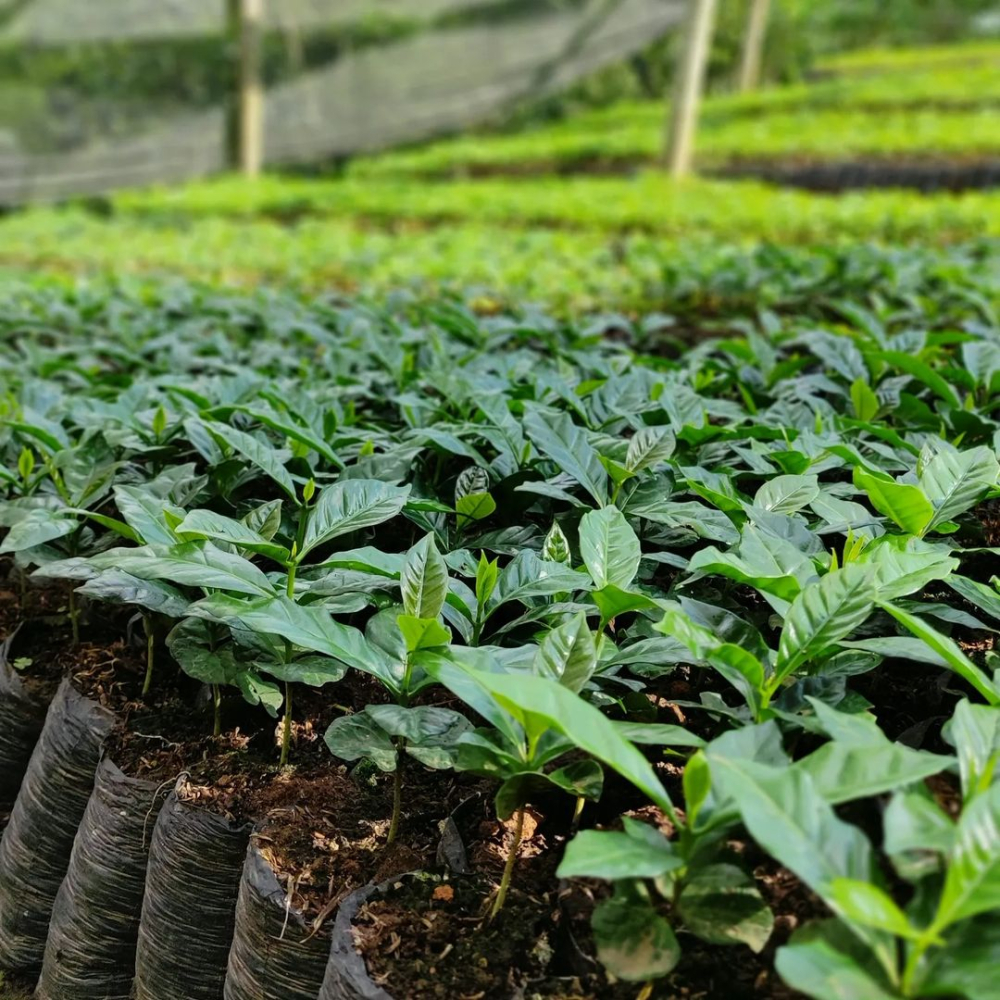
In terms of coffee varieties, commonly cultivated types in Colombia include Typica, Caturra, and Castillo, each with its own distinctive flavor characteristics. For example, Typica offers delicate floral aromas and good acidity, but its relatively low yield has led most farmers to favor higher-yielding and more resilient varieties like Caturra and Castillo. Caturra, a natural mutation of Bourbon, exhibits citrus and nutty notes, with a shorter plant height that facilitates dense planting. Castillo, meanwhile, was long developed by Colombia’s coffee research institutions, featuring strong disease resistance and balanced cup quality, and is widely grown across various regions.
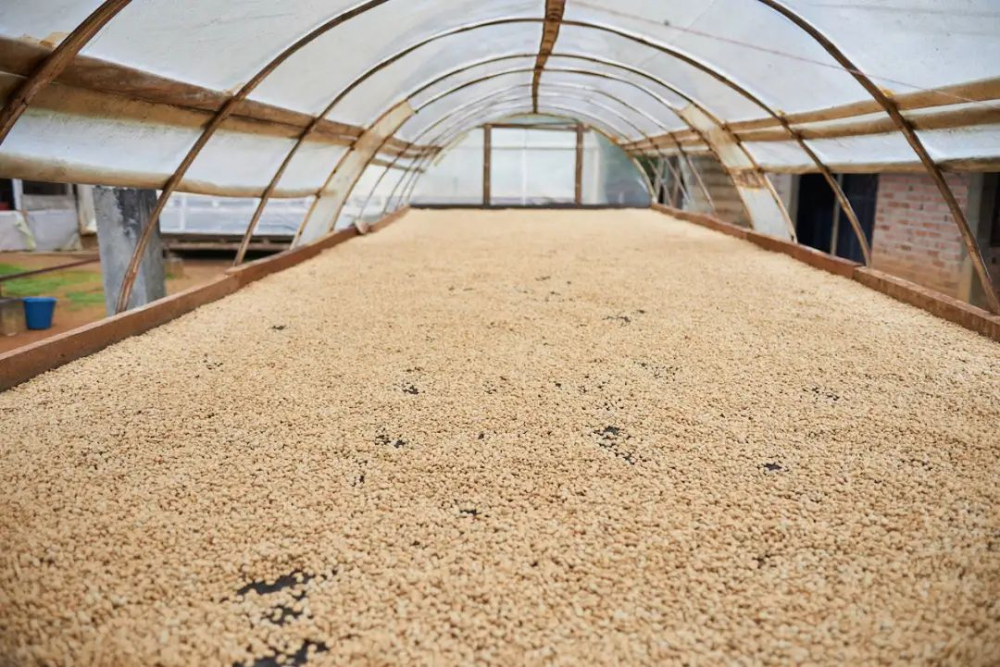
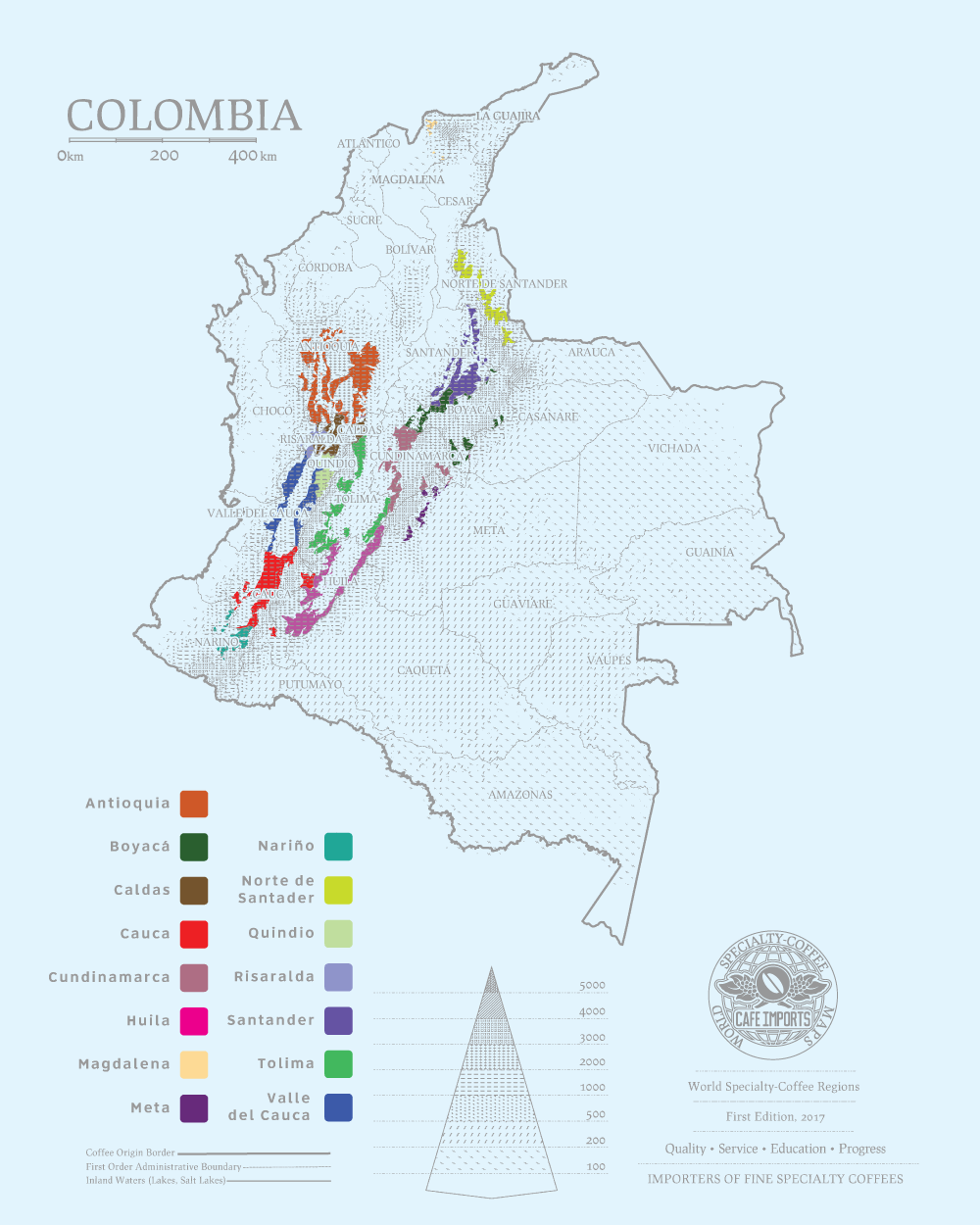
Colombia’s varied terrain—stretching from the central Andes Mountains to its coastal areas—has given rise to many iconic coffee-growing regions. Areas such as Huila, Cauca, and Santander produce distinctly flavored beans due to differences in altitude and microclimate. Huila, with elevations typically above 1,500 meters, features undulating mountains and abundant water sources, making it a key origin for specialty coffee. Cauca is known for its high-altitude mountainous terrain and fertile volcanic soils, along with significant diurnal temperature variations that help coffee cherries accumulate sugar and acidity. Santander, on the other hand, is gaining market attention for its diverse microclimates and innovations in processing techniques.
Processing methods play a crucial role in shaping coffee flavors. In recent years, Colombian coffee farmers have actively adopted advanced processing technologies. Beyond traditional washed processing, techniques such as anaerobic fermentation, double enzyme washed, rum barrel fermentation, and Swiss Water decaffeination have become increasingly common. Washed processing highlights clean acidity and foundational flavors, making it well-suited for showcasing the bright profiles of regions like Huila. Anaerobic natural processing, by controlling the fermentation environment, brings out intense fruitiness and sweetness, often with notes of strawberry and cherry. Anaerobic double enzyme washed combines multiple fermentation and enzymatic steps to deliver complex layers and unique herbal freshness. Rum barrel fermentation involves aging the beans in used wooden barrels for low-temperature fermentation, imparting enticing notes of liquor-infused chocolate and tropical fruits. Additionally, Swiss Water is a chemical-free decaffeination method that uses activated carbon filtration to remove 99.9% of caffeine while preserving flavor, making it an ideal choice for decaf lovers.
For brewing and enjoyment, the V60 dripper—with its wide aperture and spiral ribs—enhances airflow and extraction efficiency, making it particularly well-suited for highlighting the aroma and acidity of Colombian coffee. We recommend a brew temperature of 90°C, a coffee-to-water ratio of 1:15, and a medium-fine grind (such as EK43s#10, with about 80% passing through a #20 mesh sieve). Use a three-stage pouring method: start with a 30-gram bloom for 30 seconds, then pour 125 grams, and finally increase to 225 grams, with a total brew time of around 2 minutes. Pay attention to pour speed, especially with anaerobically or double-fermented beans—too fast a flow rate may affect extraction evenness. Slowing down the pour helps achieve optimal flavor balance.
In summary, the charm of Colombian coffee lies in its variety of cultivars, regional microclimates, and continuously evolving processing innovations. Whether you prefer classic balance, fruit-forward profiles, or low-caffeine health-conscious options, you’ll find your ideal specialty cup within Colombia’s coffee map. By understanding varietal traits, regional conditions, and processing methods, you’ll be able to savor the stories and nuances behind every sip.
The above content is compiled by CoffeeHunters, a coffee news website.


