







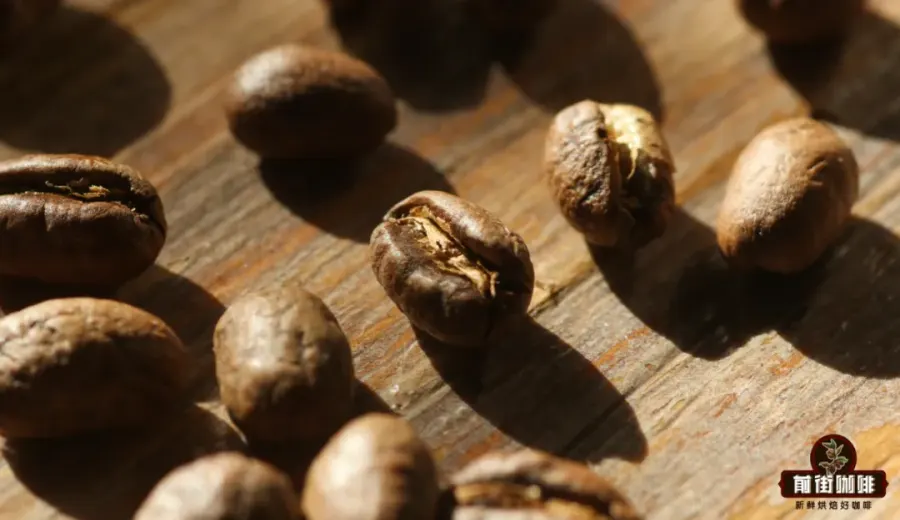
Introduction:It is commonly believed that coffee beans can be divided into "male beans" and "female beans," with the oval-shaped "male beans" being considered rarer, more flavorful, and thus more expensive. But is this really the case? This article delves into the reasons behind the formation of peaberries (round beans), debunks the myths surrounding coffee bean "genders," and compares the flavor differences between peaberries and flat beans through practical cupping sessions—helping you make smarter purchasing decisions without being misled.
In the coffee enthusiast community, it's often said that some coffee beans are round and oval in shape, referred to as "male beans." These are believed to be not only rarer but also more aromatic, and thus are often sold at much higher prices. However, this notion is not scientifically accurate. In the majority of coffee cherries, there are actually two flat, opposing "flat beans" that sit closely together inside the fruit, connected to each other by their flat sides. Only when certain environmental factors—such as insufficient nutrients during the growth process—prevent the successful development of two beans, does a single bean develop independently. Without the pressure from another bean, this lone bean grows into a smooth, oval shape, which is what we call a "peaberry."
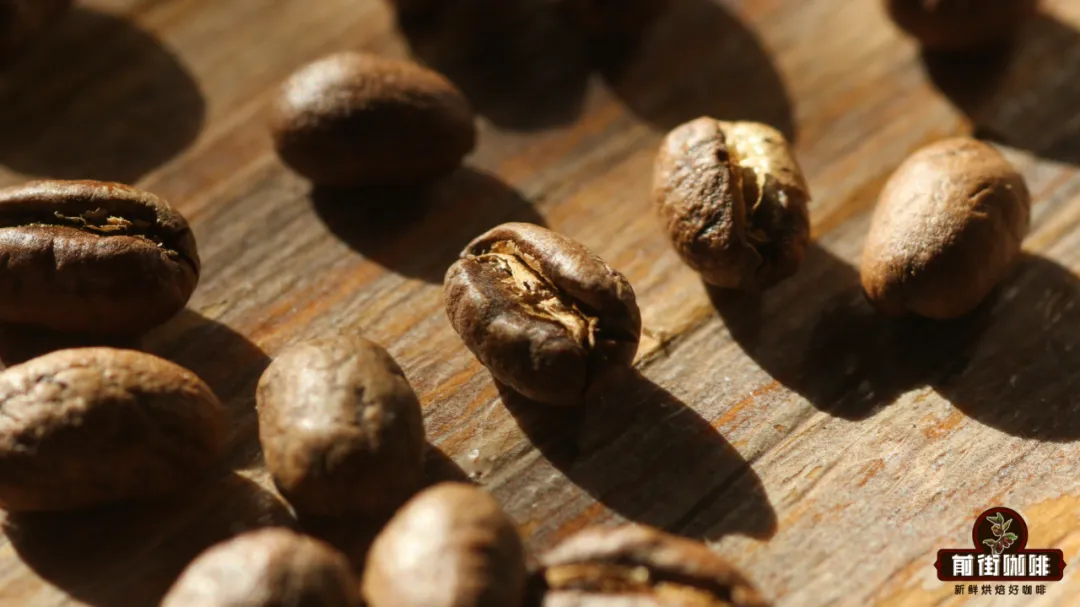
You might occasionally come across a few "odd ones out" while brewing coffee—they lack the distinct flat surfaces typical of regular coffee beans and instead appear as complete ovals. There are many stories surrounding these uniquely shaped beans, the most widely known being that they are called the "male beans" of coffee, with regular beans correspondingly referred to as "female beans." But in reality, this classification has no scientific basis; coffee beans themselves have no gender, nor is there any distinction between so-called "male" or "female" beans.
So, why do peaberries occur? The key lies in the growing conditions of the coffee fruit. Normally, each coffee cherry contains two coffee beans that share a space and are pressed against each other via their flat sides. However, if the coffee cherry faces suboptimal growth conditions—such as inadequate nutrient supply, extreme climate changes, or poor health of the plant itself—it may fail to fully develop both beans. In such cases, the plant will prioritize supplying nutrients to one seed, abandoning the other, resulting in the formation of just one coffee bean. With no other bean pressing against it, this single bean develops fully into a smooth, oval-shaped "peaberry."
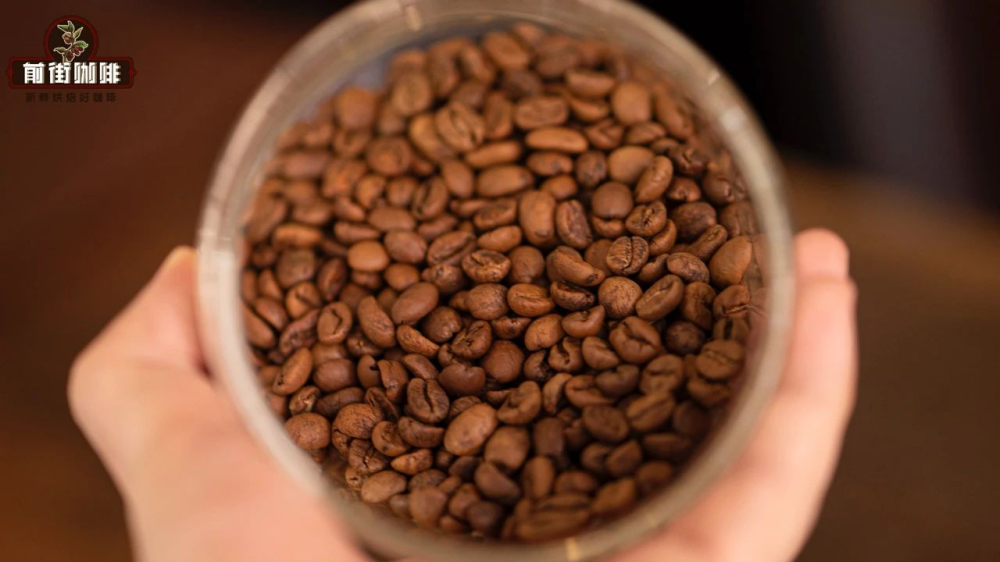
Due to the extremely low yield of peaberries, typically accounting for only about 5% of a batch of coffee beans, they are considered particularly rare in the market. Some Southeast Asian coffee merchants, seeing an opportunity, capitalize on the unique appearance and scarcity of peaberries, spinning various tales to emphasize their distinctive flavors and high quality—thereby driving up their prices. Additionally, in some countries, the grading system for coffee beans is based on size, and because peaberries are usually smaller, they are mostly classified under grades 14–15, fetching relatively lower prices. However, once selected and packaged as "rare peaberries," merchants can sell them at the price of higher-grade beans, such as those graded 17–18, thus earning greater profits.
But although peaberries are more expensive, are their flavors really superior to those of flat beans? To answer this question, some producers manually sorted peaberries from a batch of ungraded Geisha coffee beans and conducted actual cupping tests. From 220 grams of Geisha beans, they carefully selected 12 grams of peaberries, then brewed them under the same conditions and procedures, and compared them blindly with flat beans from the same batch. Although potential interference from different batches was eliminated during the process, the final conclusion was surprising: after multiple tastings, it was found that there were no significant differences in flavor between peaberries and flat beans.
This experimental result reminds us that although peaberries have a unique appearance and are rare, they do not necessarily taste better. Just like coffee beans of the same origin and variety grown together, peaberries and flat beans are actually different developmental outcomes from the same fruit. As long as the growing environment and processing methods are consistent, their flavor profiles are usually very similar. Therefore, when purchasing coffee beans, consumers should not blindly believe in the myth of peaberries, nor should they have overly high expectations for their flavor simply because of their rarity and high price.
The above content is compiled by CoffeeHunters, a coffee news website.


