







Introduction:The Geisha variety exhibits distinctly different flavor profiles depending on the growing region and processing method. This article provides an in-depth comparison between Costa Rican honey-processed Geisha and Panamanian washed and natural Geisha, exploring regional environments, processing techniques, and actual cupping performances to help you grasp the key flavor characteristics. It also offers practical pour over parameters and roasting recommendations to help you more accurately appreciate the diverse charm of Geisha.
The Geisha (Geisha) variety performs uniquely across global regions, with Panama and Costa Rica being two major representatives in terms of flavor. Panama is renowned for its washed and natural processing methods, which have helped establish Geisha’s classic image in the premium market. In contrast, Costa Rica uses honey processing to impart a more pronounced sweetness and fermentation complexity to Geisha. This article begins with a cupped Panamanian Boquete honey-processed Geisha, analyzing its specific flavor characteristics and then further comparing the differences in regional traits and processing techniques between the two countries, providing coffee enthusiasts with a more comprehensive tasting perspective.
When it comes to Geisha, many people first think of Panama. Renowned offerings such as the Emerald Estate’s Red and Green Label from a certain well-known coffee shop are industry-recognized benchmarks for top-tier Geisha and are often used as evaluation standards by coffee professionals. However, the flavor profile of Geisha can vary significantly based on the region and processing method. If you prefer sweet and tempting tastes, you can try the Strawberry Sugar Geisha from Costa Rica—a honey-processed blend with clear sweetness and rich layers. If you favor crisp and delicate floral and fruity aromas, Ethiopia’s Granja La Esperanza Geisha is an excellent choice, featuring distinct floral notes, along with apricot and orange tones, all with clear layering.
The star of this cupping session is a honey-processed Geisha from the Boquete region of Panama. It’s worth noting that Panama’s mainstream processing still primarily favors washed and natural methods, making honey processing relatively rare—this particular approach can be considered an innovative experiment. After multiple curve tests, the final selection was brewing Curve No. 3, which successfully highlighted its captivating floral characteristics. When sipped, it greets you with bright citrus and lemon acidity, which then transitions into a creamy, velvety body, with a finish that carries the freshness of green tea and a hint of cane sugar sweetness. The overall balance is excellent, with a long and lingering aftertaste.
The history of the Geisha variety dates back to 1931, when a group of botanists discovered this bean near the village of Geisha in southwestern Ethiopia and brought the seeds to Kenya for cultivation. In 1936, the variety was further introduced to Uganda and Tanzania. By 1953, CATIE, a research institution in Costa Rica, imported some Geisha seeds from Tanzania for research purposes. It wasn’t until 1960 that the former owner of Panama’s Hacienda La Esmeralda, Pachi Serracin, brought Geisha to Panama. Later, Hacienda Esmeralda isolated it from other varieties, and its outstanding performance helped it win the national coffee competition, firmly establishing Geisha’s high-end status.
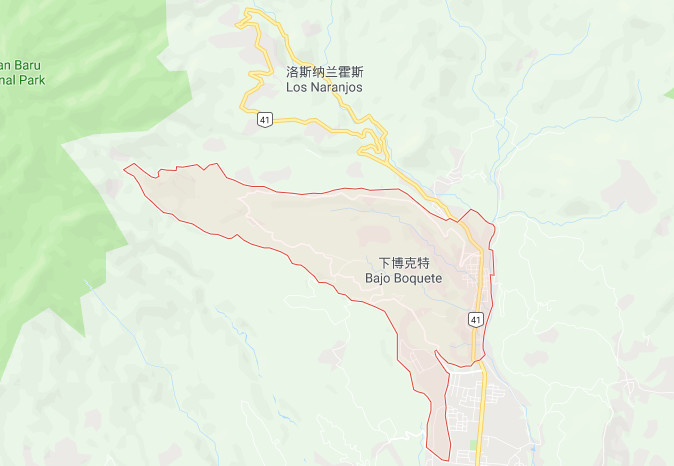
The Boquete region of Panama is one of the important birthplaces of Geisha coffee. Located in western Panama, bordering Costa Rica and close to the famous Baru Volcano, Boquete boasts not only beautiful scenery but also fertile, deep volcanic soil. Coupled with high altitude and a cool climate, it creates an ideal environment for cultivating specialty coffee. As part of the Chiriquí Province, Boquete features diverse microclimates due to its terrain. The central mountain range causes cold air to gather here, especially in areas above 6,500 feet in elevation, where temperature and rainfall conditions are extremely suitable for coffee cultivation, resulting in unique flavor characteristics.
In terms of processing, the Panamanian Boquete Geisha cupped in this session used the honey process. Honey processing refers to removing the outer skin of the coffee cherry but retaining the mucilage layer in the middle before sun-drying. Unlike traditional washed methods, the sticky mucilage is not washed off during honey processing but is instead allowed to slowly dry in the sun, thereby influencing the final flavor. This method demands higher requirements for climate and drying environments—if ventilation is poor, it can easily lead to over-fermentation or mold, resulting in undesirable odors. Compared to washed processing, honey-processed coffee at the same roast level often exhibits higher sweetness and richer body, making it an experimental choice for many specialty coffee farms.
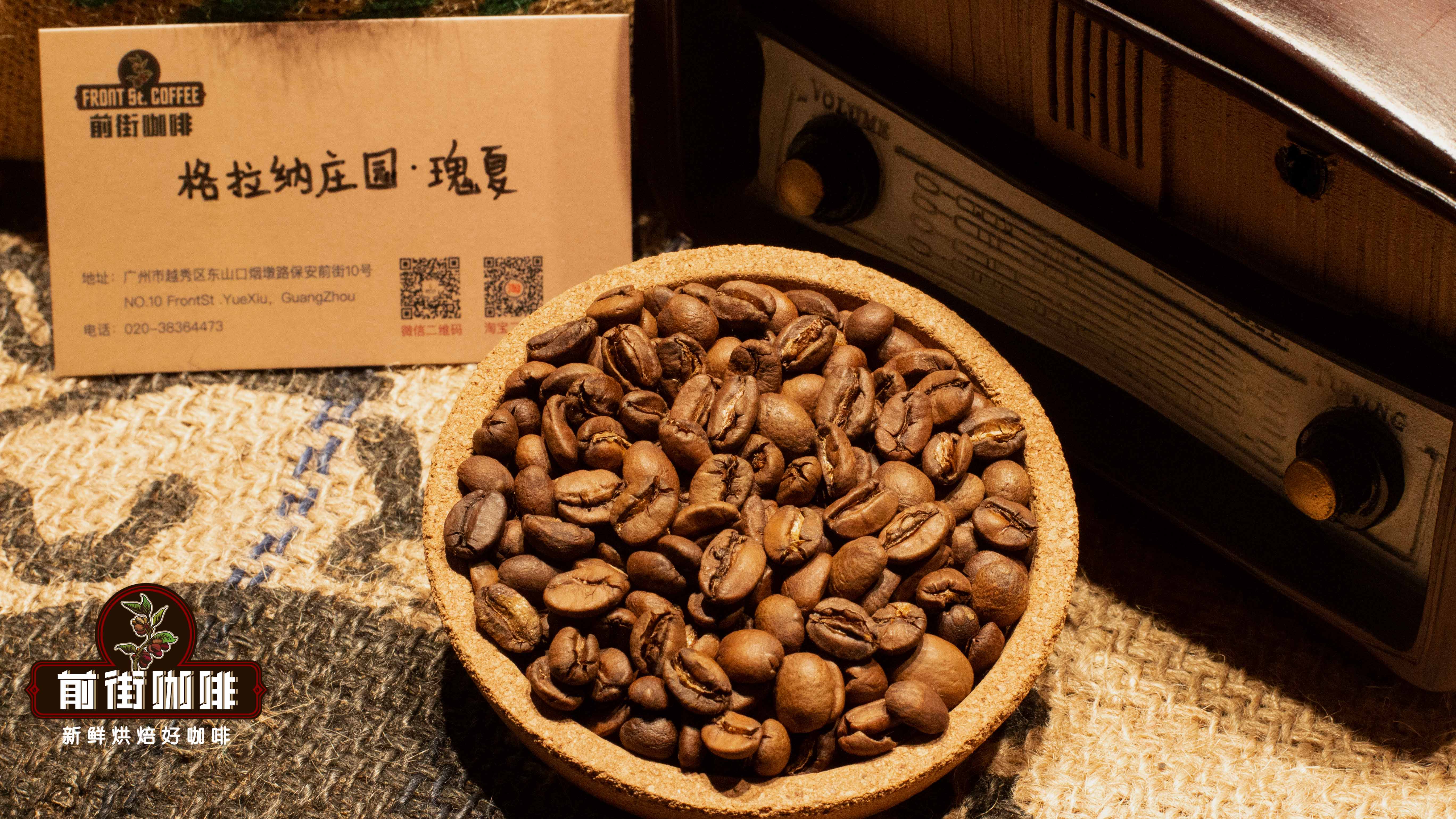
The raw beans of this Panamanian honey-processed Geisha have a light yellow-green appearance, typical of honey-processed beans, and emit a faint apple aroma. Geisha is an original variety within the Arabica species and is extremely particular about its growing environment. It requires high altitude, cloud cover, fertile soil, and sufficient accumulated temperature to fully express its potential.
In terms of roasting, the charge temperature used this time was 170°C. The turning point to yellow occurred at 5 minutes and 25 seconds, first crack started at 8 minutes and 37 seconds when the temperature was 182.5°C, and first crack development continued for 1 minute and 28 seconds before dropping. The final temperature reached 190.5°C. The Agtron bean color value was 82.6, the Agtron pulp color value was 90.3, and the Roast Delta value was 7.7. This constitutes a medium-light to medium roast, which helps highlight the delicate aromas and complex layers of Geisha.
During cupping, this coffee bean exhibited pronounced aromas of lemon, plum, sweet orange, and cream, accompanied by soft jasmine floral notes and subtle fermentation scents. The finish carried a sensation akin to oolong tea. The overall flavor profile was multi-layered and well-balanced. For actual pour over, it is recommended to use water at 90°C, paired with medium-fine grind (approximately 80% passing through a Chinese standard No. 20 sieve, such as with a Hario V60 filter). The coffee-to-water ratio was set at 1:15. Brewing can be done via a multi-pour method: start with 35 grams of water for a 30-second bloom, then pour up to 130 grams and pause, wait for the water level to drop, and then continue pouring up to 230 grams before finishing the extraction. The total brew time is controlled to around two minutes. These parameters help fully express its citrus acidity, creamy sweetness, and the tea-like aftertaste in the finish.
Overall, the honey-processed Geisha from Costa Rica and the traditional processed (washed and natural) Geisha from Panama show clear differences in flavor direction. The former emphasizes sweetness, body, and fermentation layers, while the latter highlights clear floral and fruity aromas, bright acidity, and delicate finishes. Regardless of the processing method, Geisha offers exceptional drinking value and is worthy of in-depth exploration and appreciation by coffee enthusiasts.
The above content is compiled by CoffeeHunters, a coffee news website.


