







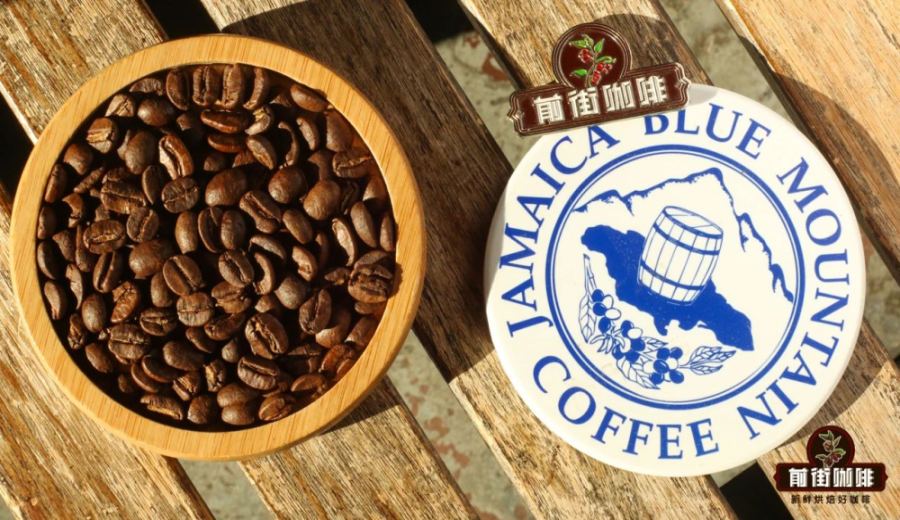
Introduction:Jamaica Blue Mountain coffee is renowned for its delicate balance, yet the market is flooded with imitations. This article delves into the authentic certification standards of true Blue Mountain coffee, introducing you to the washed Typica beans from the heart of the region—Clifton Estate at an elevation of 1310 meters. Explore everything from its growing environment at high altitude, the CIB’s rigorous grading system, to practical pour over brewing parameters using medium-dark roasts. We break down its layered profile of brown sugar sweetness, dark chocolate finish, and nutty undertones, along with a professional flavor profile and brewing recommendations to help coffee enthusiasts identify the genuine article and master the optimal way to enjoy it.
Jamaica Blue Mountain coffee is hailed as one of the world’s finest, yet many consumers mistake commercially sold “Blue Mountain-flavored” blends for the real thing. In reality, only coffee certified by the Jamaica Coffee Industry Board (CIB) and grown in specific high-altitude zones of the Blue Mountains can bear the official title “Jamaica Blue Mountain Coffee.” Among these, Clifton Estate—a historic and representative growing region—its washed Blue Mountain No.1 beans are especially sought after by collectors and specialty coffee enthusiasts.
These Typica variety beans, sourced from altitudes as high as 1310 meters, are processed using the washed method to preserve their most pure flavor characteristics. Professional cupping analysis shows that when roasted to a medium-dark level, they exhibit a prominent brown sugar aroma as the base, paired with the rich bitterness and sweetness of dark chocolate, and a nuanced, refined nutty-cocoa finish. Notably, Clifton Estate, being located in the oldest continuously operating production area of the Blue Mountains and certified with a “Rainforest” label, benefits from a unique microclimate and soil conditions that endow the beans with distinctive delicate acidity and a buttery-smooth mouthfeel.
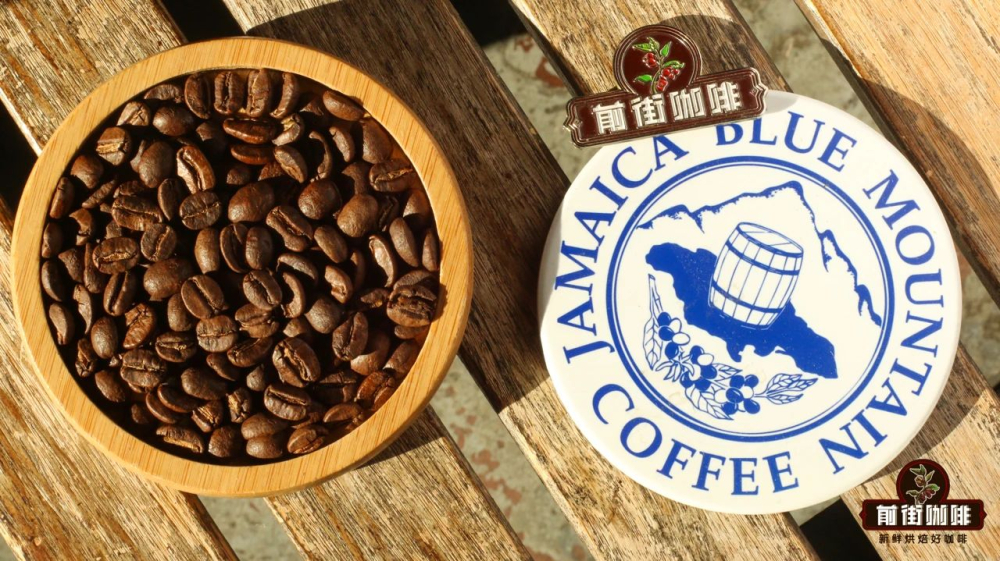
It’s important to note that many products on the market that claim to have a “Blue Mountain flavor” are often merely blends or coffees sourced from areas surrounding the Blue Mountains. True CIB-certified Blue Mountain coffee must be grown in designated certified zones at elevations above 2200 feet (approximately 670 meters), and is categorized into grades NO.1 to NO.3 and PB (peaberry) based on bean size and defect rate. The NO.1 grade requires green beans to be 17 mesh or larger, with a defect rate below 3% and a stable moisture content of around 13%. These stringent criteria ensure the consistently high quality for which Blue Mountain coffee is known.
Clifton Estate is not only the oldest continuously operating estate in the Blue Mountains, but its planting altitude of approximately 4300 feet (about 1310 meters) in the Newcastle area also creates a unique microclimate. The region is influenced year-round by the warm, moist air currents of the Caribbean Sea, with frequent fog and abundant rainfall—ideal conditions for the slow maturation of coffee cherries. It’s worth noting that while this estate is the largest operator within the Blue Mountain region, by international standards it remains a smallholder farm, with much of the land owned by families who have maintained their planting traditions for over two centuries.
In terms of processing techniques, Clifton Estate combines the advantages of high altitude with traditional methods to develop a distinctive, refined washed process. This craftsmanship not only preserves the innate floral and fruity notes of the Typica variety, but also enhances the body texture and layered transitions of the brewed coffee. For actual brewing, a medium-dark roast is recommended. At this roast level, the coffee exhibits gentle yet bright acidity that balances perfectly with its rich body. For pour over enthusiasts who prefer a pure black coffee experience, this bean showcases subtle floral undertones, delicate spice notes, and the nuanced interplay of lemony acidity.
Looking further at its flavor profile, the roasted Clifton Blue Mountain No.1 beans emit a rich and multi-layered aroma. The initial sip is dominated by a distinct brown sugar sweetness, which then transitions into the deep bitterness and richness of dark chocolate, with the finish carrying a smooth and mellow note of nuts and cocoa. The overall mouthfeel is velvety-smooth, with a solid yet fluid body structure. The acidity is clear but not sharp, the bitterness is extremely restrained, retaining only moderate intensity, and the overall impression is capped off with a long-lasting fruity aftertaste. This balanced character makes it highly suitable for enjoyment via pour over or drip bags. For brewing, it’s advised to maintain water temperature between 90–93°C, use a medium-fine to fine grind (slightly coarser than granulated sugar), and employ a pulse pouring technique to fully draw out the layered complexity.
In summary, understanding true Jamaica Blue Mountain coffee requires examining it from multiple angles: certification standards, regional characteristics, and processing techniques. As a representative of the core Blue Mountain growing area, Clifton Estate’s washed Blue Mountain No.1 beans not only showcase the unique advantages of high-altitude cultivation, but also achieve, through a rigorous grading system and refined craftsmanship, a classic coffee that’s perfect for in-depth appreciation. For coffee lovers seeking nuanced flavors and an authentic experience, grasping these key elements will aid in identifying the genuine product and optimizing your home brewing results.
The above content is compiled by CoffeeHunters, a coffee news website.


