







Introduction:Jamaican Blue Mountain coffee is world-renowned for its high price and exceptional flavor, but its premium cost stems not only from its superior natural environment, but also from complex regional restrictions and historical background. This article delves into the grading standards of Blue Mountain No. 1, the differences among the three grades, and explains how the Japanese market has influenced its scarcity, while also providing practical pour over parameters and techniques to help you better understand the essence of this top-tier coffee.
Blue Mountain coffee is hailed as a legend in the coffee world. Its high price and prestige are derived not only from its unique geographical conditions, but are also deeply influenced by history and market supply and demand. In the global specialty coffee market, Blue Mountain coffee is a dream choice for many coffee lovers due to its rarity and delicate flavor. But did you know? Only a small portion of Jamaica’s total coffee production can truly be called ‘Blue Mountain coffee.’ This article will take you through the evaluation criteria for Blue Mountain No. 1, the grade differences between Blue Mountain, High Mountain, and Prime coffee, as well as practical pour over brewing methods.
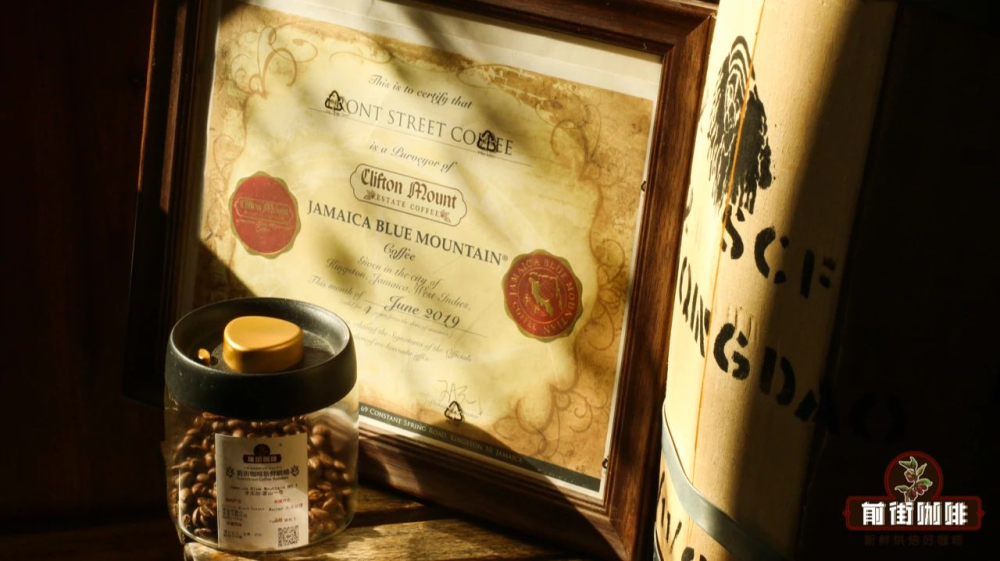
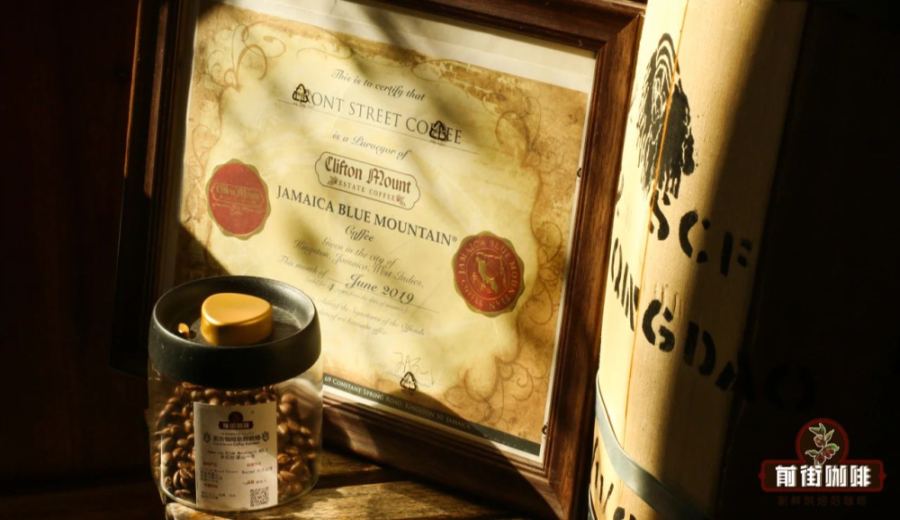
First, what is genuine Blue Mountain No. 1? The commonly available ‘Blue Mountain-flavored’ blends on the market are often made from beans sourced from other regions, with dark roasting used to mimic the taste of Blue Mountain—but these are not authentic Blue Mountain coffee from the Jamaica Blue Mountains. Genuine Blue Mountain No. 1 refers to Typica variety coffee beans grown at specific altitudes and within designated areas of the Jamaica Blue Mountains, rigorously selected and typically processed via washed method, and graded to a high cupping quality standard. Before the year 2000, a cup of Blue Mountain black coffee in China could easily cost dozens or even hundreds of yuan, not only highly priced but possibly counterfeit blends. Nowadays, with adjustments to the quota system, Blue Mountain No. 1 has become more accessible than before—for example, some retailers sell it for about 158 yuan per 100 grams, and a single cup tasting at a café is around 60 yuan (200ml), with the beans sourced from the historic Clifton Estate in Jamaica.
Scarcity defines value: The origin and environment of Blue Mountain coffee
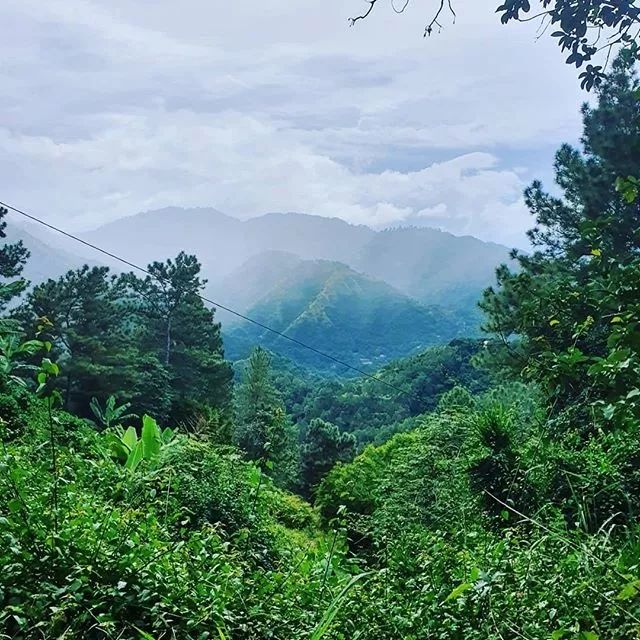
The exceptional quality of Blue Mountain coffee is inseparable from its growing environment. The Blue Mountains are surrounded by the Caribbean Sea, characterized by a typical island-type tropical rainforest microclimate with concentrated rainy seasons and good drainage. Additionally, the volcanic soil is rich in minerals, enabling coffee trees to grow healthily under moderate natural conditions. The altitude in this area generally ranges between 1,000 to 1,700 meters, often shrouded in light mist and enjoying a cool climate—ideal for cultivating the Typica variety. Interestingly, although the Blue Mountains rise over 2,000 meters, **the government has officially prohibited coffee cultivation above 1,700 meters due to risks of cold and frost**, so Blue Mountain coffee is strictly grown below 1,700 meters, and mainly concentrated in areas above 1,000 meters to ensure optimal flavor.
Blue Mountain, High Mountain, and Prime: Differences among the three grades
The Jamaica Coffee Industry Board (CIB) classifies the country’s coffee into three major categories: Jamaican Blue Mountain coffee, Jamaican High Mountain coffee, and Jamaican Prime coffee. Among them, only Typica beans grown within the designated Blue Mountain area at altitudes above 1,000 meters qualify as ‘Blue Mountain coffee.’ This exclusive growing region accounts for only one-third of the total area of the Blue Mountains, spanning the four parishes of St. Thomas, St. Mary, St. Andrew, and Portland.Blue Mountain coffee makes up less than 15% of Jamaica’s total coffee production,with an annual output of about 900 metric tons,
making it extremely rare. High Mountain coffee is grown in regions adjacent to Blue Mountain but at slightly lower altitudes. While its flavor profile is somewhat inferior, it still maintains good quality; Prime coffee is mostly produced at even lower altitudes or outside designated Blue Mountain areas, representing the lowest in both price and rarity among the three. The market prices and reputations of these three grades vary greatly, with Blue Mountain No. 1 being the highest grade.
What are the grading standards for Blue Mountain No. 1?
The CIB is one of the earliest institutions to adopt scientific methods for evaluating coffee grades, with scoring criteria including green bean size, color, uniformity, defect rate, moisture content, and cupping performance. Among them, **Blue Mountain No. 1 green beans must be 17 mesh or larger (approximately 6.75mm), have a defect rate below 3%, maintain a moisture content of around 13%, and demonstrate low acidity, rich aroma, full body, and a long-lasting aftertaste in cupping**. In addition, Jamaica insists on using traditional wooden barrels to transport green beans, which is not only a cultural symbol but also helps maintain the quality stability of the beans during transit.
Historical influence of the Japanese market
The long-standing image of Blue Mountain coffee as a ‘high-price myth’ is closely tied to historical events in the 1960s and 1970s. In 1969, Jamaica was hit by a hurricane that damaged its coffee industry. At that time, Japan’s UCC provided financial and technical assistance, introducing eco-friendly farming methods. In gratitude, the Jamaican government signed a 30-year agreement with Japan, prioritizing 90% of Blue Mountain coffee quotas for the Japanese market, with the remaining 10% allocated to Europe and America. Since the Japanese market couldn’t consume all of it, some Blue Mountain beans were resold to other parts of Asia such as Singapore, Hong Kong, Taiwan, and South Korea, further boosting their scarcity and fame. It wasn’t until the agreement expired in 2008, coupled with the rise of the Chinese market, that Blue Mountain coffee gradually became more widely available in other regions, with prices becoming more affordable than before.
How to brew a classic cup of Blue Mountain No. 1?
To brew the best flavor of Blue Mountain No. 1 at home, pay attention to some details. First, it is recommended to use freshly roasted beans within 5 days of roasting to preserve optimal aroma and flavor. Blue Mountain No. 1 is generally medium-dark roasted, emphasizing a balance of chocolate, nuttiness, and mild acidity. The suggested parameters from the shop are as follows:
- Filter: KONO filter (enhances immersion effect, boosts body)
- Water temperature: 88°C
- Coffee dosage: 15 grams
- Grind size: about 75% through a 20-mesh sieve (medium-coarse, similar to EK43s setting 10.5)
- Coffee-to-water ratio: 1:15
Step-by-step: Start with a small amount of hot water (about 30 grams) for a 30-second bloom, then pour water in small circles centered to reach 125 grams, wait for the water level to drop, and continue pouring to 225 grams. Total extraction time is about 2 minutes 30 seconds to 3 minutes. This method fully brings out the sweetness and body of Blue Mountain coffee, while avoiding bitterness from over-extraction.
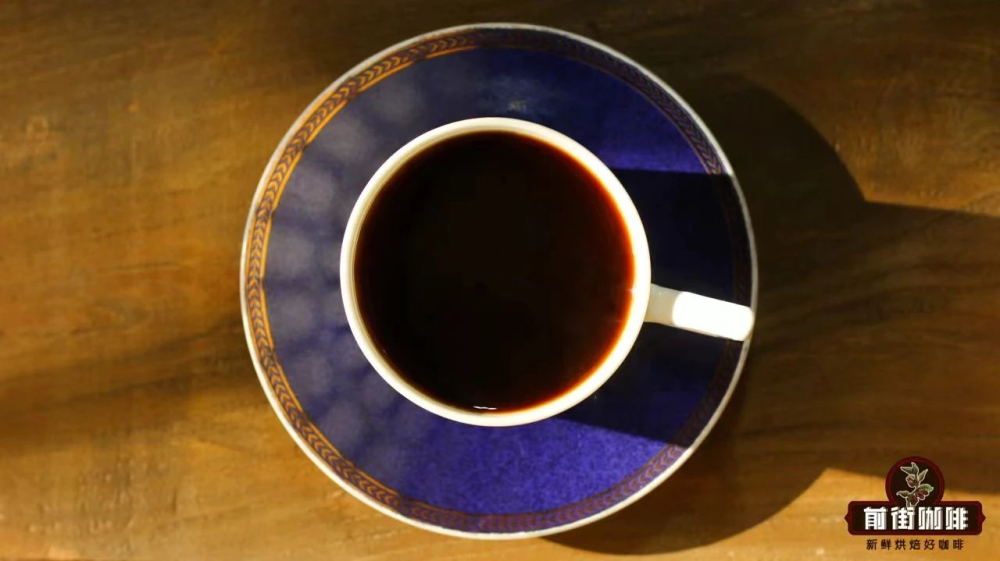
A well-brewed cup of Blue Mountain No. 1 typically presents a rich, dark chocolate-like aroma with caramel sweetness and a gentle, refined acidity. The overall mouthfeel is smooth and full-bodied, representing the classic expression of Blue Mountain flavor.
The above content is compiled by CoffeeHunters, a coffee news website.


