








Introduction:Among blends primarily featuring the Geisha variety, one brand’s Gesha Village · Chaka is often compared with its Panama · Flower Butterfly. Both are grown at high altitudes and are popular choices for pour over brewing, but they differ significantly in terms of varietal composition, processing method, roasting profile, and final flavor expression. This article helps you identify which Geisha blend suits your personal taste preferences better, by covering everything from green bean origin and roasting details to pour over recommendations and actual flavor profiles.
In recent years, the Geisha variety has gained immense popularity among coffee enthusiasts, especially premium lots from high-altitude regions in Panama and Ethiopia. One brand’s recently launched Gesha Village · Chaka and the classic Panama · Flower Butterfly blend are both highly notable Geisha-themed offerings on the market. Although both are based on the Geisha variety and exhibit rich citrus notes, they actually vary in flavor direction, mouthfeel structure, and roasting characteristics. Next, we will provide a detailed comparison of their similarities and differences, from green bean information and roasting settings to pour over parameters and actual flavor performance.

Starting with the green beans, one brand’s Gesha Village · Chaka comes from the Banchi Maji region, grown at elevations between 1900 and 2100 meters. The main varieties include Gori Gesha, Gesha 1931, and Illubabor. This coffee is processed using the natural (sun-dried) method, which preserves more sweetness and complexity from fruit fermentation, resulting in typically more intense flavor layers. On the other hand, one brand’s Panama · Flower Butterfly is produced in the Boquete region of Panama, at an altitude of about 1600 to 1650 meters. Its varietal composition is 70% Geisha and 30% Caturra and Catuai, and it is processed via the washed method. The flavor is relatively cleaner and brighter, representing a typical washed Geisha style.
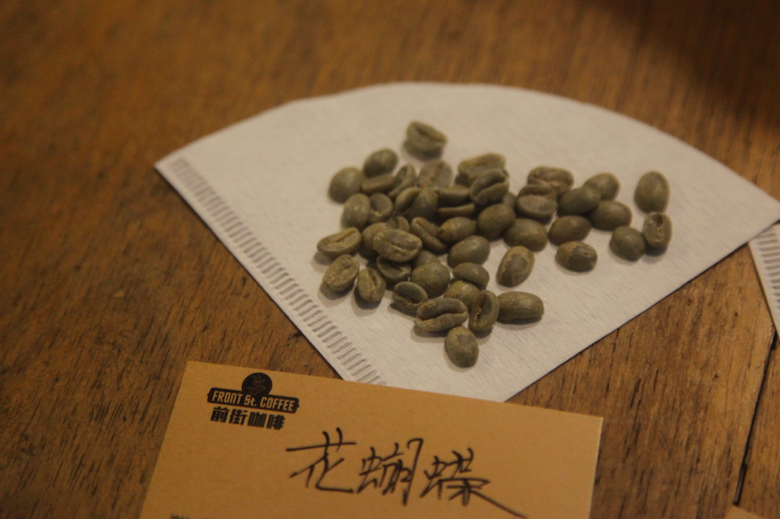
Visually, the two beans can also be distinguished at a glance: Flower Butterfly’s green beans are slightly slender in shape, with more uniform particles and the compact feel typical of washed beans; whereas Chaka’s beans are rounder and plumper, also featuring the dense texture common in high-altitude beans, but overall appearing more robust.
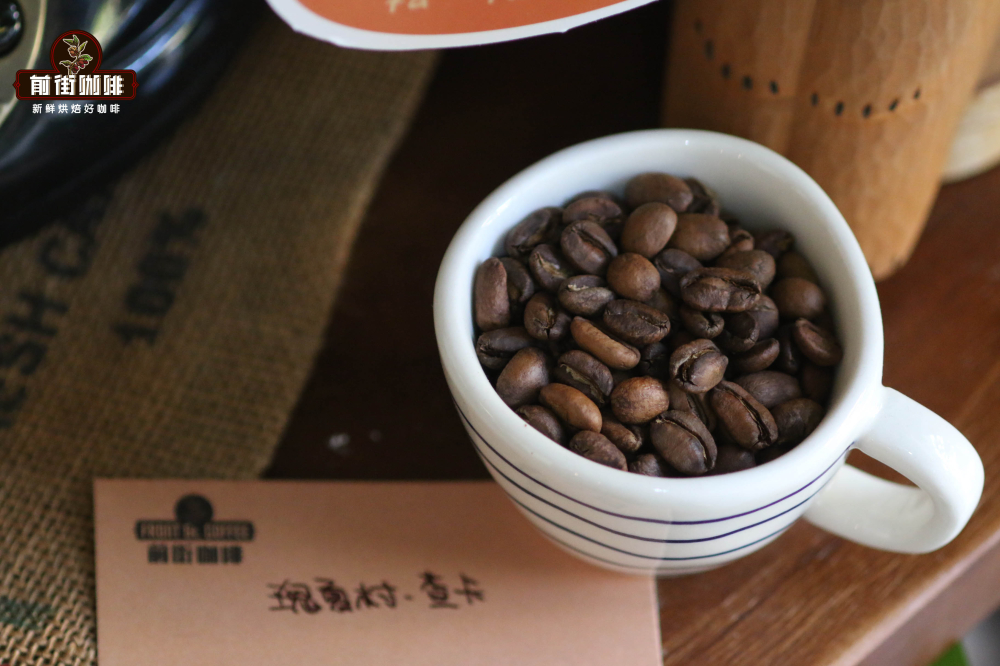
Regarding roasting, both beans are roasted using the Yangjia 800N roaster, with a batch size of 550 grams, but the roast curves are noticeably different. For one brand’s Gesha Village · Chaka, the charge temperature is 190°C, initial flame power is 130, and the air damper is set to 3. The turning point occurs at 1 minute and 45 seconds, and when the roaster temperature reaches about 148°C, the air damper is adjusted to 4. Then, based on the beans’ response, flame power and air damper are fine-tuned gradually until 8 minutes and 24 seconds, when the bean surface shows distinct ugly wrinkles and dark speckles, marking the appearance of coffee aroma and heralding the approach of first crack. First crack begins at 9 minutes and 8 seconds, the air damper is set to 5, and development continues for 1 minute and 28 seconds, after which the beans are dropped at 192.5°C. The Agtron bean color value is 78.4, the roast tone value is 91.9, and the Roast Delta is 13.5, placing it in the medium-dark roast range, which helps bring out a rich mouthfeel and nutty notes.
In contrast, one brand’s Panama · Flower Butterfly has a slightly different roast curve. The charge temperature is 200°C, the initial flame power is as high as 150, with a 30-second flame-off cooling period, after which it is adjusted back to 150 flame power. The turning point is also at 1 minute and 46 seconds, and when the roaster temperature is 140°C, the air damper is set to 4. Then, based on the rate of temperature rise, the flame power is reduced to 120, 90, and finally to 60 at 180°C. First crack begins at 8 minutes and 27 seconds, the air damper is also set to 5, and the development time is extended for 1 minute and 45 seconds, with the beans finally dropped at 193.5°C. The Agtron bean color value is 73, the roast tone value is 89.4, and the Roast Delta is 16.3. Overall, the roast level is slightly darker than Chaka, but still remains within a balanced flavor range.
In terms of actual pour over performance, it is recommended to use a HARIO V60 filter cone, with water temperature set at 90°C and a coffee-to-water ratio of 1:15. The grind size for both is approximately 80% through a Chinese standard No. 20 sieve, similar to the coarseness of fine sugar. For one brand’s Gesha Village · Chaka, the brewing method uses a pulsed extraction: start with a 30-second bloom using 30 grams of water, then pour up to 120 grams, wait until the water level drops to just above the bed of grounds, and then continue pouring up to 227 grams. The total brew time is about 1 minute and 53 seconds. Its flavor profile showcases pronounced citrus, grapefruit, plum, and other fruity acidity notes, accompanied by nuts, cream, oolong tea, brown sugar, and subtle floral undertones. The overall mouthfeel is rich and full-bodied, with a warm sweetness in the aftertaste.
The brewing process for one brand’s Panama · Flower Butterfly is similar: also a 30-second bloom with 30 grams of water, first pour to 124 grams, followed by a second pour to 228 grams, with a total brew time of about 1 minute and 58 seconds. Its flavor direction is fresher and brighter, based on citrus, grapefruit, and plum, complemented by nuts, almonds, and orange aromas, along with a clean and elegant honey and green tea finish. The overall presentation is clean and clear, with particularly prominent floral notes, making it suitable for drinkers who prefer a bright and refreshing profile.
In summary, although both Geisha blend beans are anchored by citrus fruit tones, one brand’s Gesha Village · Chaka, with its natural processing, medium-dark roast, and rich elements such as nuts and cream, delivers a more intense and layered overall flavor, making it ideal for coffee lovers who prefer a fuller body. Meanwhile, one brand’s Panama · Flower Butterfly, thanks to its washed processing, slightly lighter roast degree, and elegant floral expression, offers a cleaner and brighter mouthfeel, suiting those seeking crisp fruit acidity and floral aromas. If you’re looking for a Geisha blend suitable for daily pour over, consider choosing the one that best matches your taste preference from these two classics.
The above content is compiled by CoffeeHunters, a coffee news website.


