







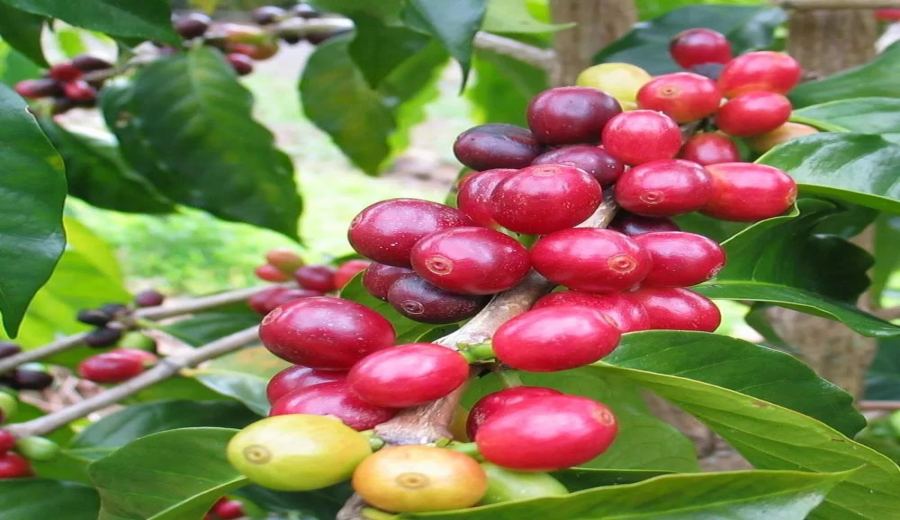
Introduction:Arabica is the world’s most beloved specialty coffee species, encompassing classic varieties such as Typica, Bourbon, and Geisha. Each variety boasts unique characteristics in plant morphology, bean appearance, and flavor profile. This article provides a systematic introduction to the origin, physical features, and brewing recommendations of major Arabica coffee varieties, accompanied by practical visuals to help you easily identify beans based on shape and cupping flavors—enhancing your bean selection and pour over experience.
Arabica (Arabica), as the most widely cultivated coffee species globally, has numerous sub-varieties, including Typica, Bourbon, Geisha, Caturra, and more. Each variety not only exhibits significant differences in appearance but also showcases distinctly unique cupping flavors. Understanding these details not only aids in selecting high-quality coffee beans but also enhances your discernment when brewing and tasting.
Origin and Classification: From Ethiopia to the World
Coffee originated in Ethiopia, a land hailed as the genetic treasure trove of coffee varieties. Most popular Arabica varieties today trace their roots here. The genus Coffea is divided into three primary species: the small-seeded Arabica, the medium-seeded Robusta, and the large-seeded Liberica. Among them, Arabica, known for its superior aroma and flavor, is considered the cornerstone of specialty coffee, accounting for approximately 75% of global production.
Arabica plants typically grow to heights of 2.5 to 4.5 meters and thrive in high-altitude environments ranging from 800 to 2000 meters. They can tolerate low temperatures but are sensitive to severe cold and drought. Their coffee beans are relatively long and flat, with an S-shaped central groove, distinctly different from the rounder shape and straight central line of Robusta. Additionally, even within the same variety, flavors can vary significantly due to differences in climate and soil, such as Geisha grown in Ethiopia versus Panama, which may present entirely different flavor profiles.
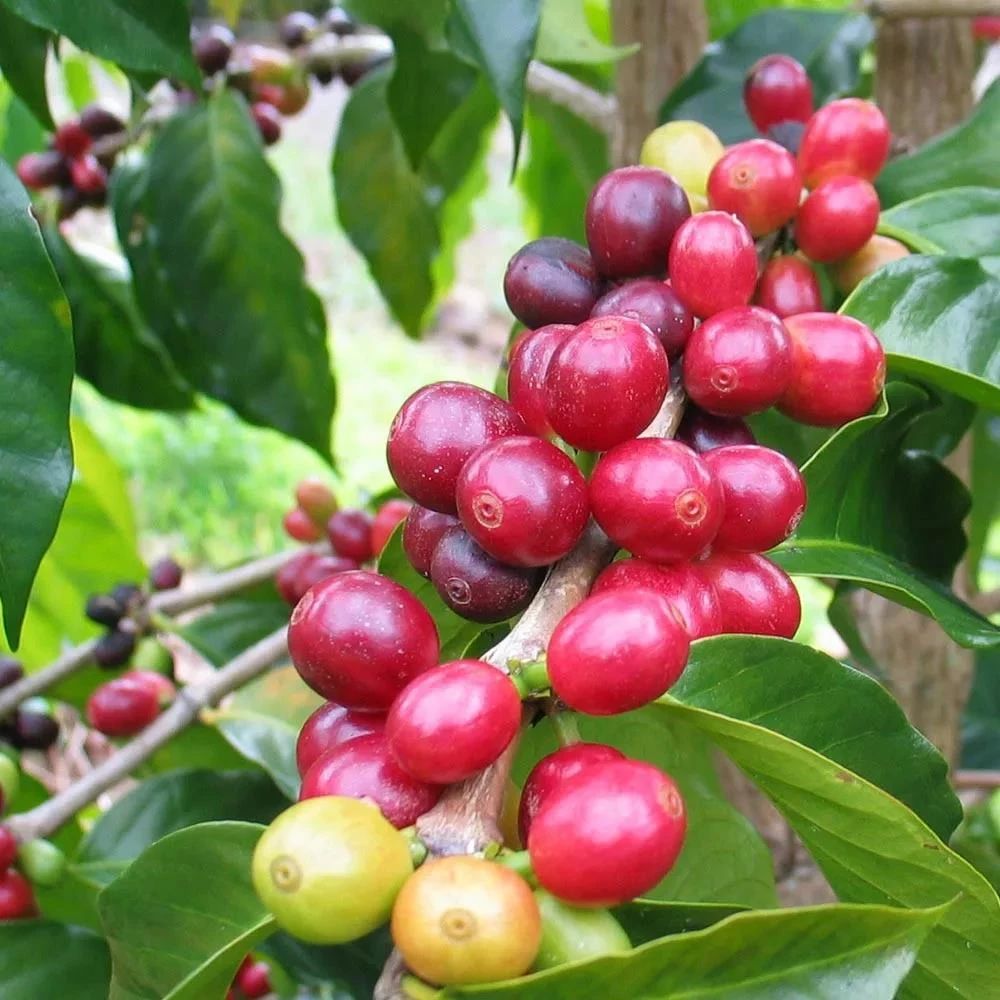
Typica: The Oldest Representative of Arabica
Typica is regarded as one of the most original Arabica varieties and is considered the ancestor of many modern cultivars. Its plants have a tall, conical shape with straight trunks that can reach up to 5 meters in height. The leaves are long and slender with smooth edges, and mature coffee cherries are a vibrant bright red. The coffee beans produced by this variety are oval or elongated in shape, with a distinctly S-shaped central groove.
Typica is renowned for its elegant acidity and delicate mouthfeel, often achieving high cupping scores. However, it is susceptible to diseases and yields relatively low, making cultivation more risky. Classic producing regions include Jamaica Blue Mountain, Sumatra Mandheling, and Hawaii Kona, where top-tier estate beans are often based on Typica.
Bourbon: The Classic Evolution of Round Beans
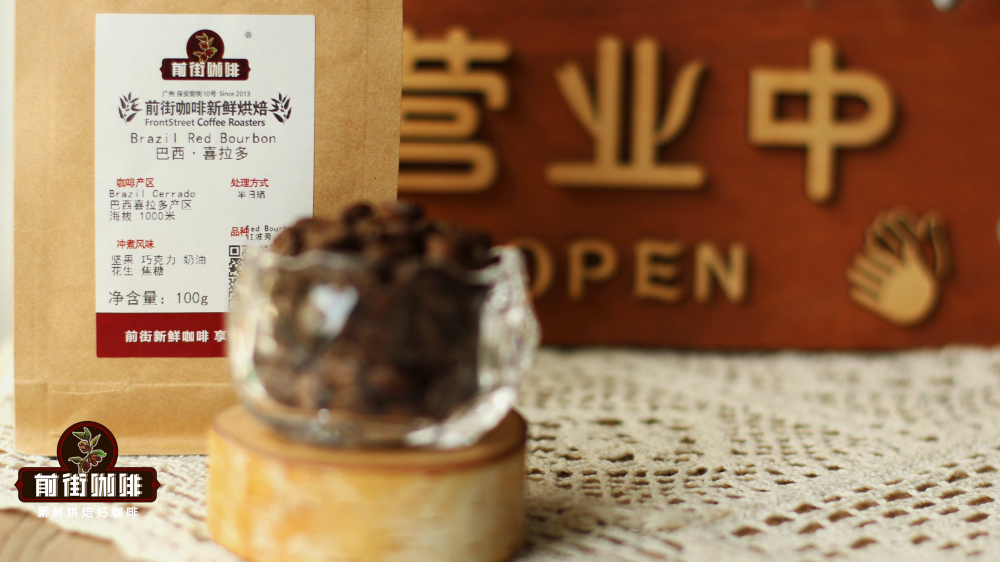
Bourbon is a natural mutation of Typica that occurred in Yemen. Its most notable difference lies in the bean shape transitioning from the original slender and pointed form to a rounder one. The plants are also more branched, with broader leaves and wavy edges. Bourbon coffee cherries can ripen into red, orange, or yellow, with consistent coloration across the same tree. This variety is hardier than Typica, yielding about 30% more, and is a key variety in many Central and South American specialty coffee regions, such as Brazil, Colombia, and Guatemala.
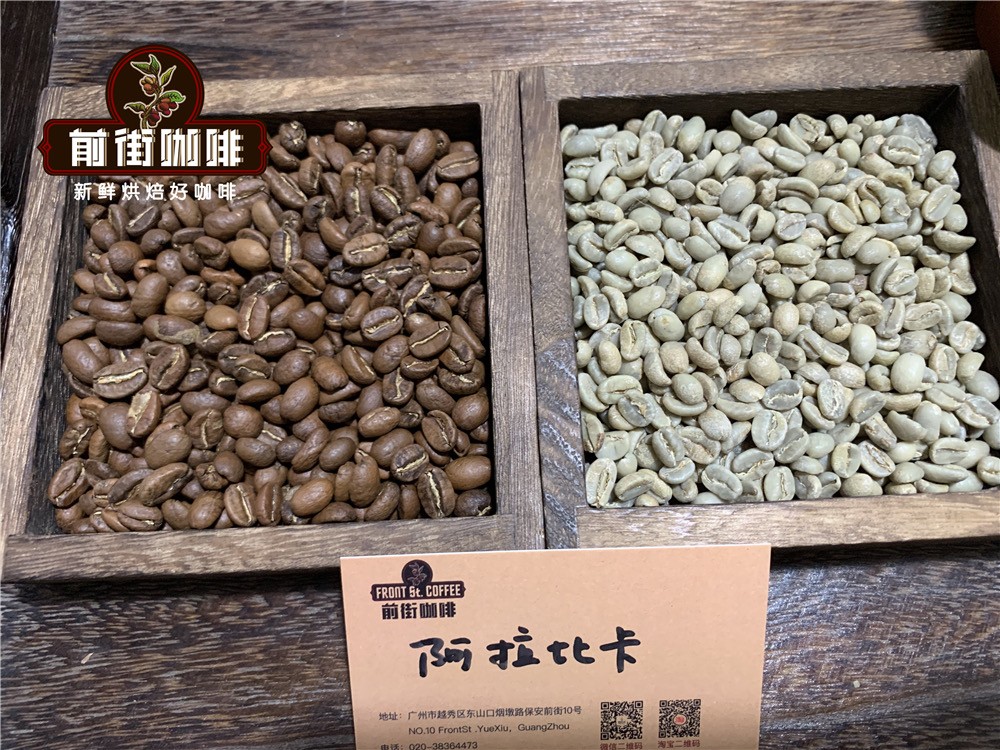
Caturra and Catuai: Representatives of High Yield and Compact Plants
Caturra is a natural mutation of Bourbon, discovered in Brazil in 1937. It features noticeably shorter plants, making it suitable for high-density planting, though it remains relatively low in disease resistance. Though not widely planted in Brazil, this variety is highly popular in Colombia, Costa Rica, and Nicaragua. It produces smaller, oval-shaped beans with clear and layered cupping flavors.
Catuai is a crossbreed between Caturra and Mundo Novo (a hybrid of Bourbon and Sumatra Typica). Its beans are slightly oval and flattened with slightly pointed tips. It demonstrates good stability and yield performance and is commonly found in most Central and South American producing regions. It is often interplanted with Caturra, resulting in diverse bean shapes.
Pacas and Kenyan Varieties: Representatives of High Yield and Unique Flavors
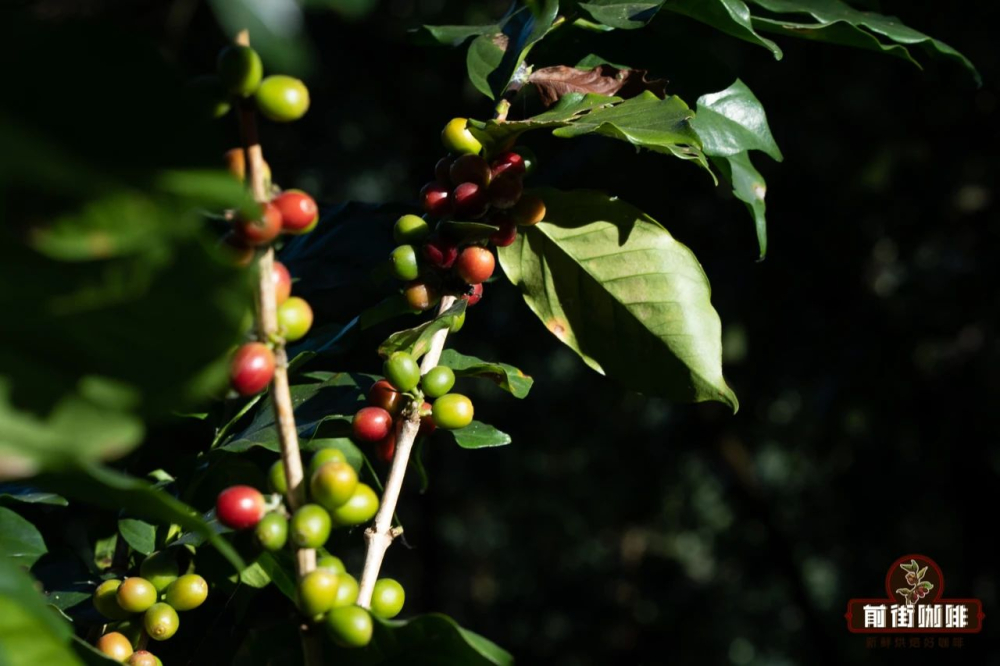
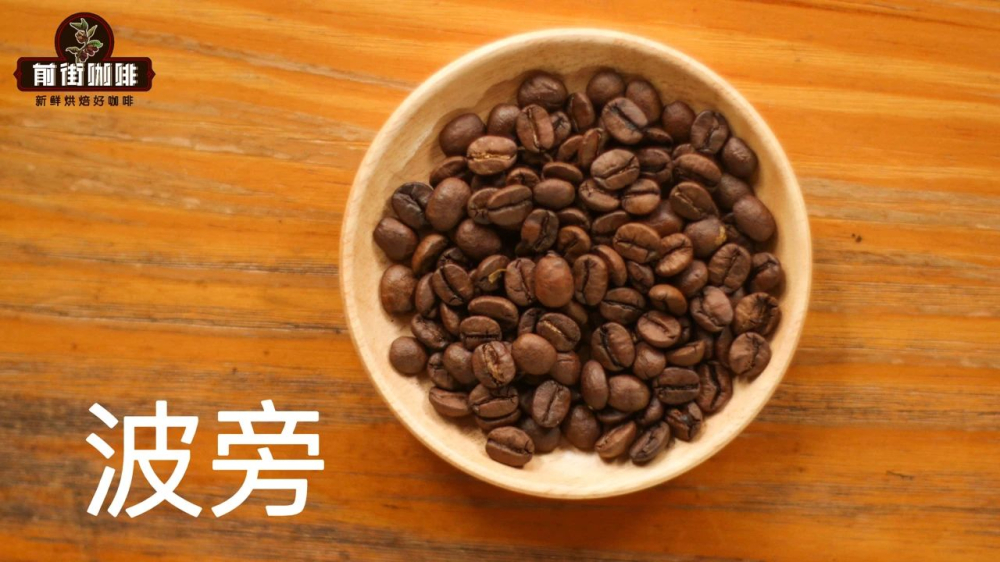
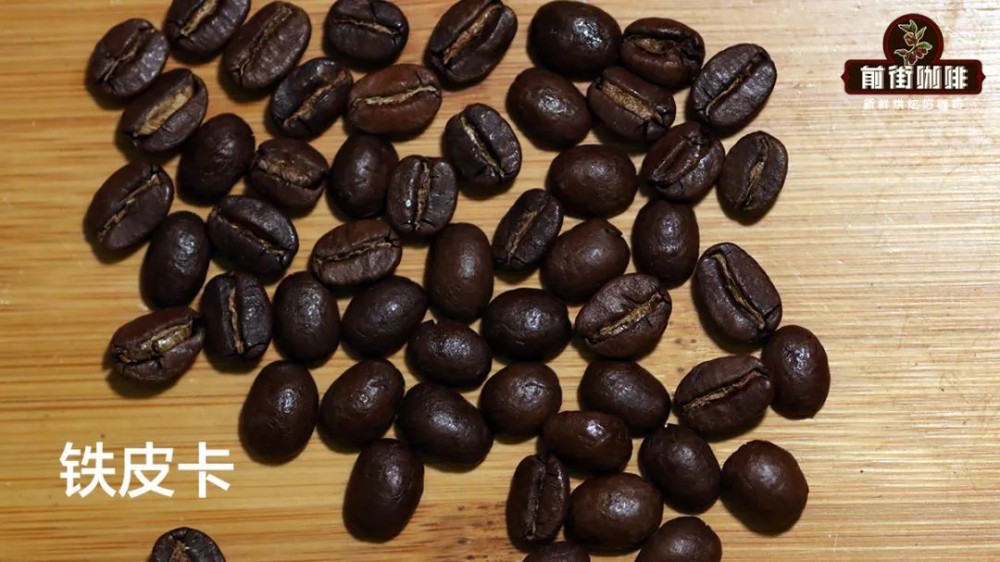
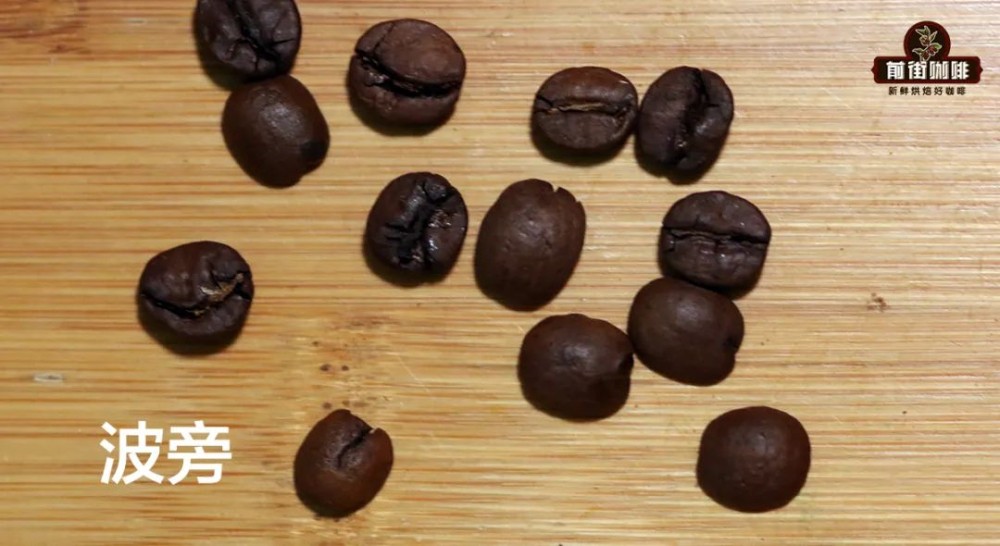
Pacas is a Bourbon mutation discovered by farmers in El Salvador. Due to its excellent yield and stable flavor, it has become an important cultivar in Central America, now accounting for nearly 30% of the country’s coffee varieties. Additionally, Kenya’s famous SL28 and SL34 are mutations of Bourbon. Their strong adaptability to the local phosphate-rich soils results in unique plum-like acidity and citrus notes, often regarded as benchmarks of high-acidity specialty coffee.
 ,
 ,
Geisha: The Star Variety of Cupping Competitions
Geisha is one of the most celebrated specialty coffee varieties. Its beans are slender with pointed ends and a plump middle, resembling a sausage bun in appearance. The plants are tall with top branches extending at 45 to 50 degrees, and both the leaves and cherries are elongated. The tree structure resembles Typica but with wider branch spacing. Panamanian Geisha is renowned for its complex aromas of citrus, jasmine, and honey, and it has been a frequent award winner in multiple COE competitions.
It’s worth noting that Ethiopian Geisha varieties are often traced and selected later, such as Gori Geisha and Geisha 1931, identified through morphological observation and cupping rather than genetic verification. As a result, their bean shapes may vary slightly, but they retain distinct flavor characteristics, such as citrusy sweetness and floral notes.
Elephant Beans and Other Special Varieties
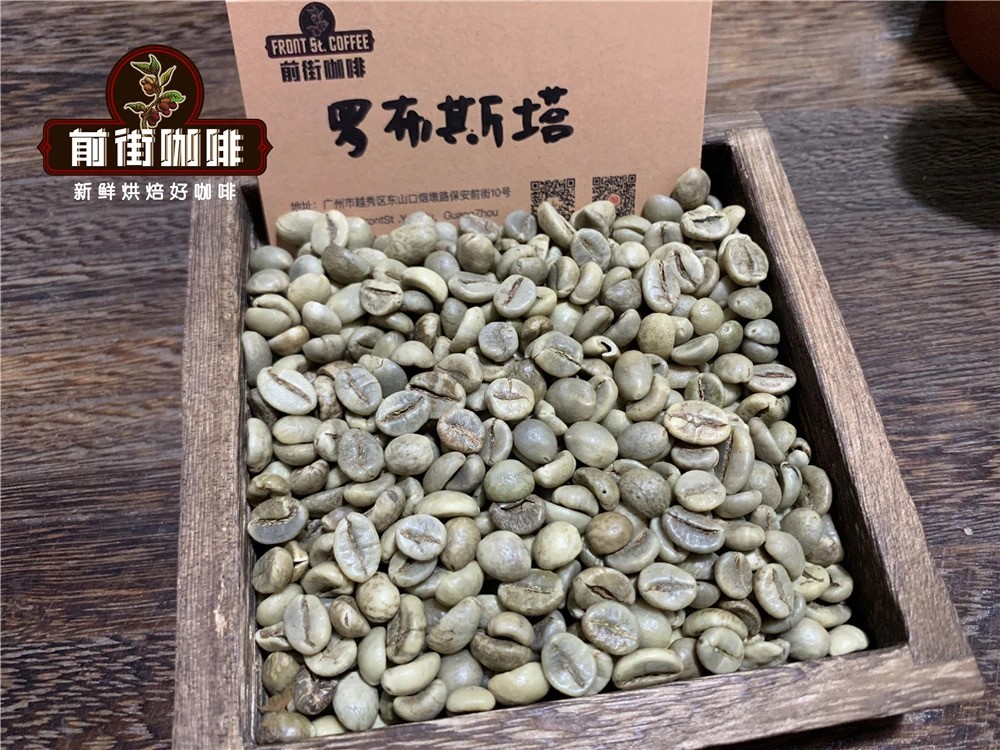
Elephant Bean (Maragogype) is a famous mutation of Typica, known for its exceptionally large bean size—about three times that of a typical Arabica. It was first discovered in Brazil in 1870. Additionally, Villa Sarchi is a Bourbon mutation discovered in Costa Rica in the 1960s, featuring shorter but sturdy plants, and is also an important variety in some regions.
Brewing and Storage Recommendations
To fully experience the unique flavors of different varieties, it’s recommended to choose freshly roasted coffee beans within five days of roasting. New beans usually require a 4 to 7-day degassing period to achieve optimal flavor balance. If purchasing pre-ground coffee, it’s advisable to use it promptly to prevent oxidation from affecting the flavor. For the best extraction results, opt for whole beans and grind them yourself just before brewing to preserve maximum aroma and complexity.
 ,
The above content is compiled by CoffeeHunters, a coffee news website.


